
Japan Trip 2026
After visiting Japan in 2019, I had a strong urge to go back and enjoy the culture and local food again. I was able to convince a close friend, Max, to join me on a shorter 12-day trip. This time we wanted to visit Tokyo and Osaka.
Planning a trip to Japan
I created an AI assistant using OpenClaw to help us with our travel planning. We texted it over WhatsApp and saved possible restaurants and activities into a Google Sheet. This gave us a high-level overview of what we wanted to do, so we could land in Japan with a plan and make the best of our short trip.
On my last visit I was solo traveling, which is a great thing to do in Japan. But eating out at high-end restaurants is much more suited for two people, it’s just better when you can share the food and the experience.
Japan is full of Michelin star rated restaurants. So we did some research and booked reservations well in advance, so that once we were there we could try some of the best food available.
Travel Route
The travel route was pretty straightforward. We flew from Zurich to Tokyo, spent a few days there, then took the Shinkansen train to Osaka, spent three days there (over the weekend), and then took the Shinkansen back to Tokyo for four more days before flying back to Zurich.
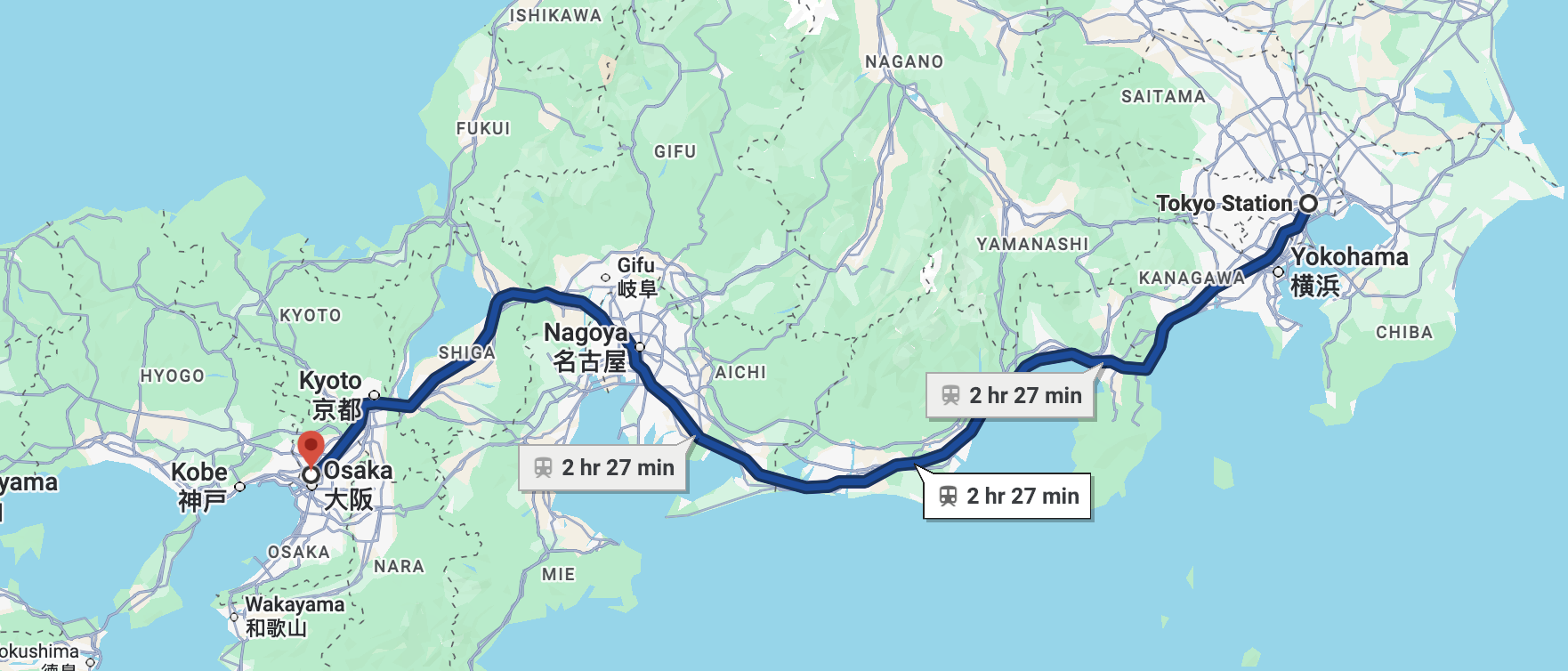
The Shinkansen is a very convenient way to travel between cities in Japan. The train ride from Tokyo to Osaka only takes around 2 hours and 30 minutes. The train is a high-speed train that goes around 280 km/h, so it’s a very efficient way to travel between cities.
Flight Zurich Tokyo
We looked at flight prices and decided to go with Qatar Airways, which has a great business class and service. It also offers Starlink internet, which I had always wanted to try. We booked our flights with a layover in Doha, resulting in a total travel time of around 18 hours from Zurich to Tokyo.
But then the Iran war started, and we weren’t sure if our travel plans would be affected. I quickly searched for alternative routes and found a Swiss direct flight from Zurich to Tokyo. It was much more expensive than what we had booked, which is why we didn’t go with it in the first place.
Luckily, I was able to book the Swiss flight with free cancellation for the same dates, so we could keep it as a backup and decide later which route to take. And then it turned out Qatar actually canceled our flights.
I was very relieved to have the backup. When I checked it again about two weeks before the trip, the price had already doubled. But since we had already booked, ours didn’t change.
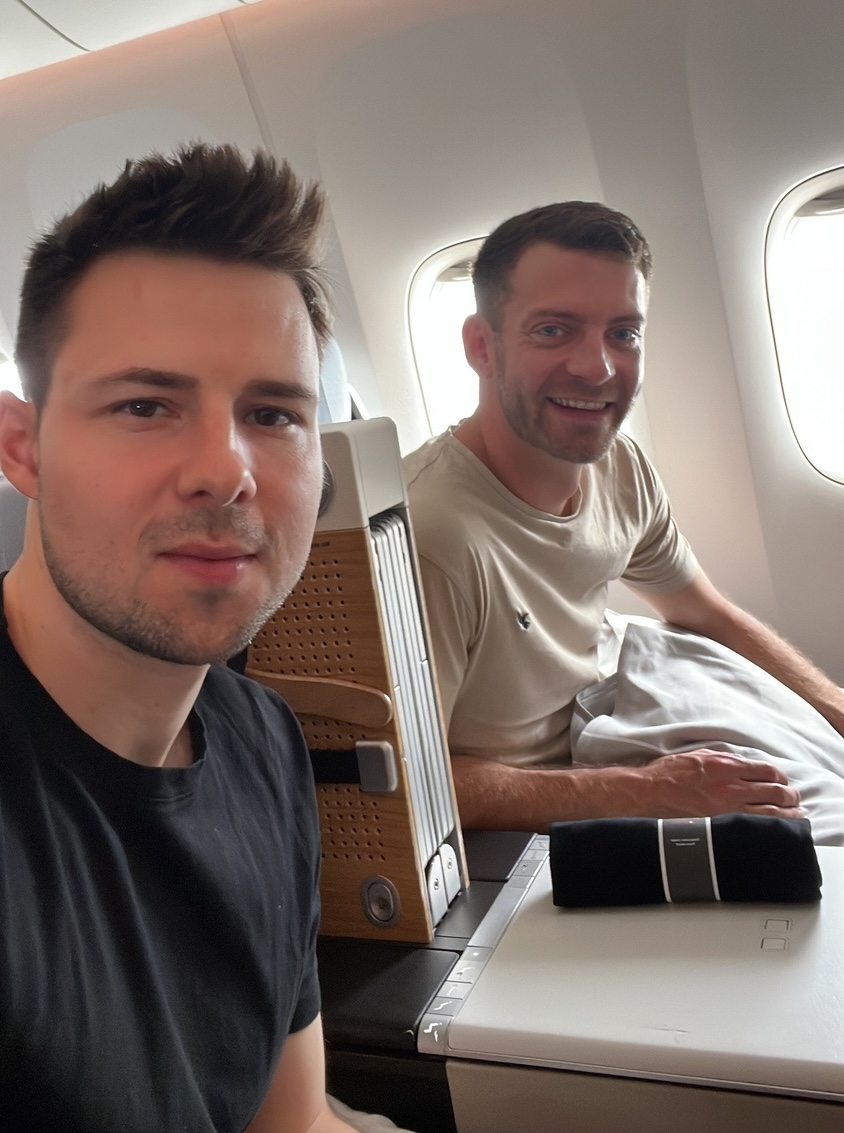
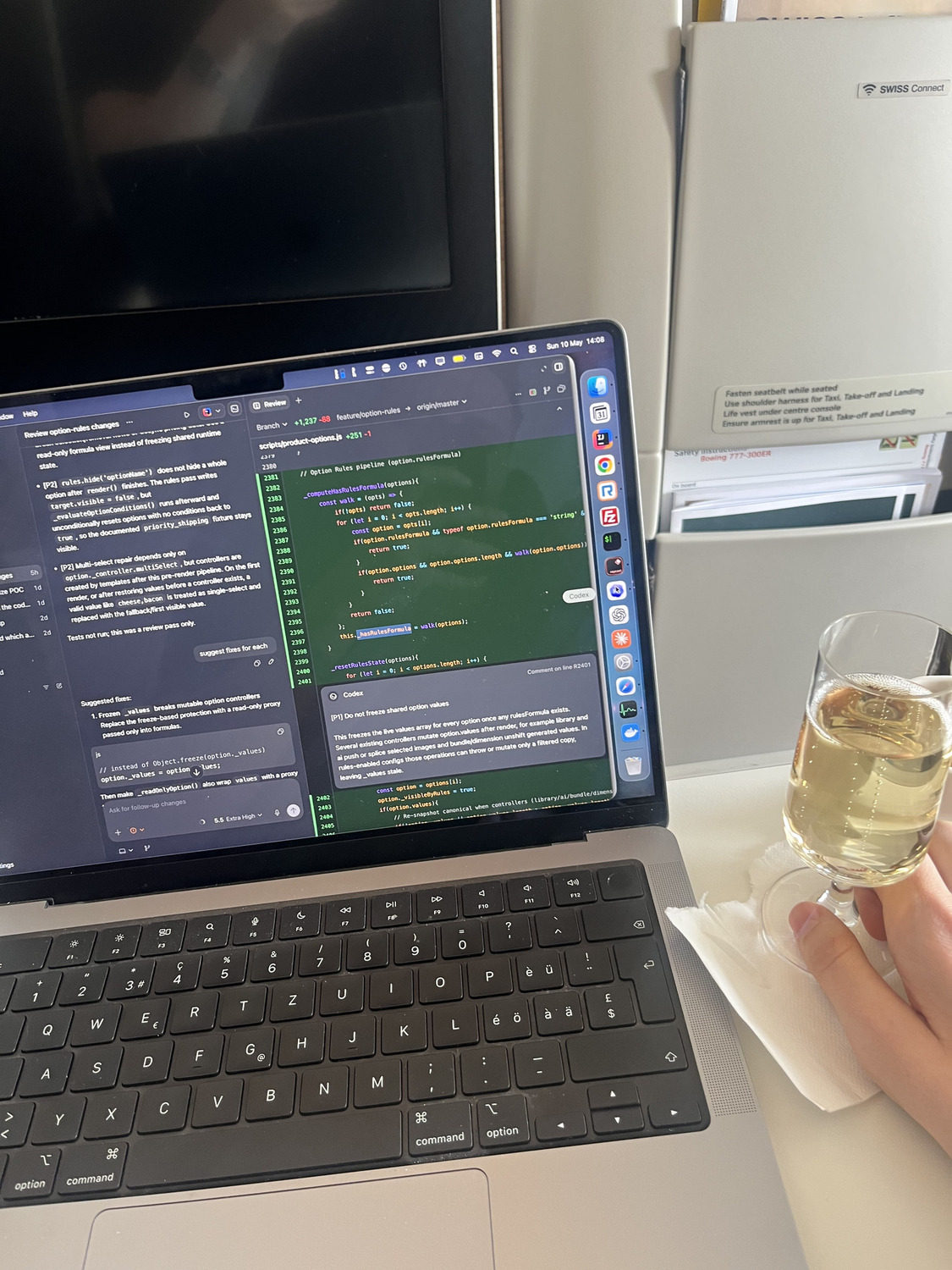
The Swiss business class is very average, but I was still able to sleep a little bit on the way there, which made it all worth it. The direct flight was also much faster, at just 12 and a half hours.
On the way there, I also paid for the Wi-Fi and was able to work for a couple of hours, which was a great experience. I’ve never had the option to be productive on an airplane before.
However, once we flew over what was most likely China, the satellite internet (which is not yet Starlink on Swiss) stopped working. In any case, the flight was bearable, the food was okay, and we landed on time.
Hotels
I booked hotels with the focus on the location as the primary deciding factor. In Japan, you always have to check the room sizes because the standard room sizes are way below the average room sizes in other cities.
Shibuya
Shibuya is the most touristy part of Tokyo, where we started our trip. We stayed at the Hotel Indigo Tokyo Shibuya, it was a five-star hotel. It didn’t feel all that luxurious, but the location was definitely five stars.
Osaka
In Osaka, we stayed at the Cross Hotel Osaka. We also chose it based on the location, which was right in the tourist center above the Dotonbori area.
Ginza
Ginza is the high-end business district of Tokyo, full of brands, flagship stores, and high rises. What I really like about the area is that each building is very unique.
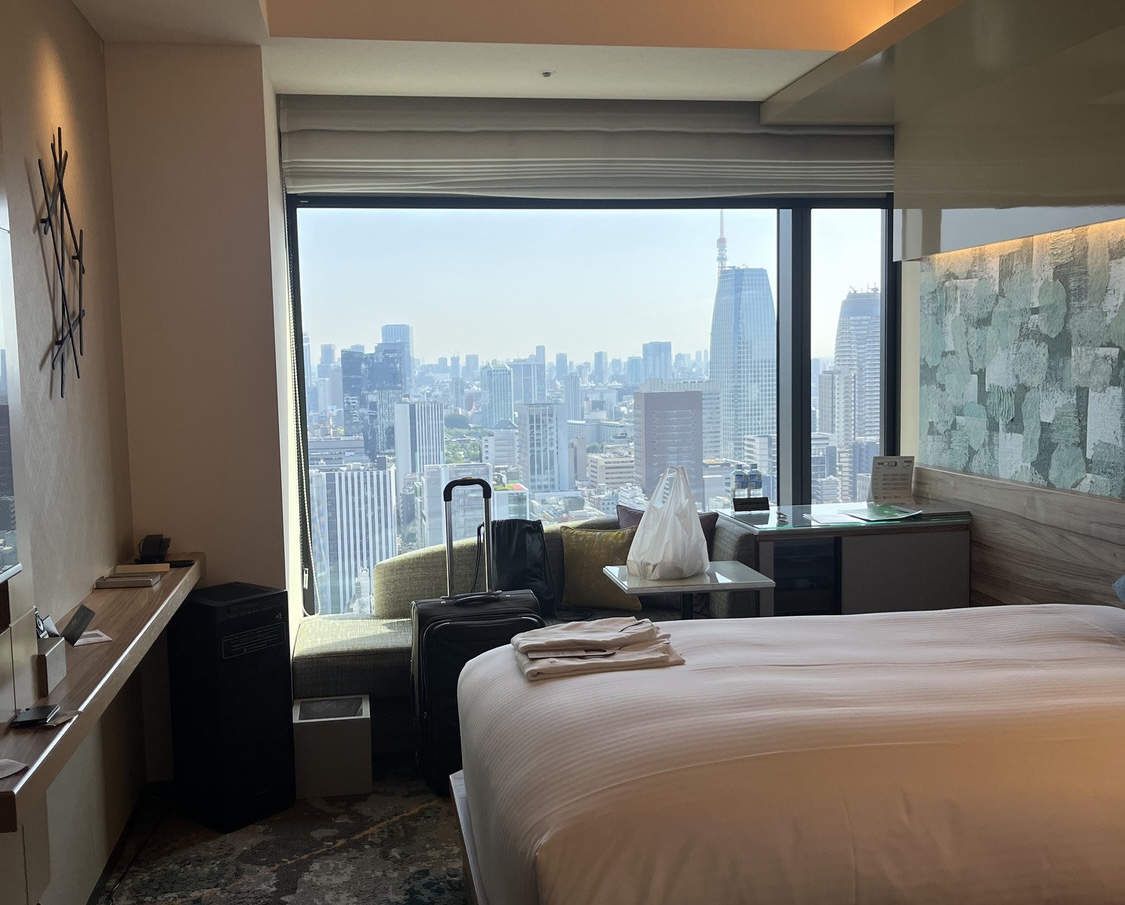
We stayed at The Blossom Hibiya very close to the Ginza area. All the hotel floors start at the 20th floor. We stayed on the 25th floor and had quite a nice city view out of our room.
Restaurants
One of the highlights of the trip was definitely eating at the omakase type restaurants, which basically means that you eat whatever the chef serves. It’s always a good idea to trust the experienced chefs.
Den Omakase
Tokyo Den is a two Michelin star restaurant in Tokyo, known for its playful and creative dishes.
My friend found this restaurant. It is only possible to book two months in advance, and if you want to get a seat, you have to personally call the restaurant and hope they pick up the phone.
It took me around three tries, three days in a row, calling them every morning at 5 p.m. Tokyo time. They do a short interview with you and then offer you a reservation.
We got a spot for our second day in Tokyo.
View the slideshow below to get an overview of the courses.
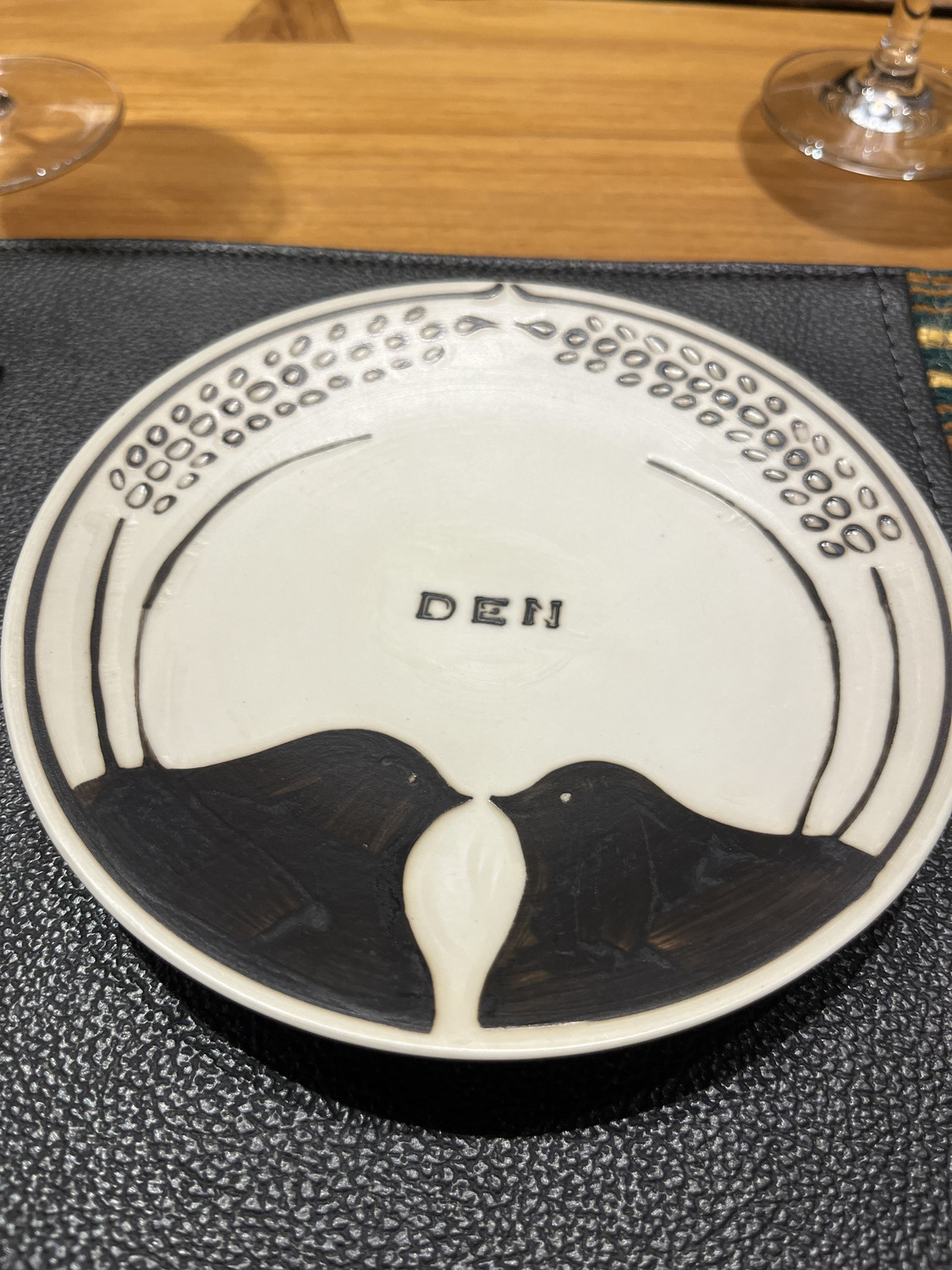
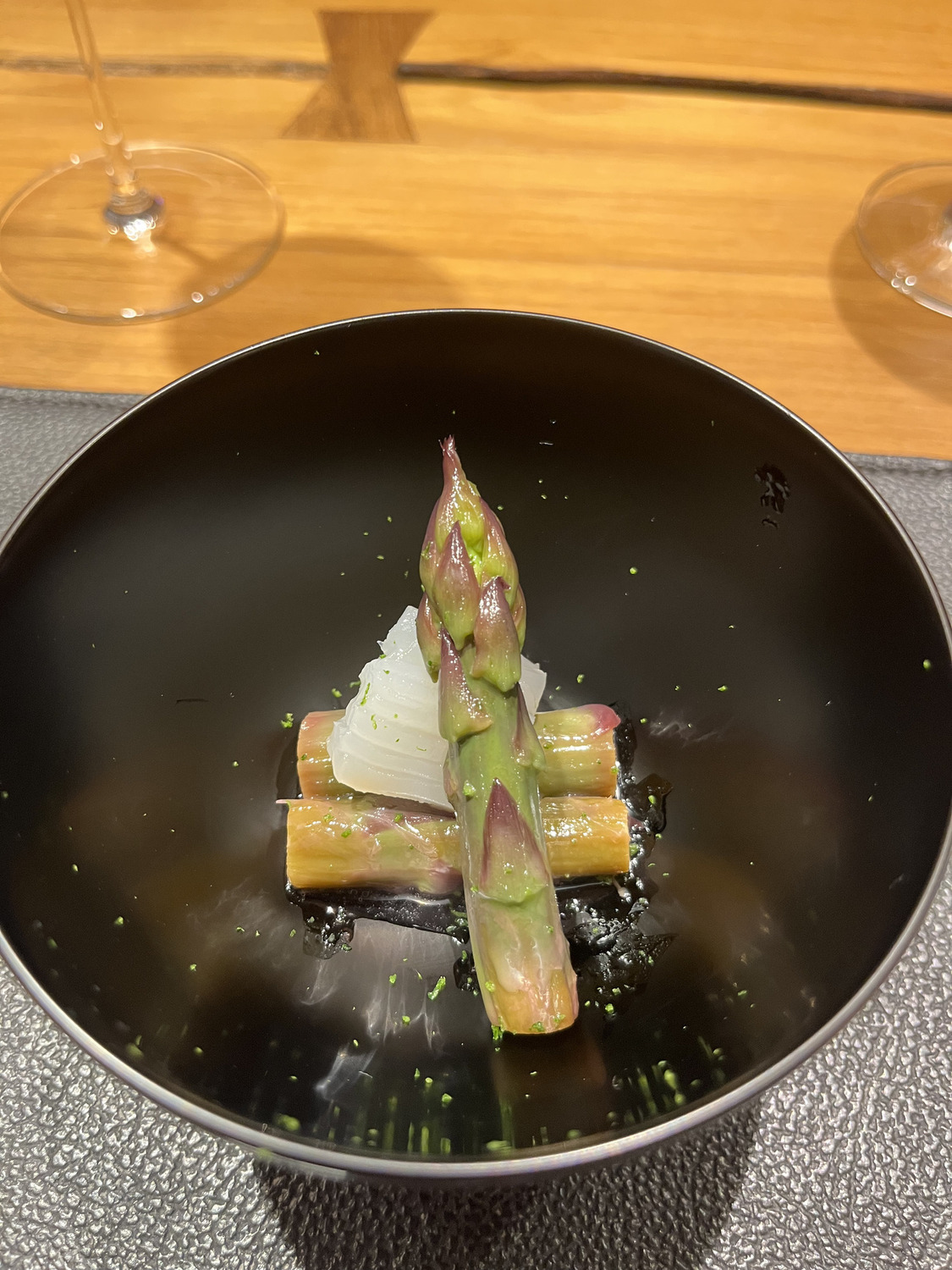
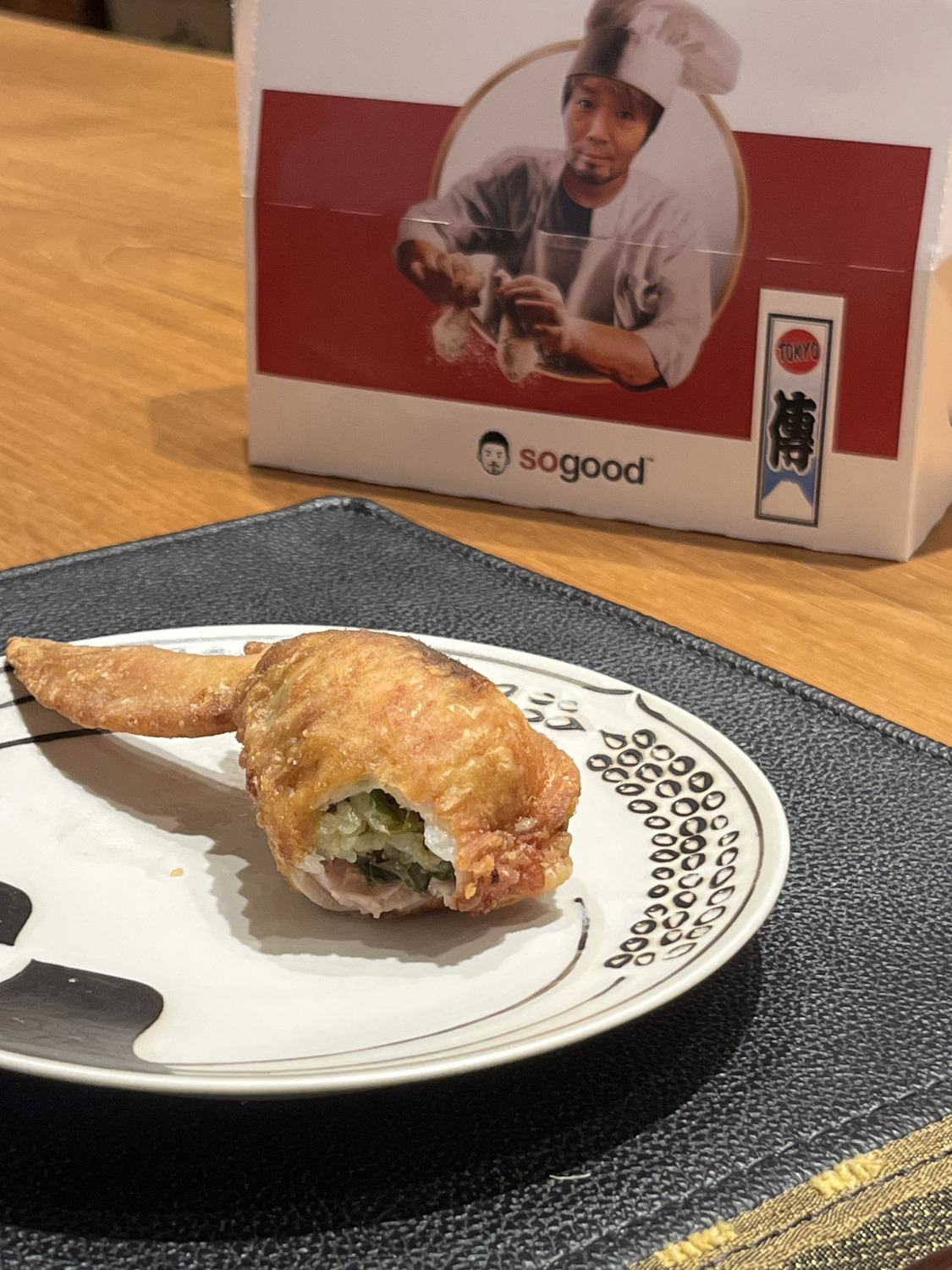
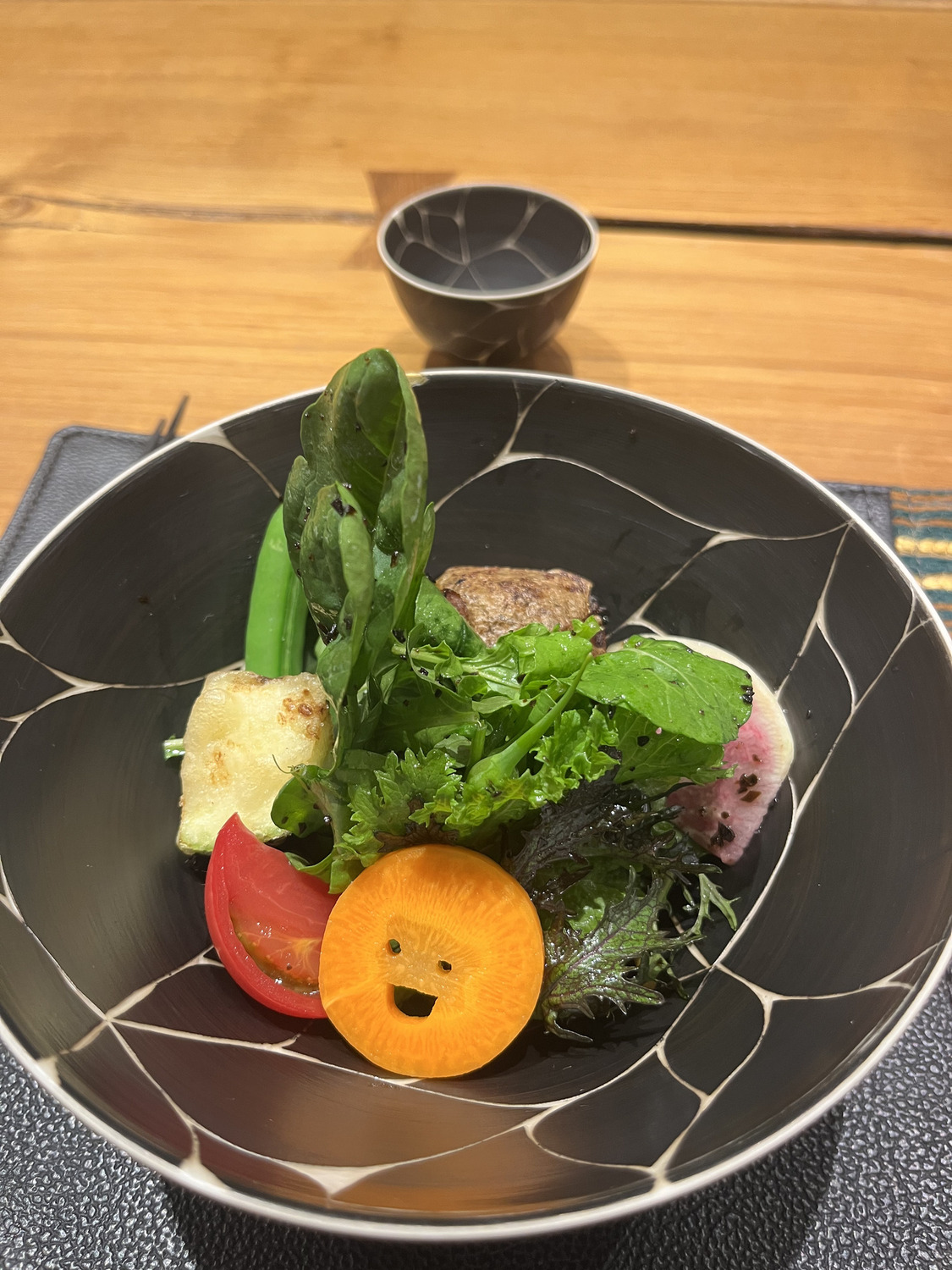
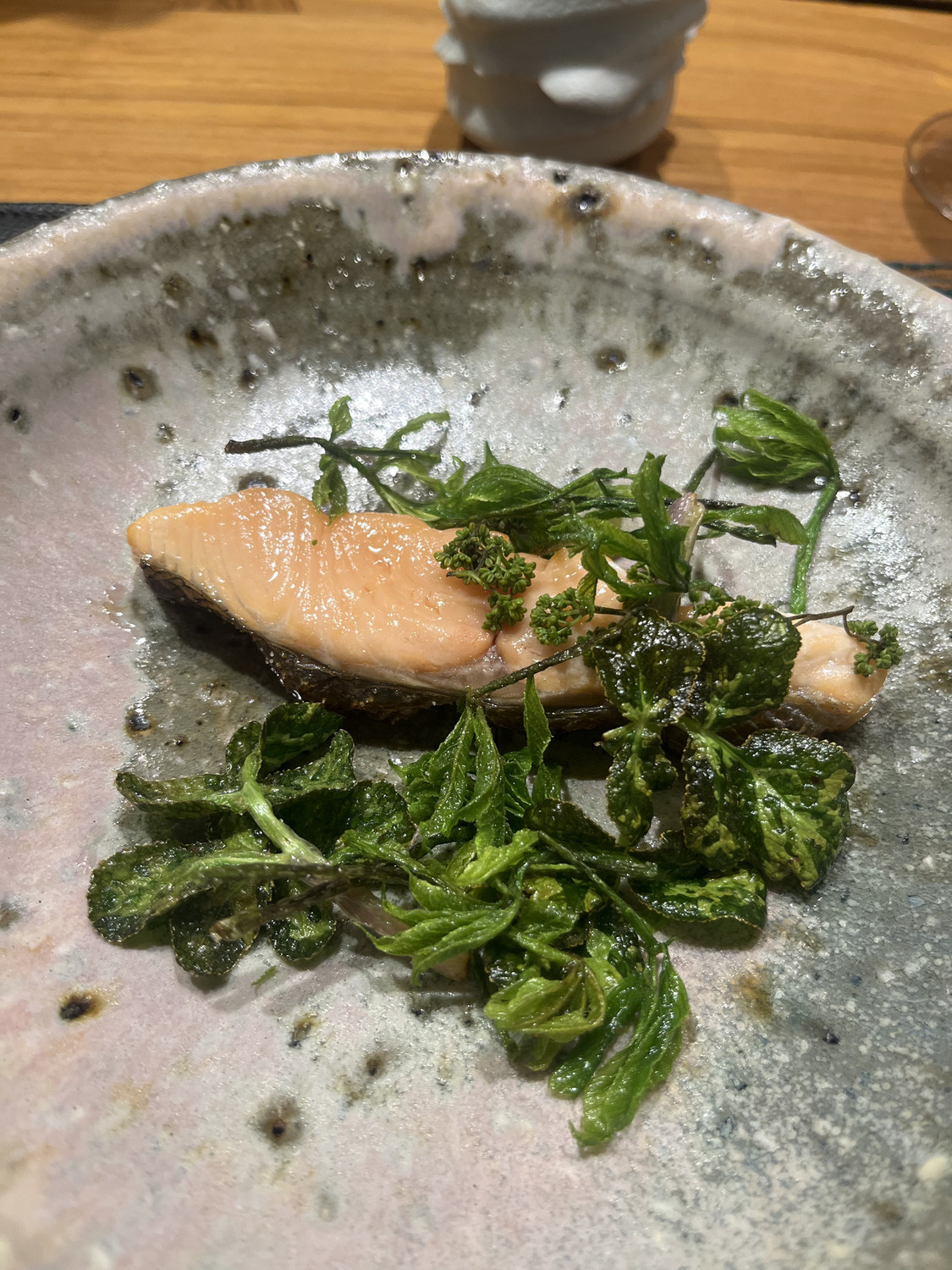
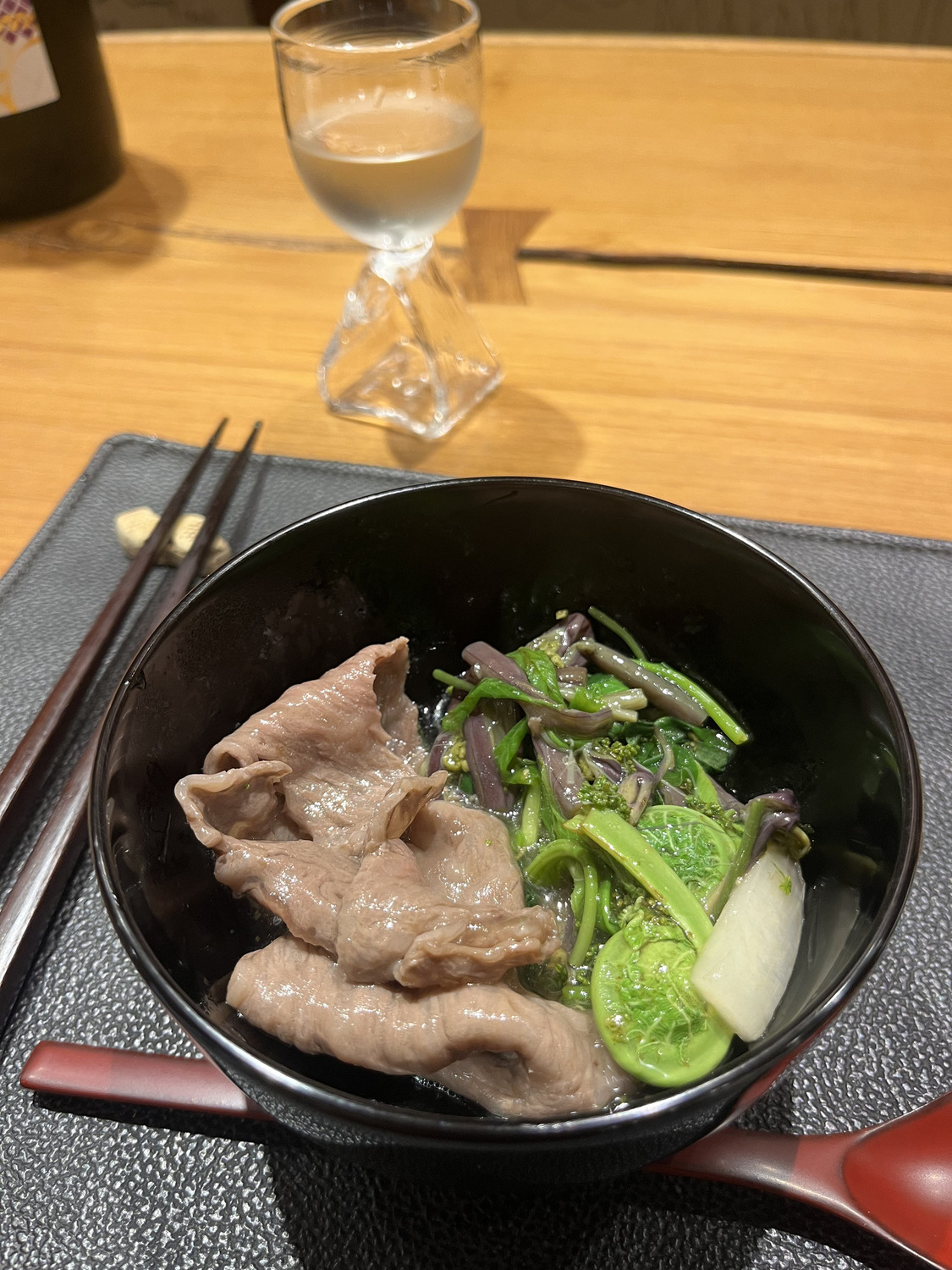
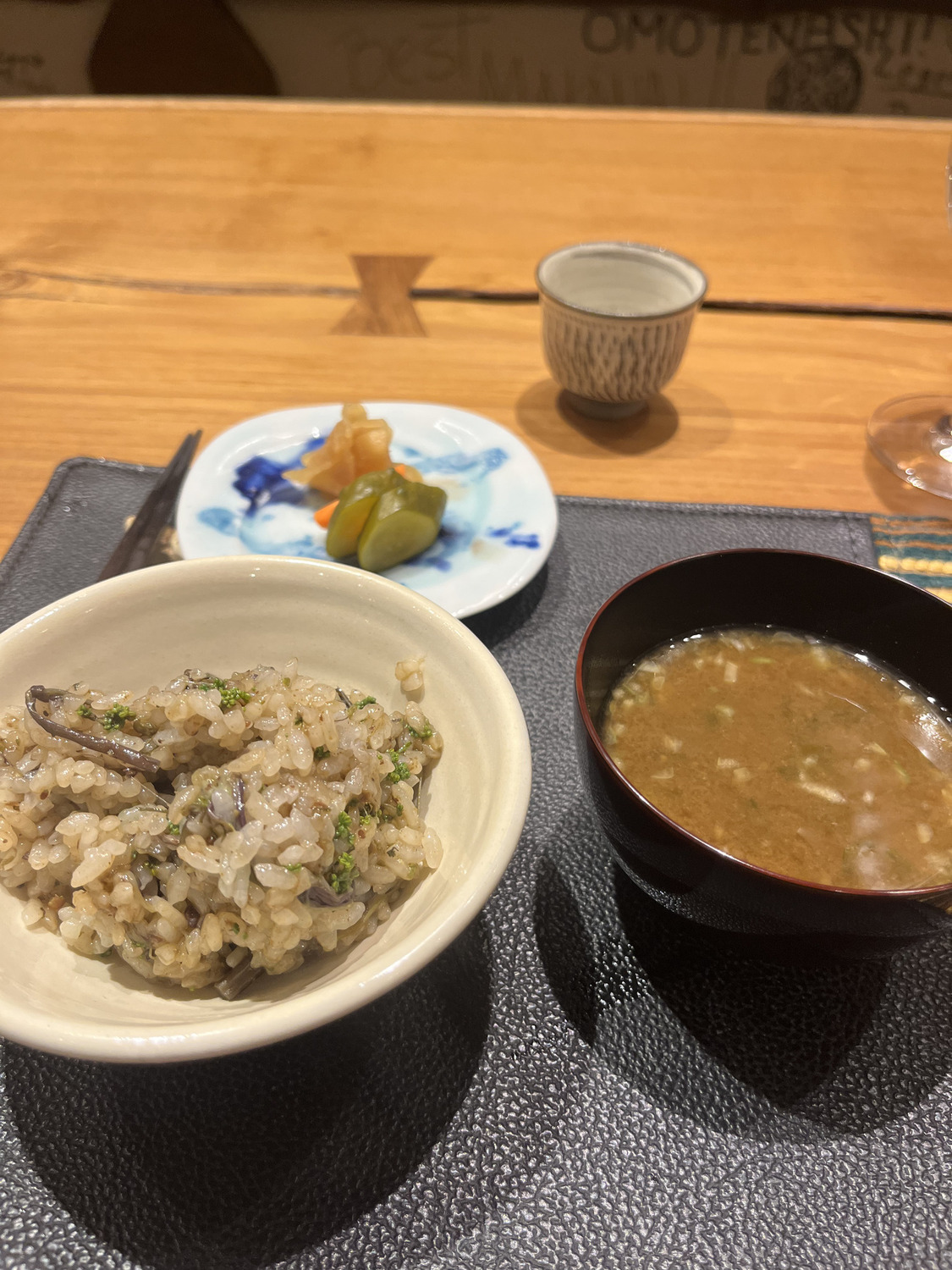
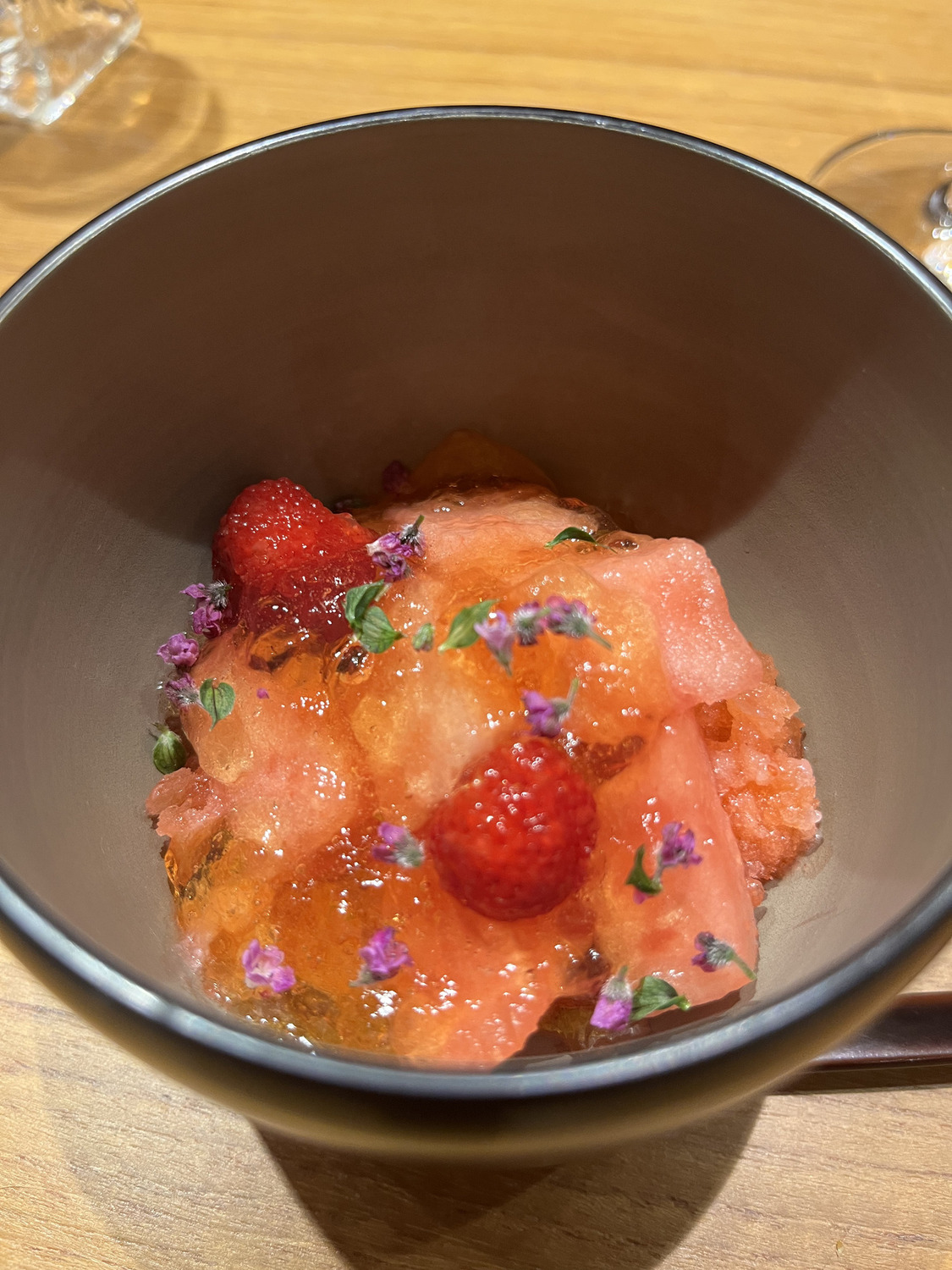
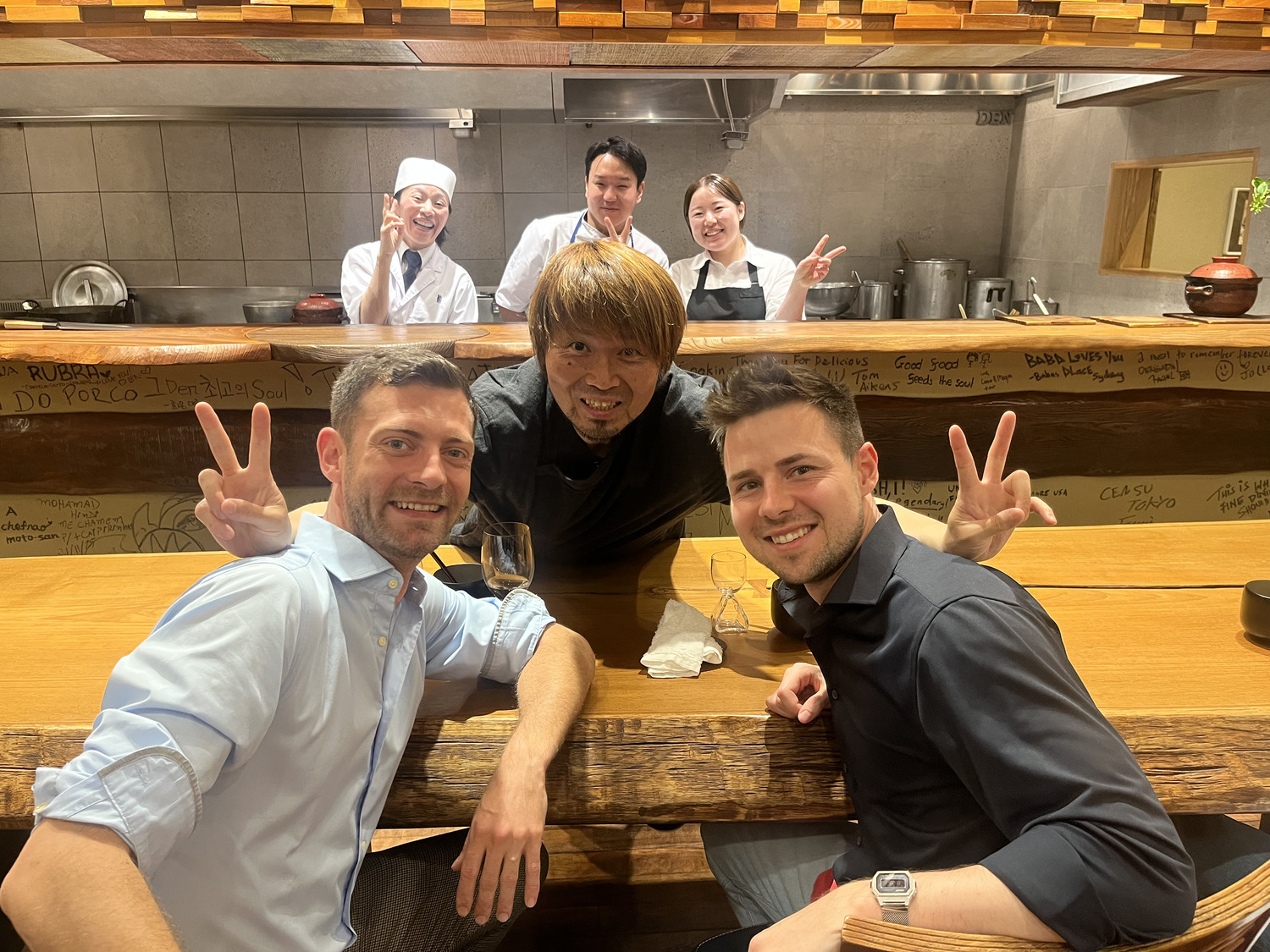
To me, the meal was certainly incredible but almost a little bit too complex for my taste buds.
Each dish also came with a different alcohol pairing, which was very nice, but I also left the restaurant quite drunk, and happy!
Sushi Sen Omakase
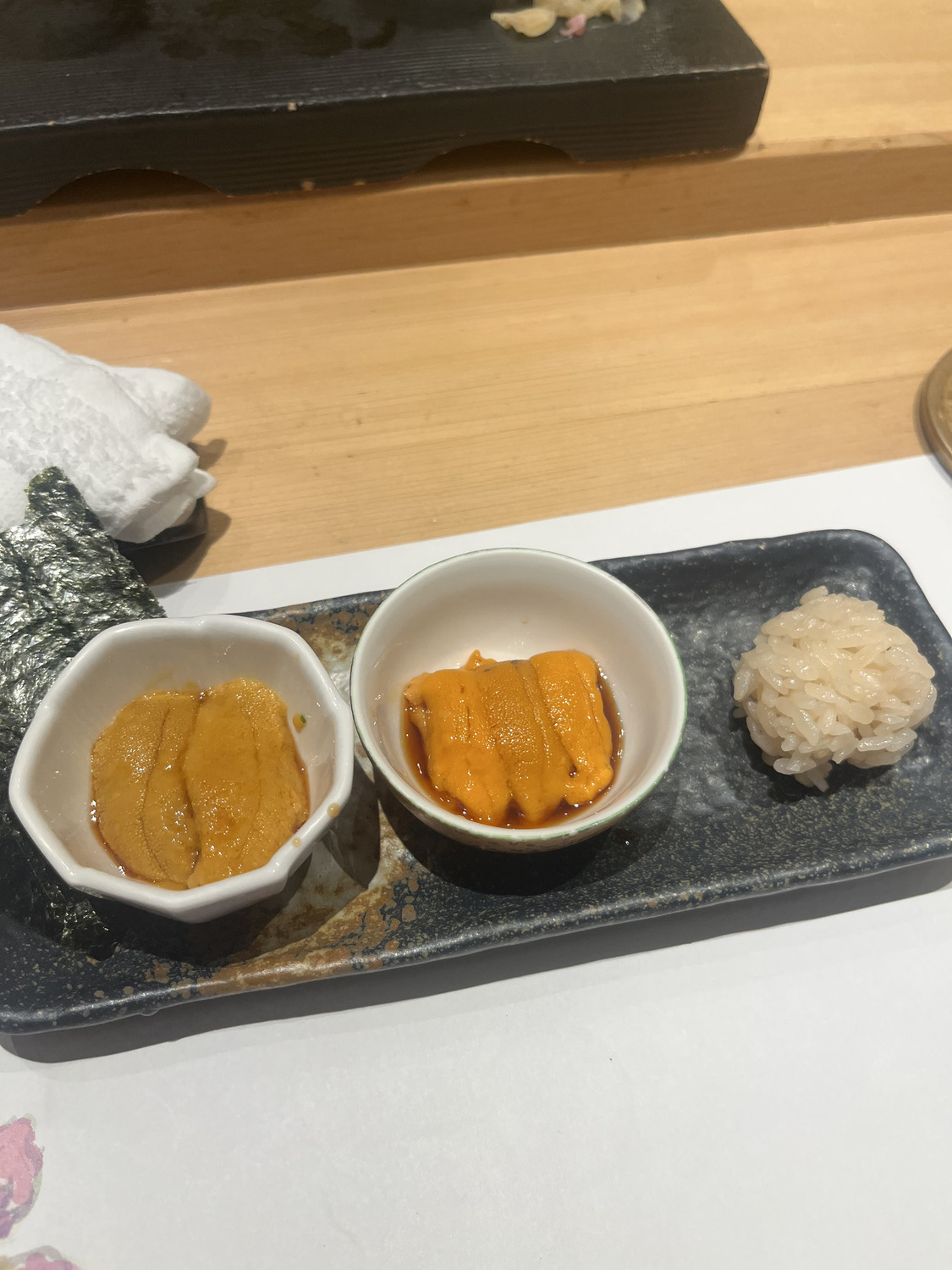
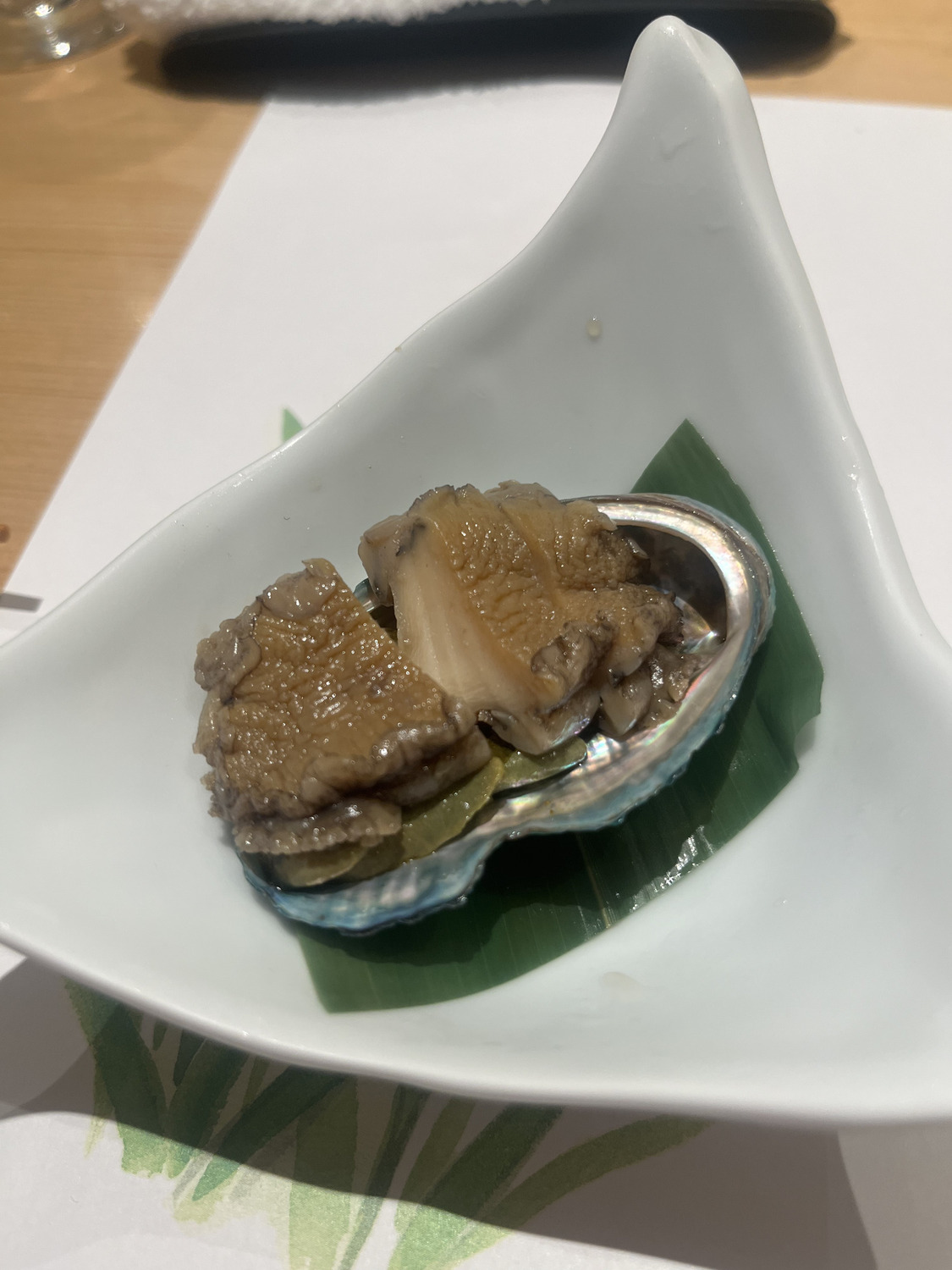
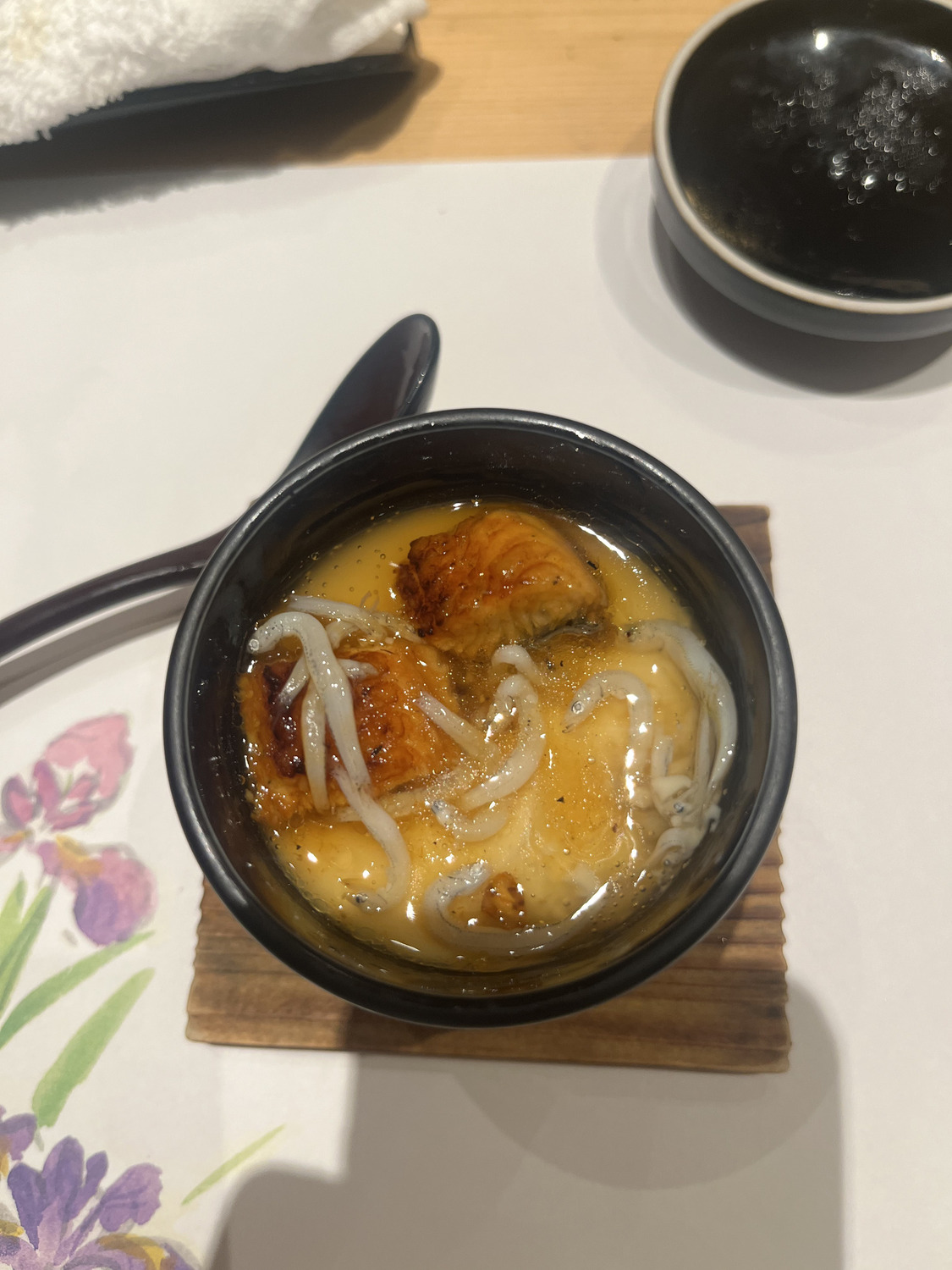
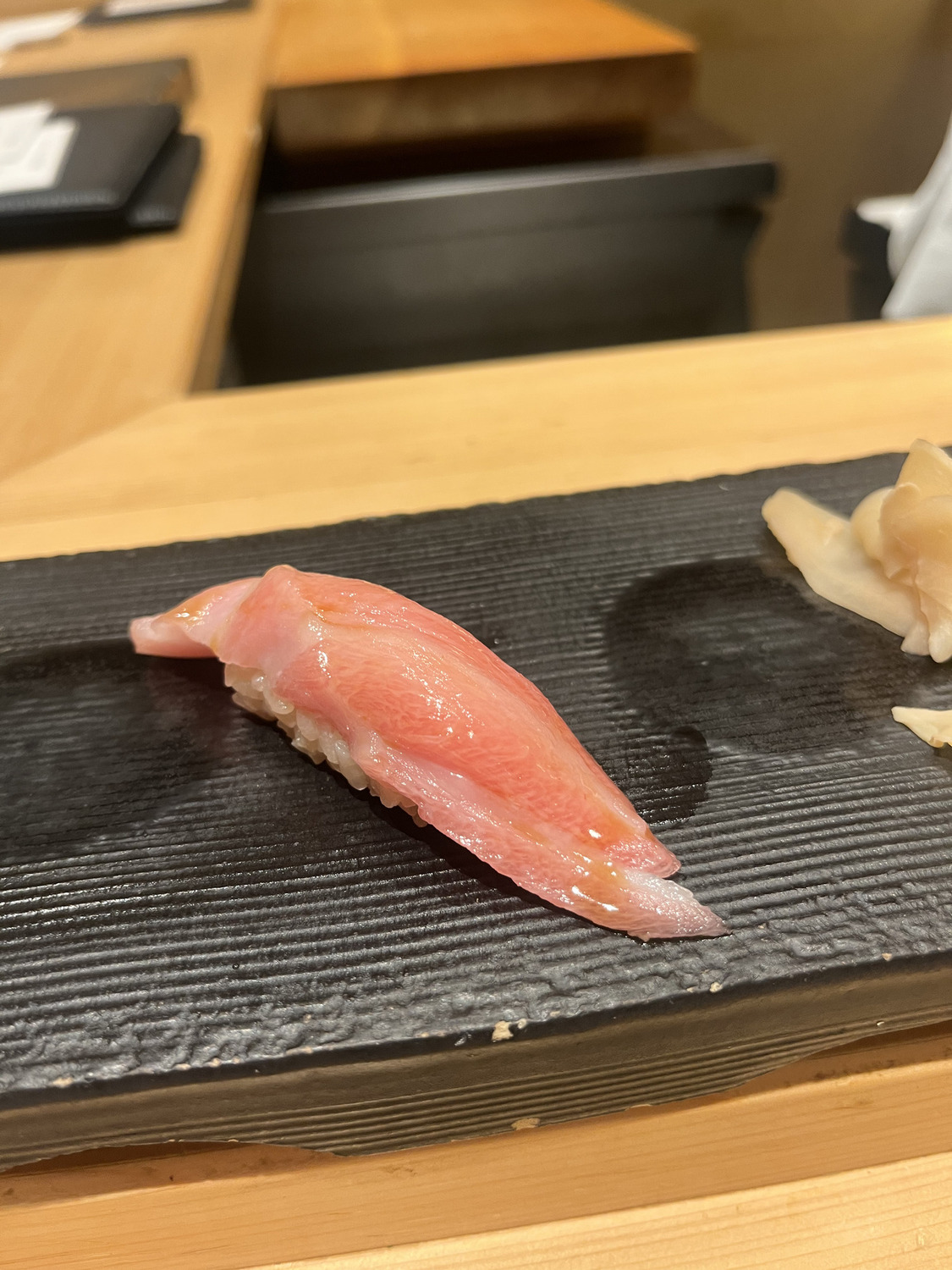
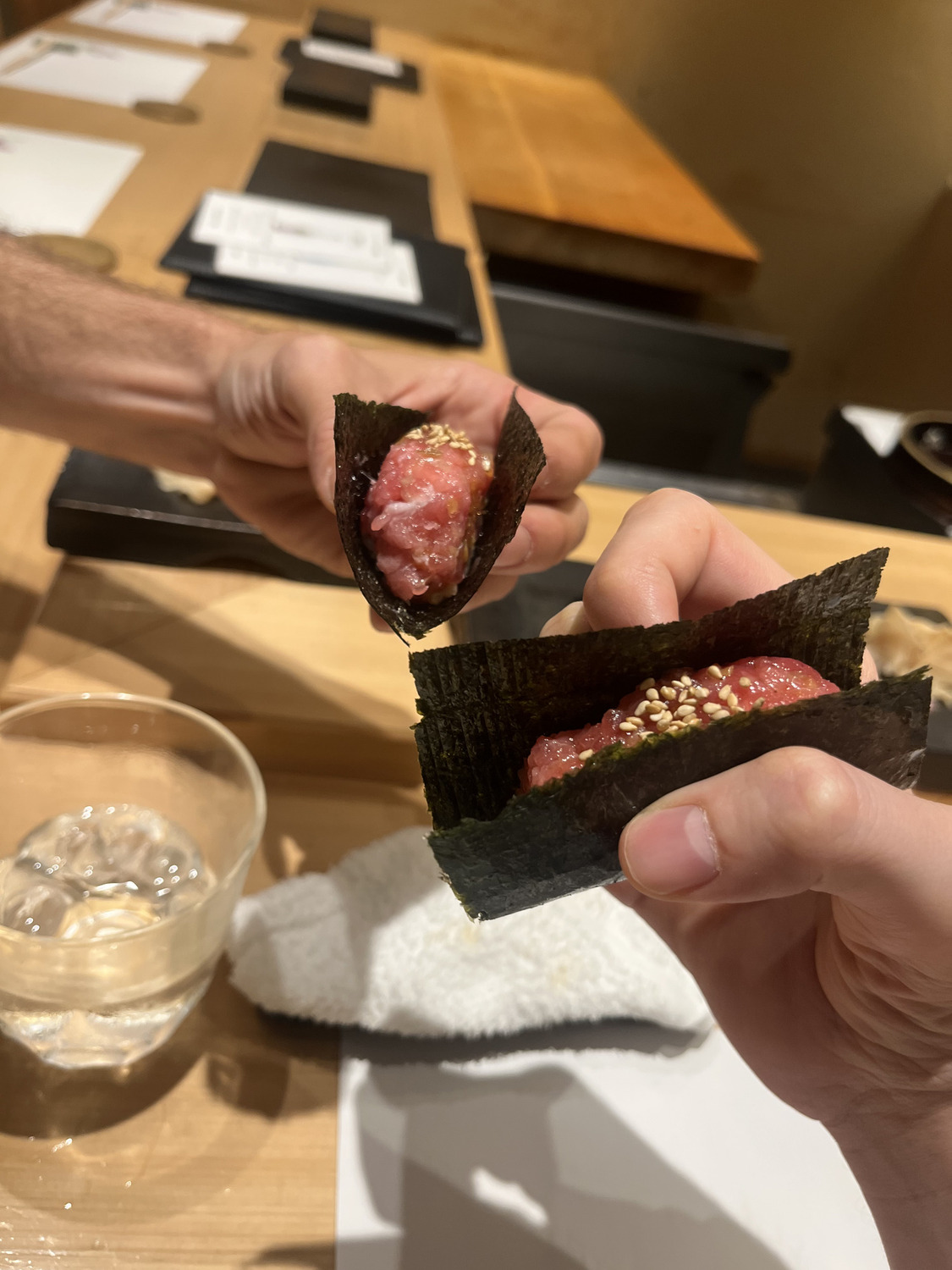
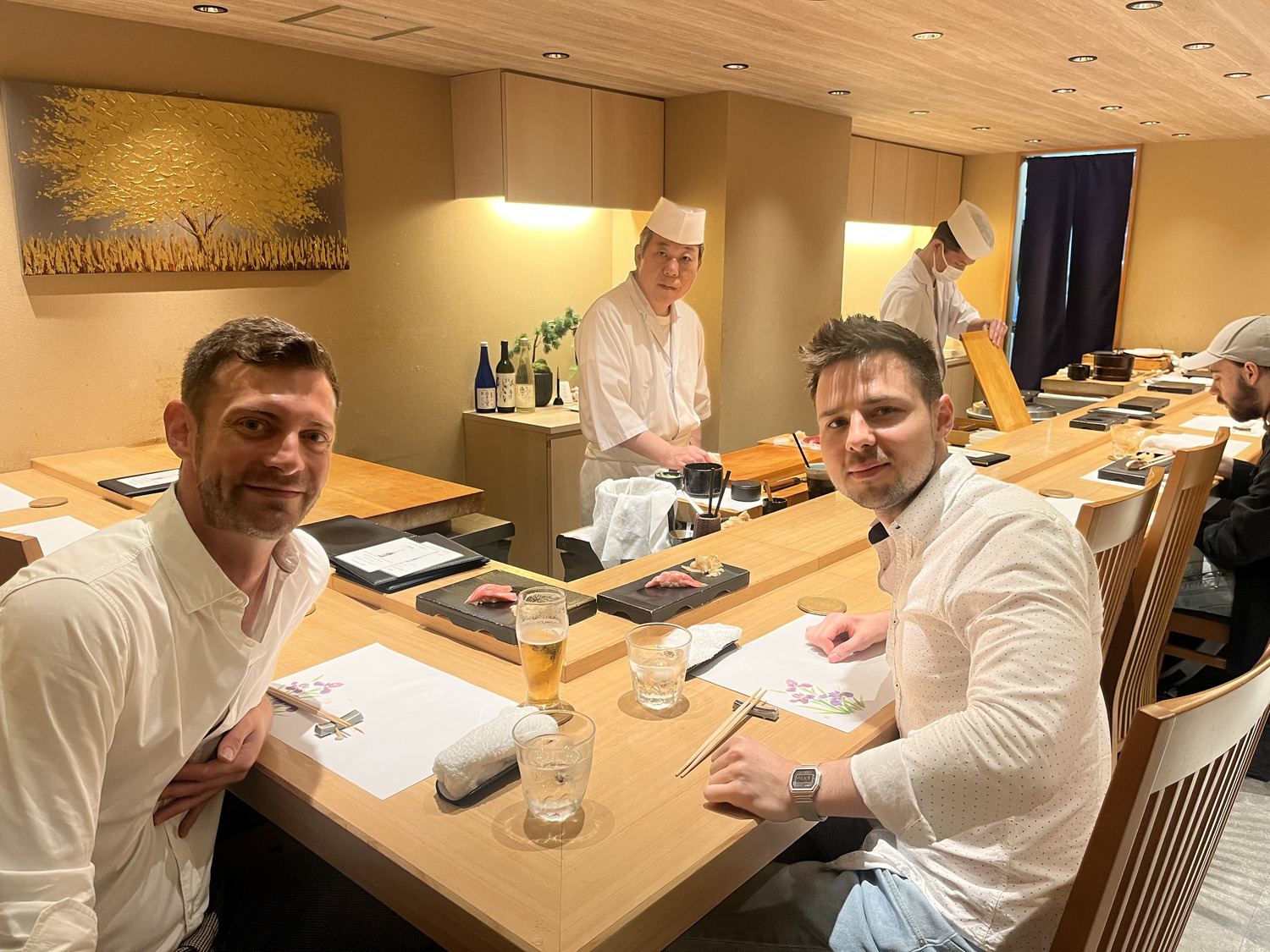
Shibuya Sushi Sen omakase. Very affordable at around 60 CHF per person, high quality sushi. The chef prepares the sushi right in front of you.
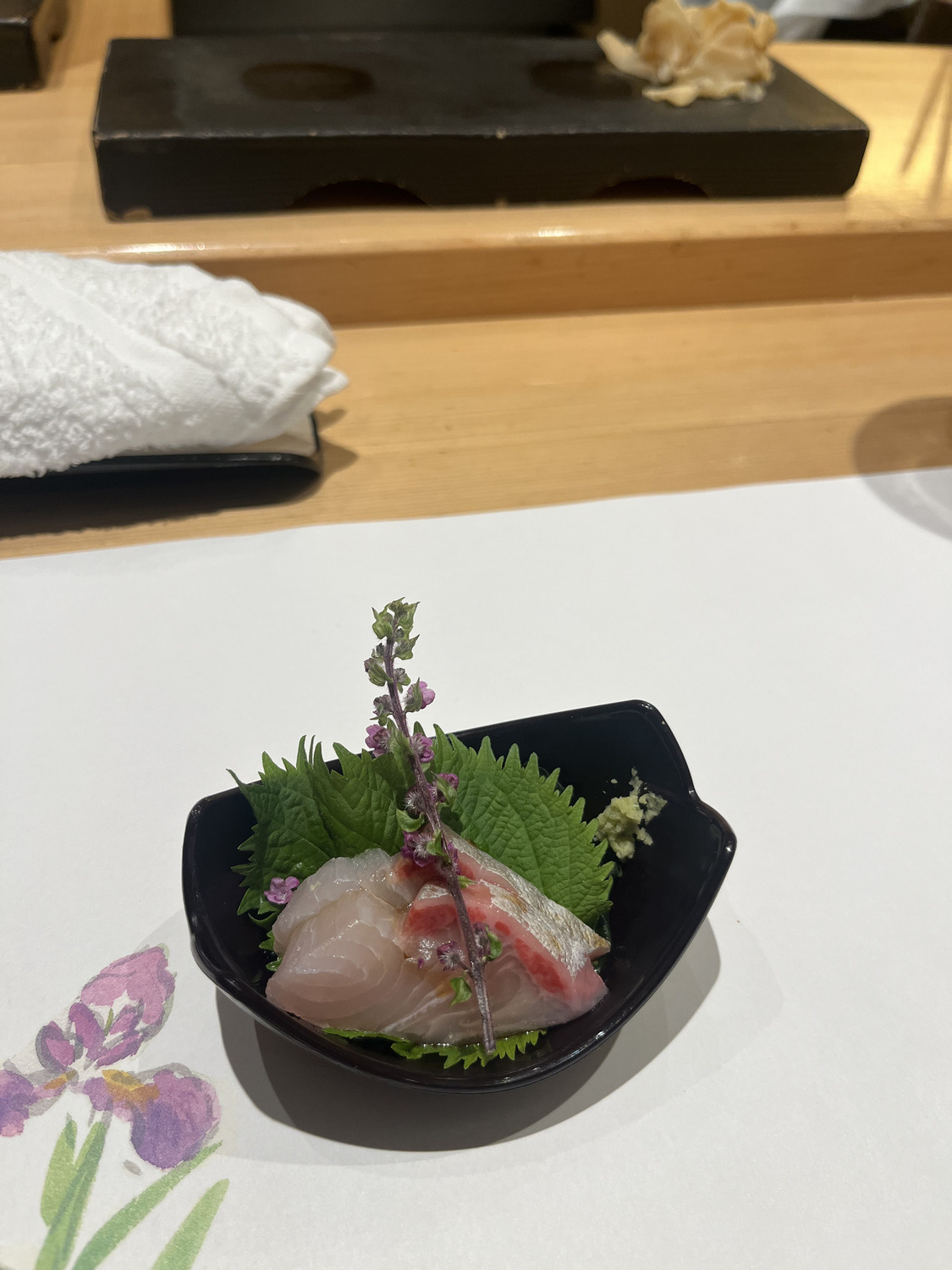
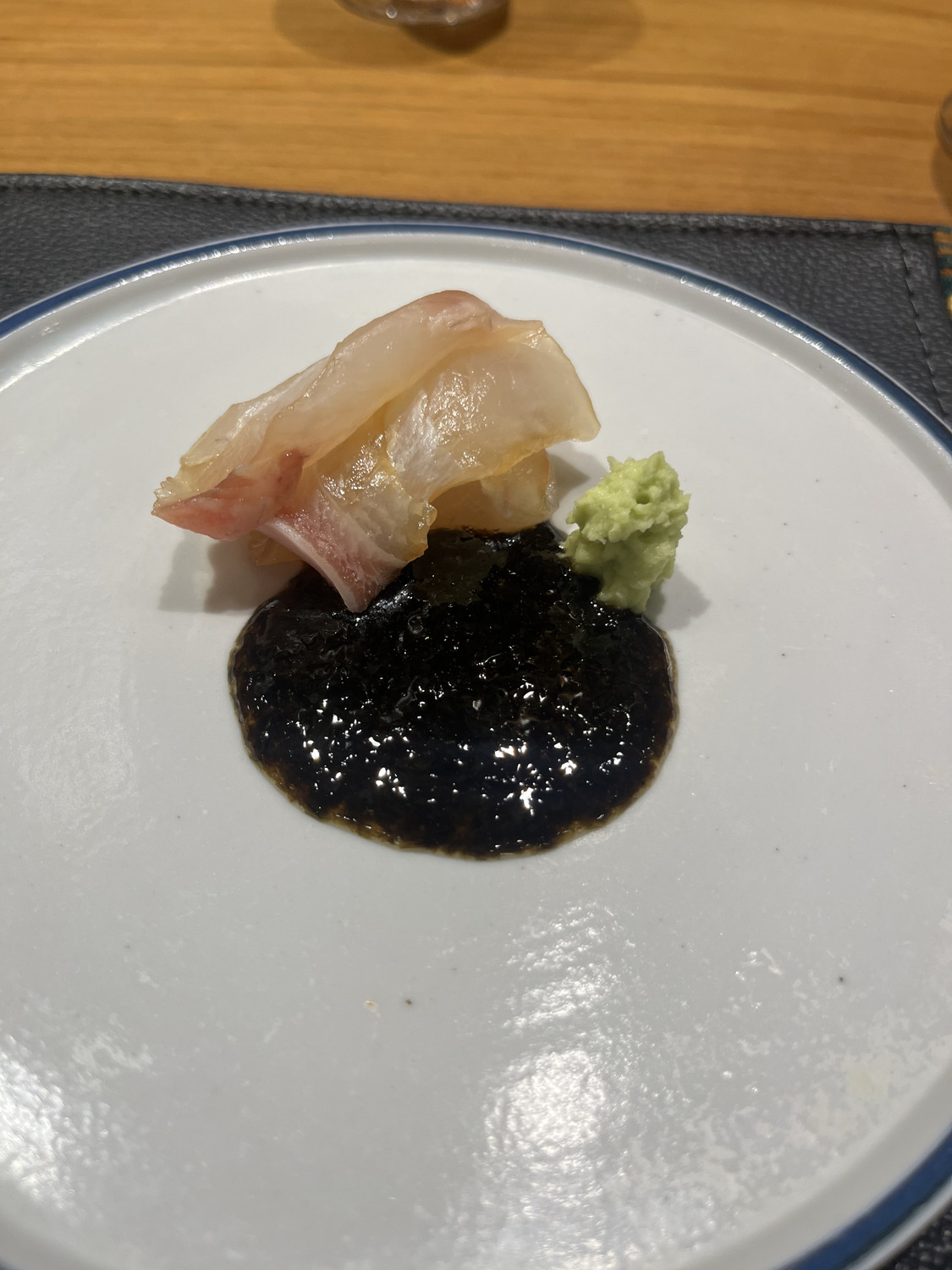
Tempura Omakase
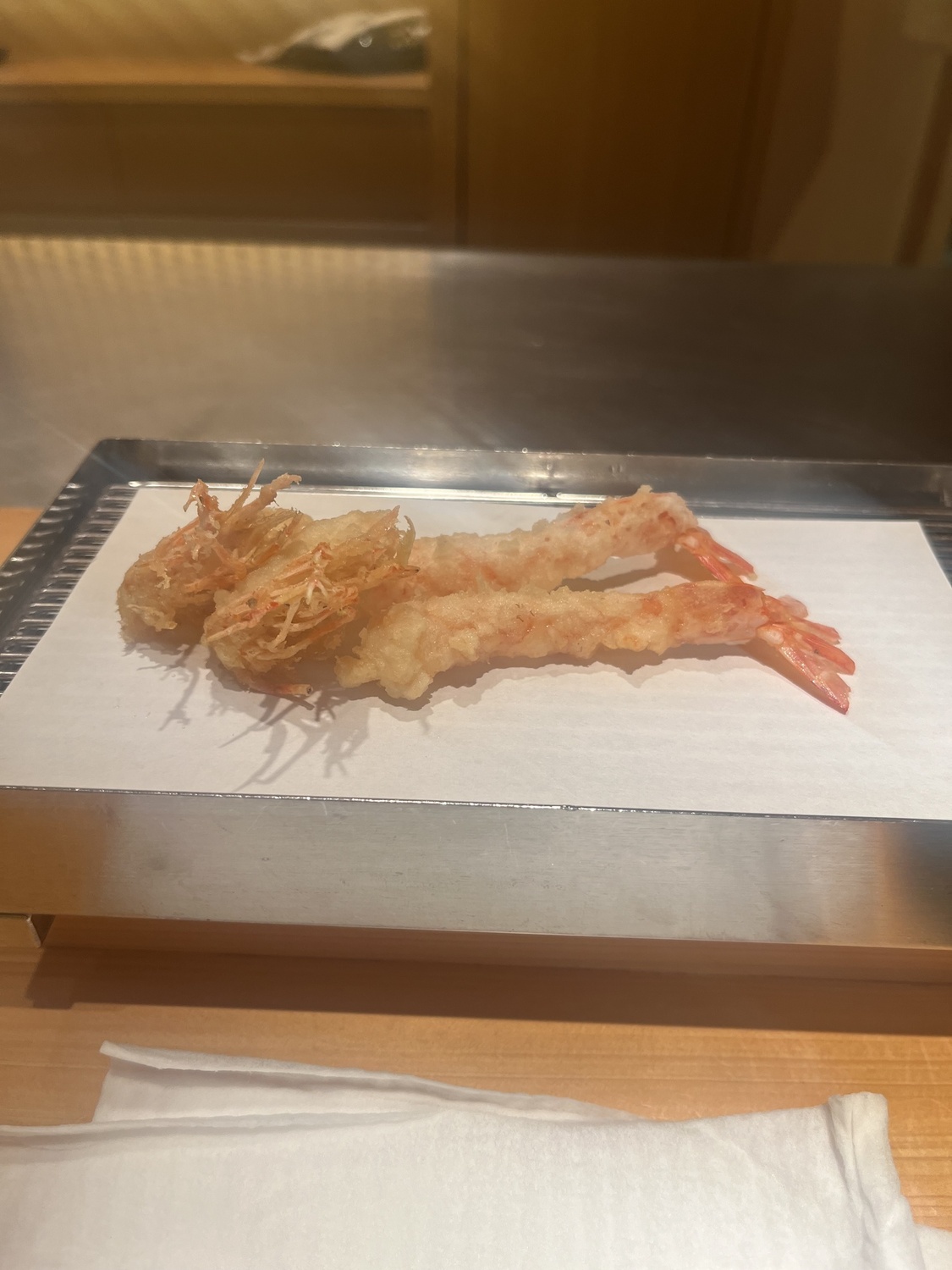
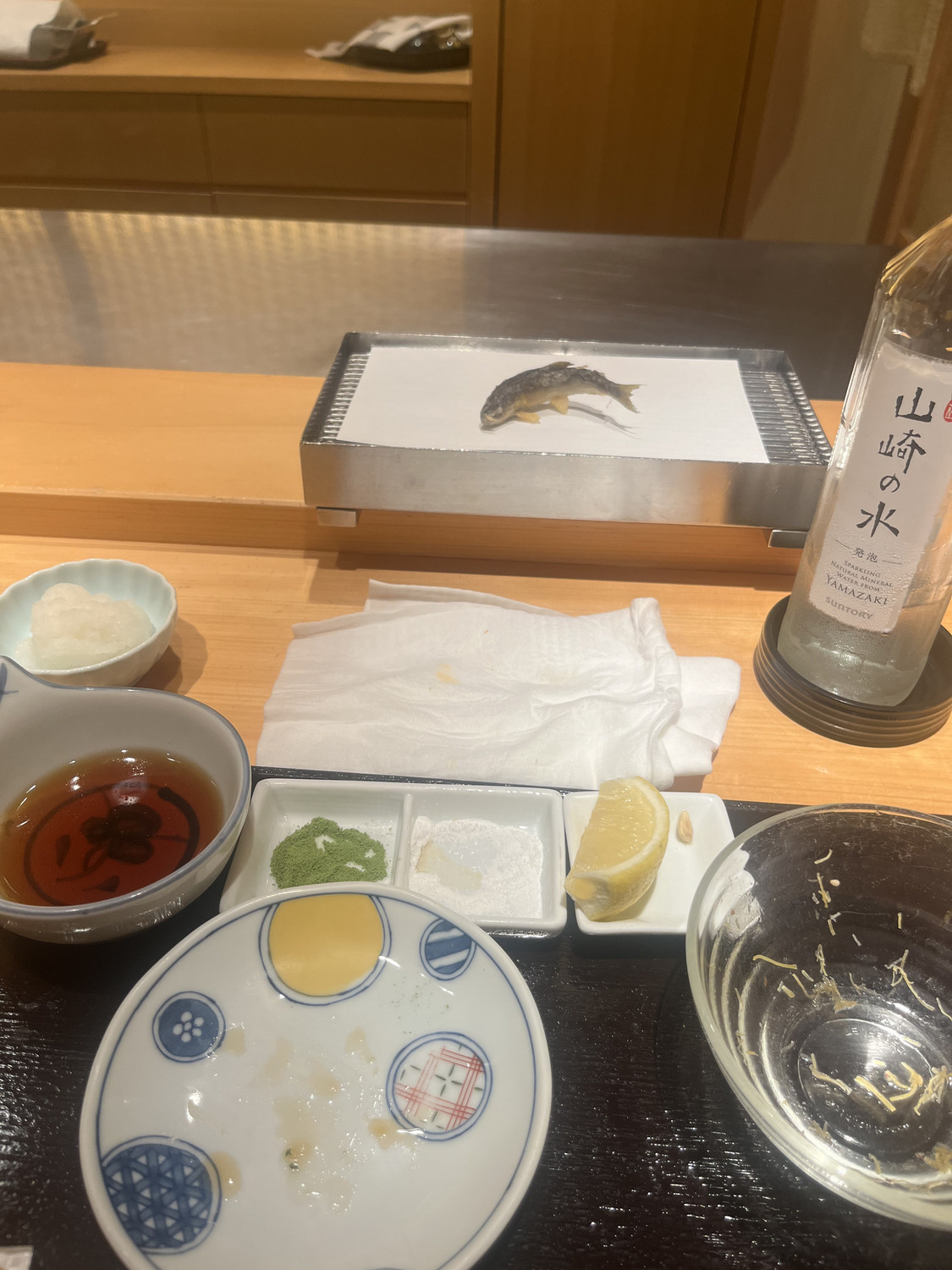
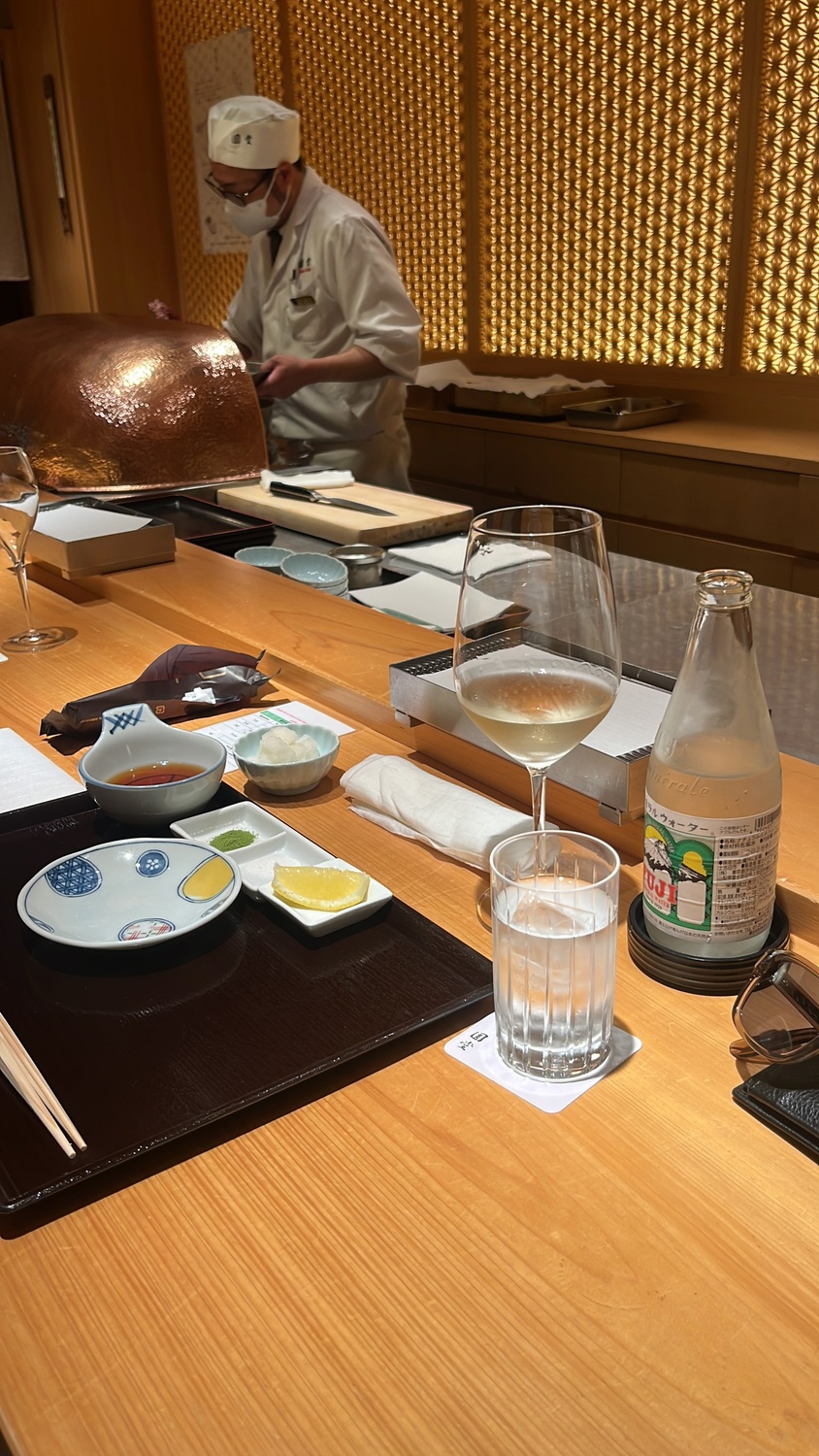
Tempura is breaded fried food which can be underwhelming when done poorly, but when done in a higher-end setting can be absolutely delicious. We went for a smaller course with around ten pieces, which included a lot of fried vegetables and mainly fried fish.
It was very delicious.
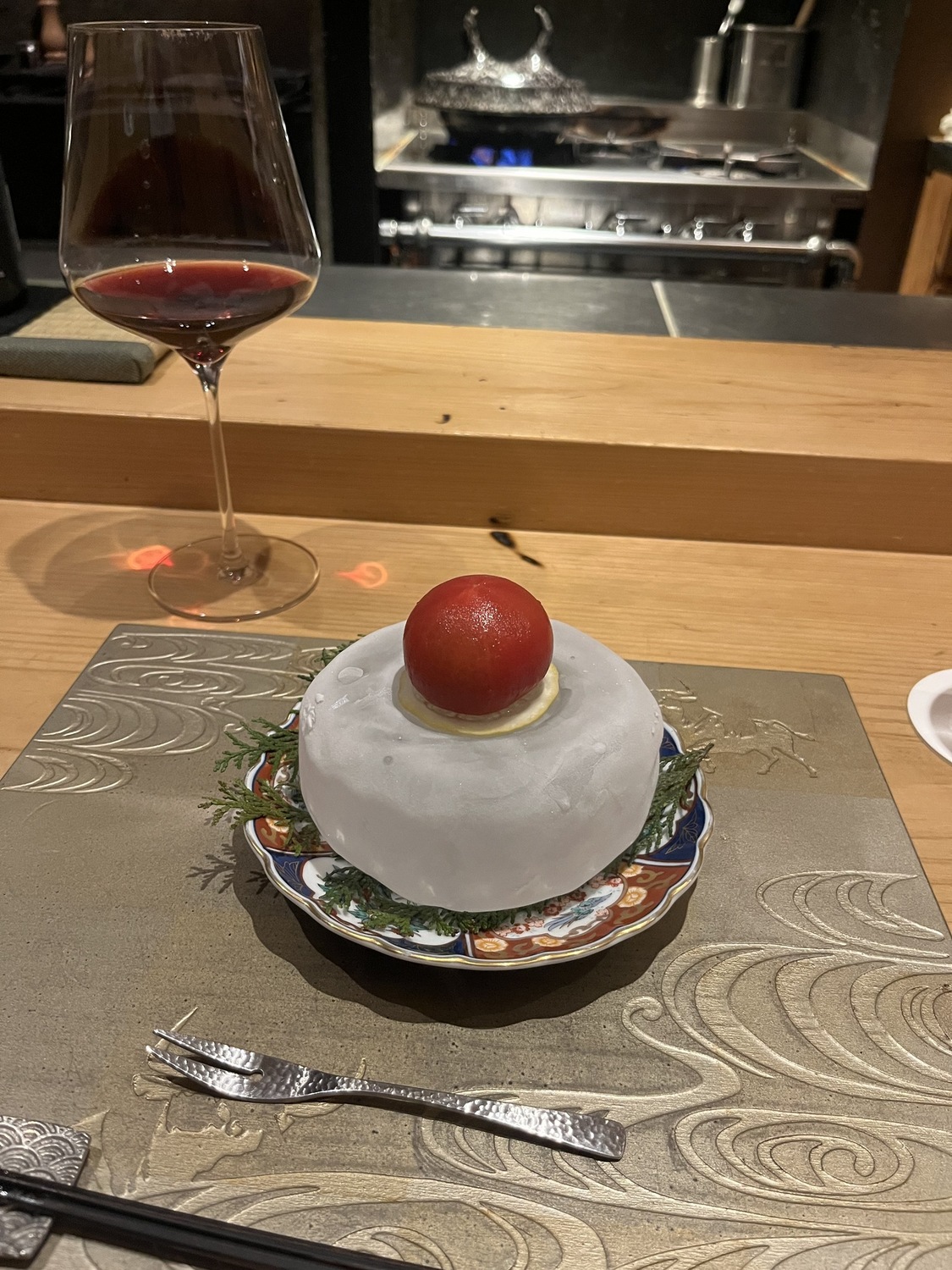
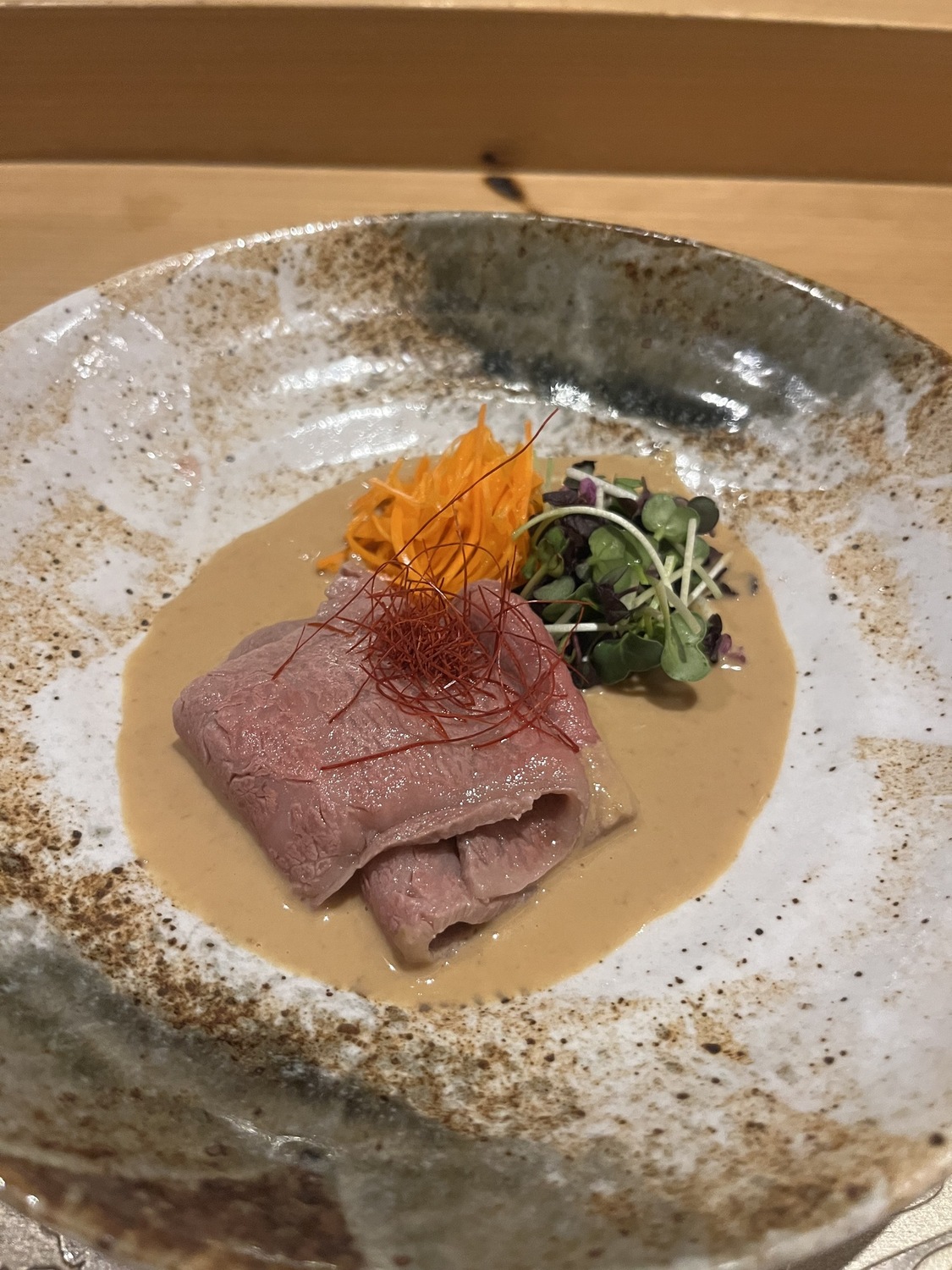
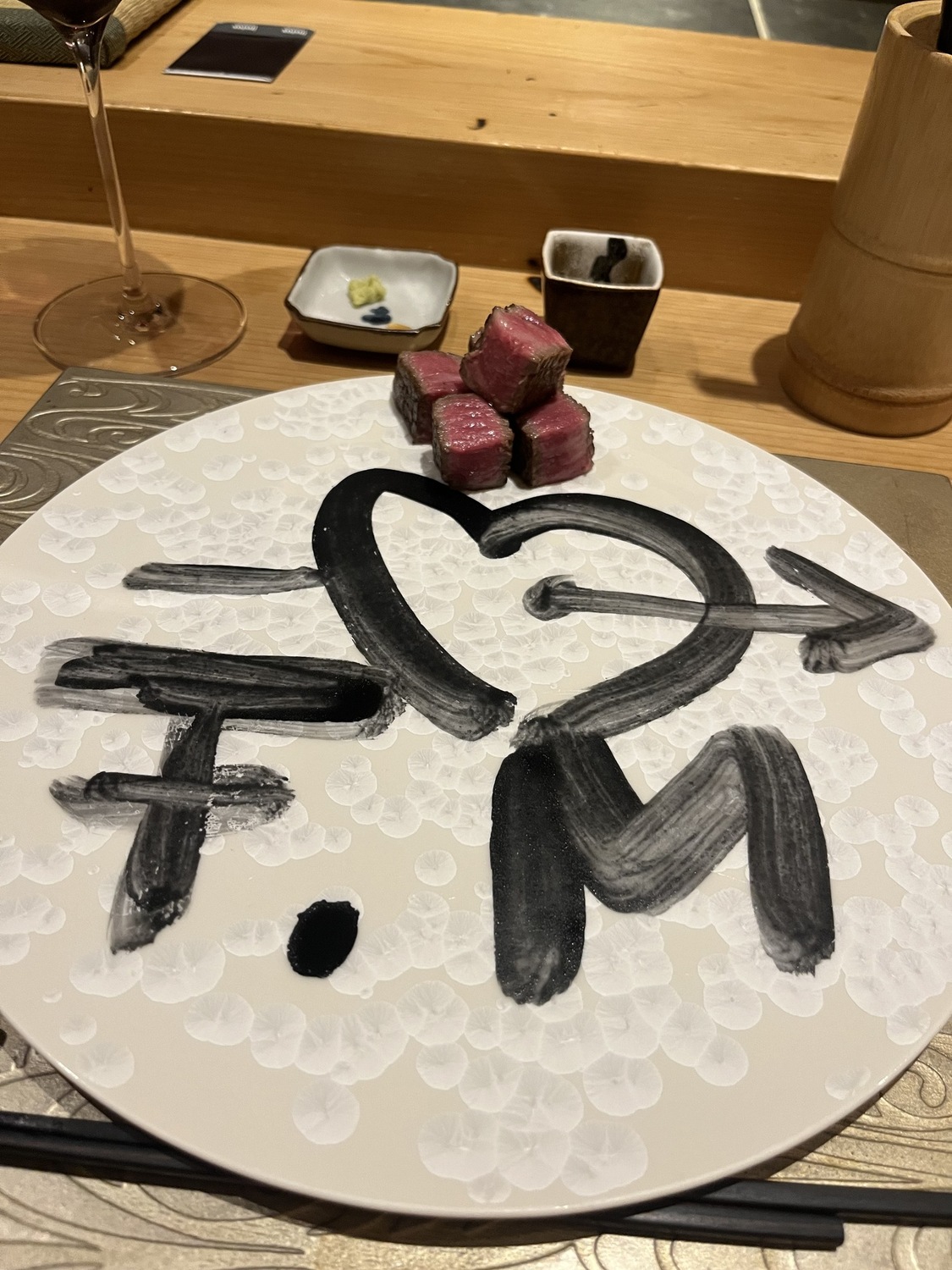
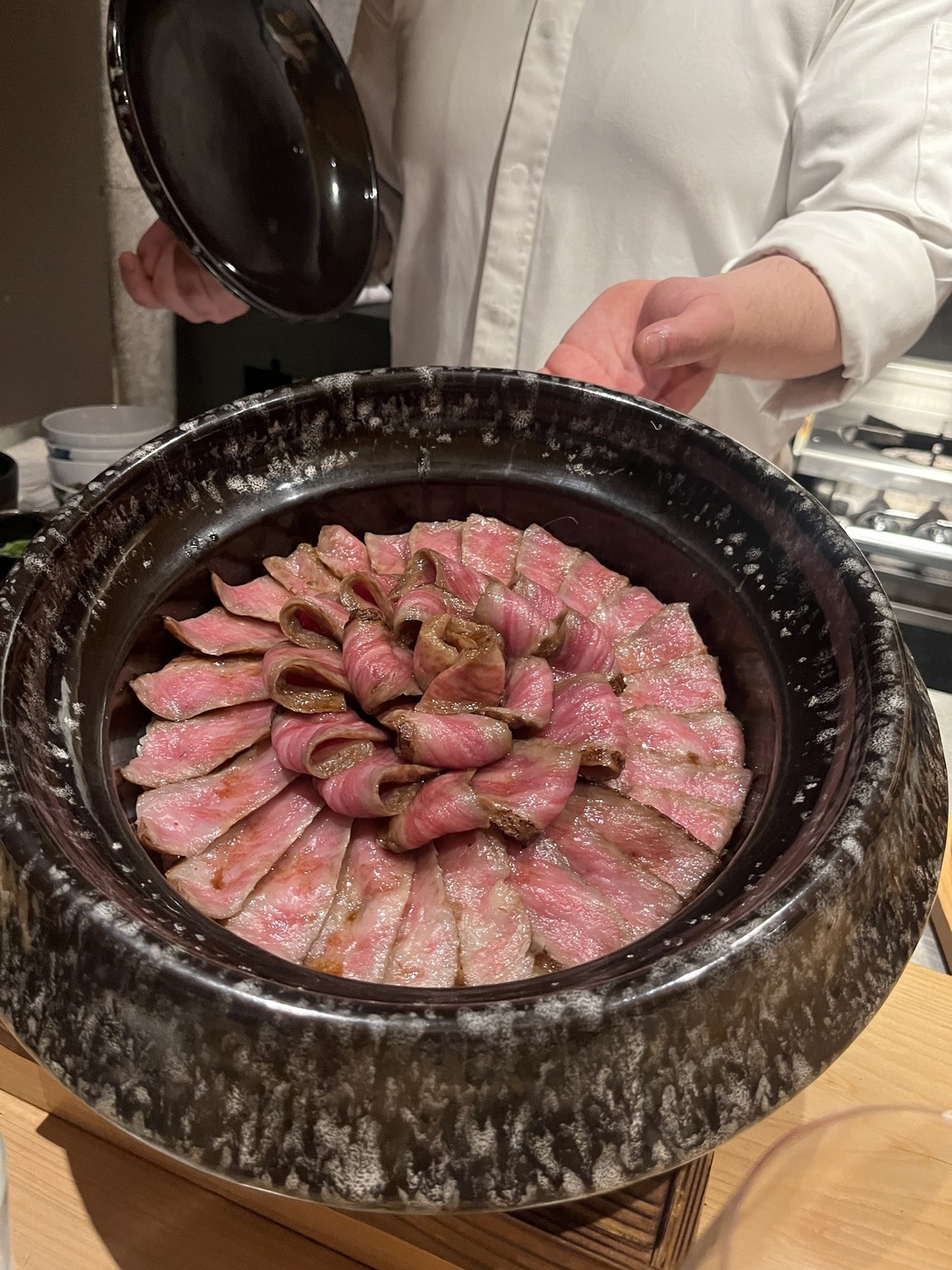
Wagyu Omakase
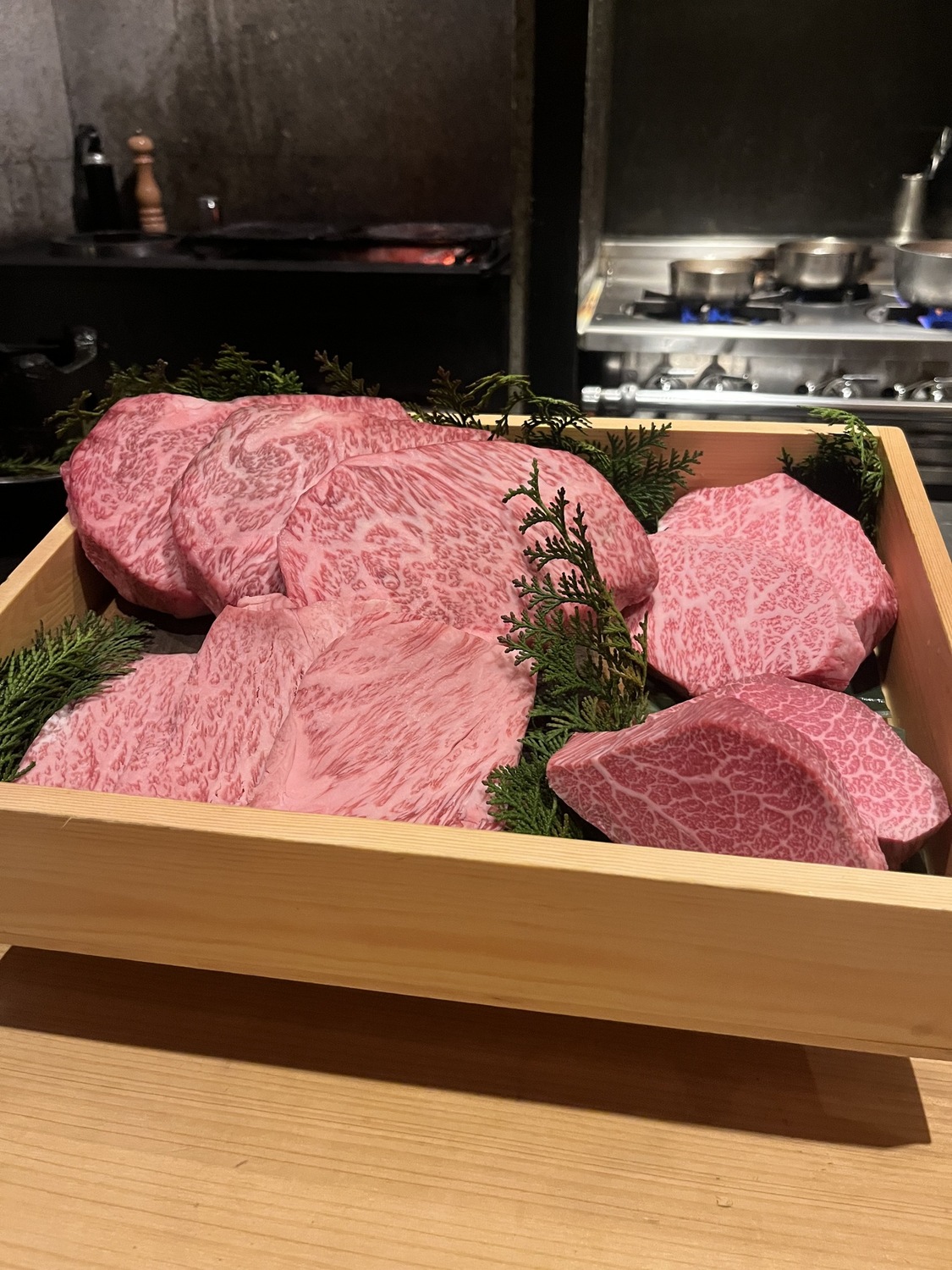
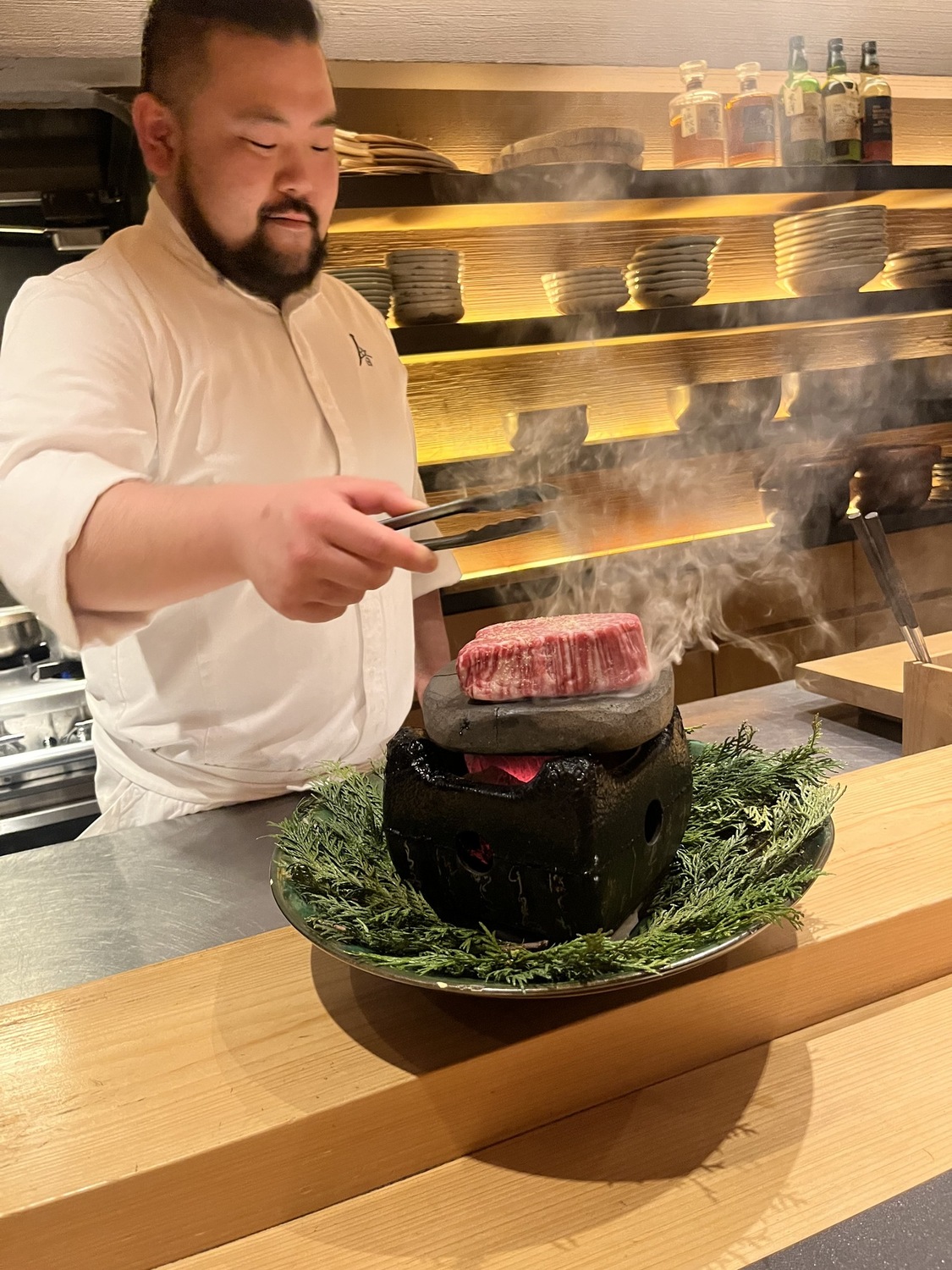
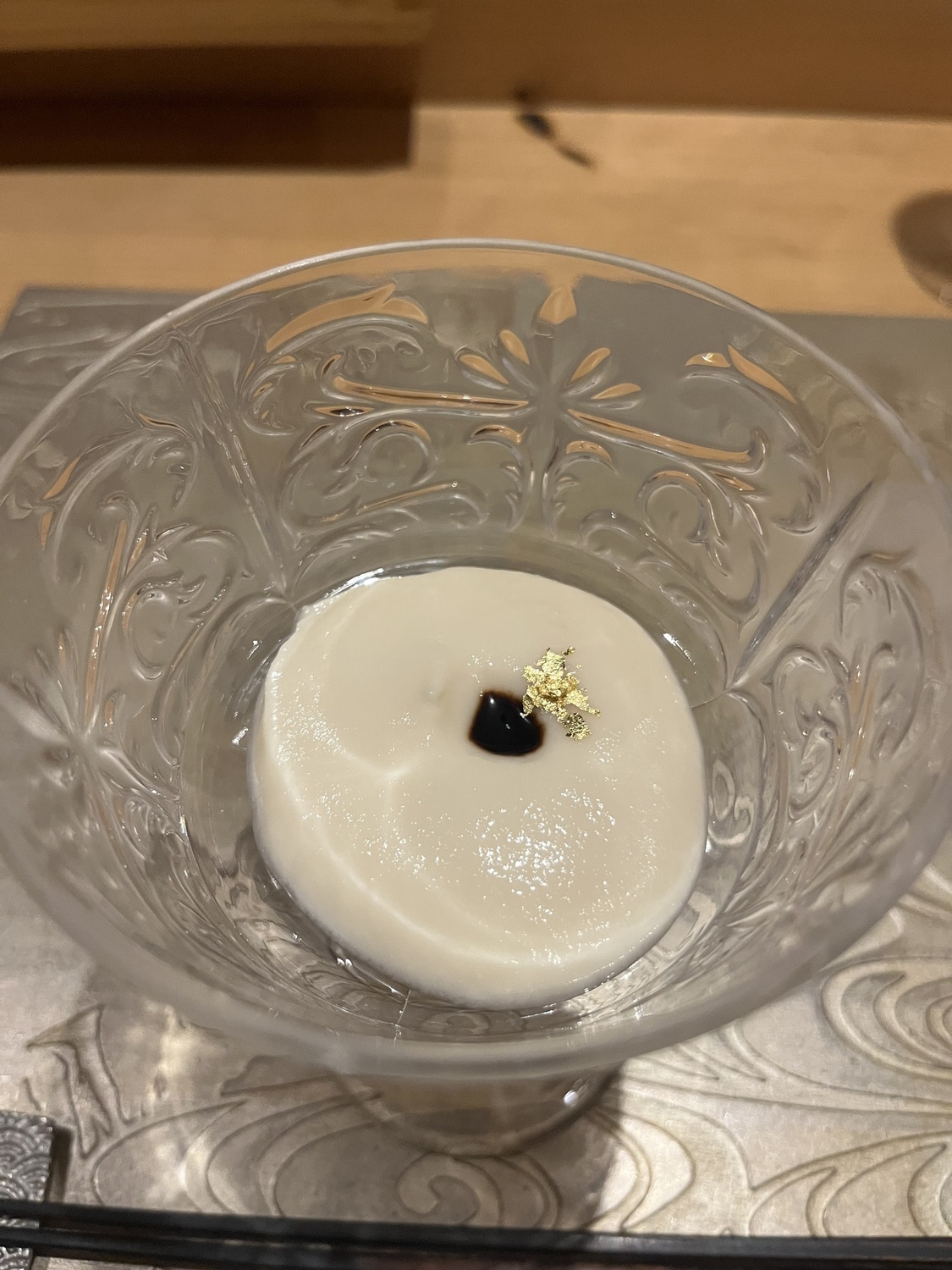
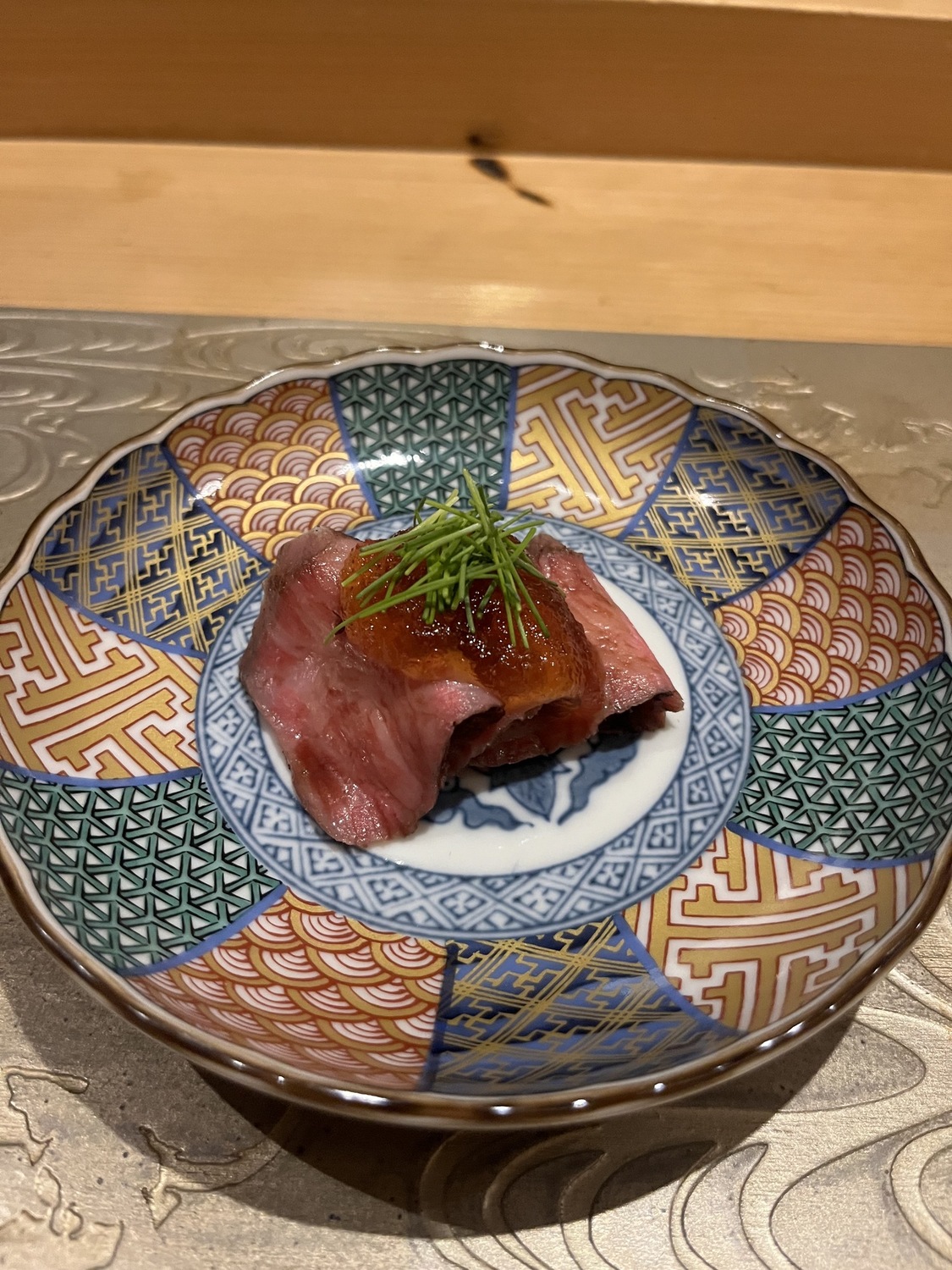
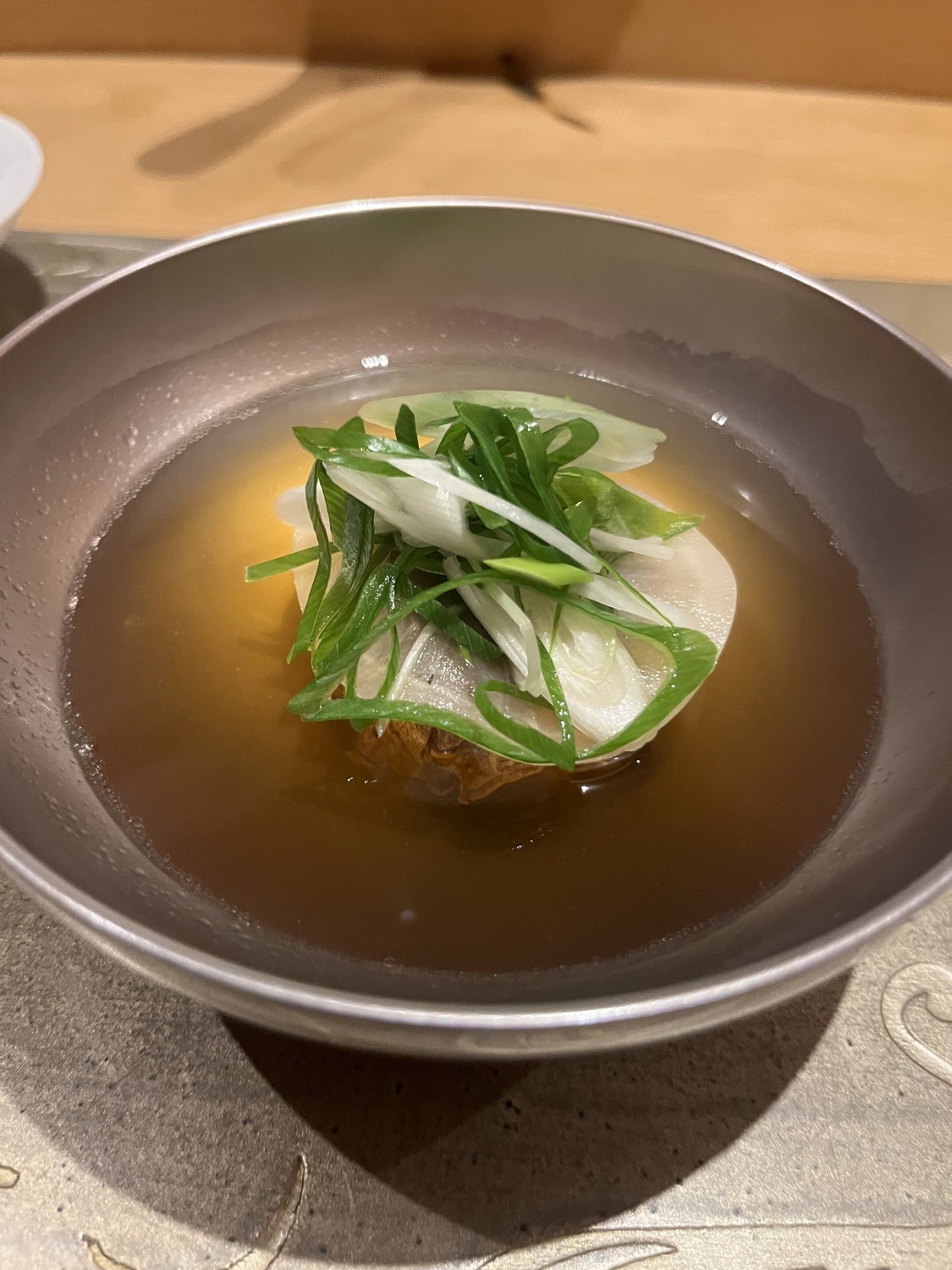
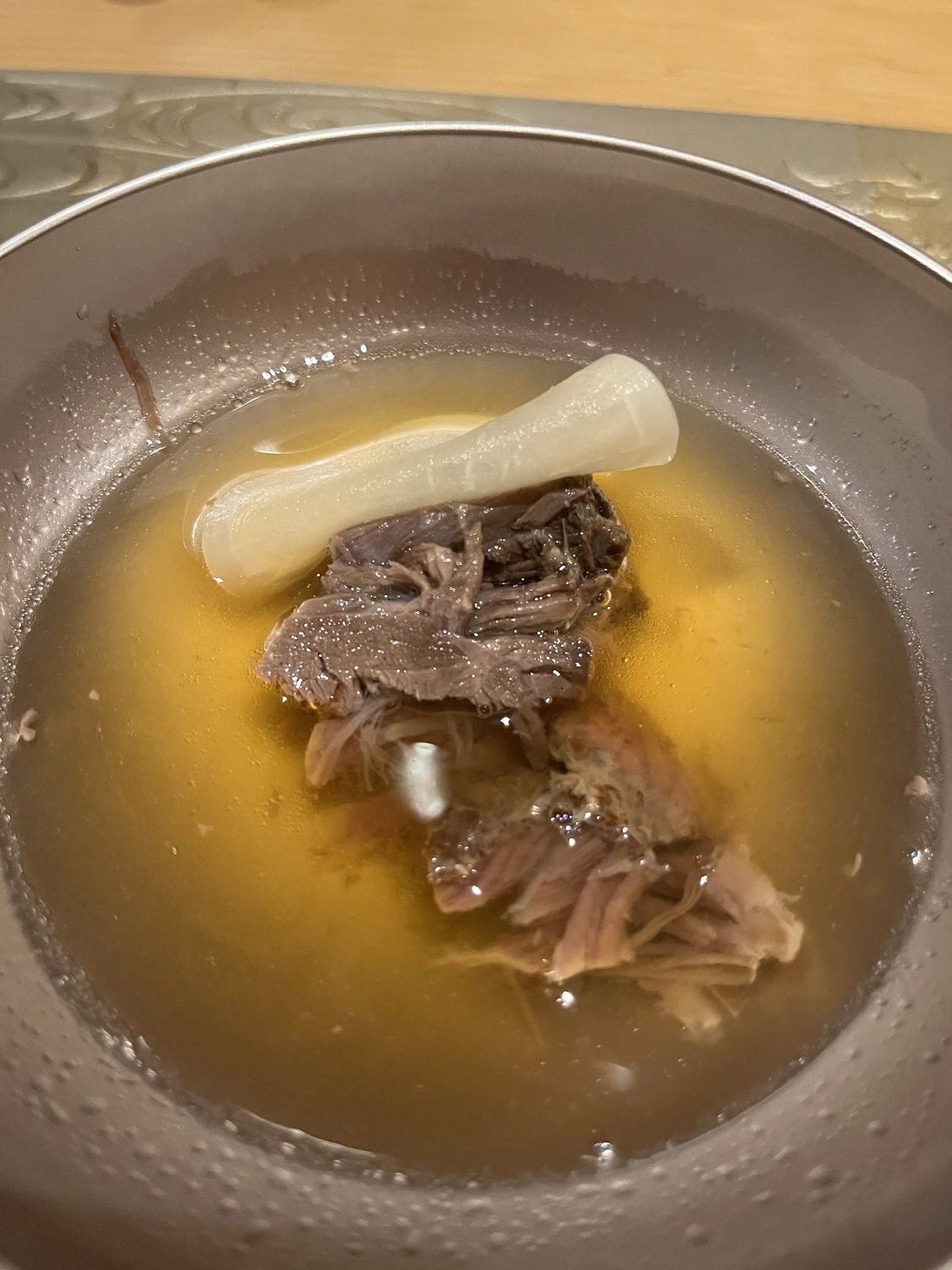
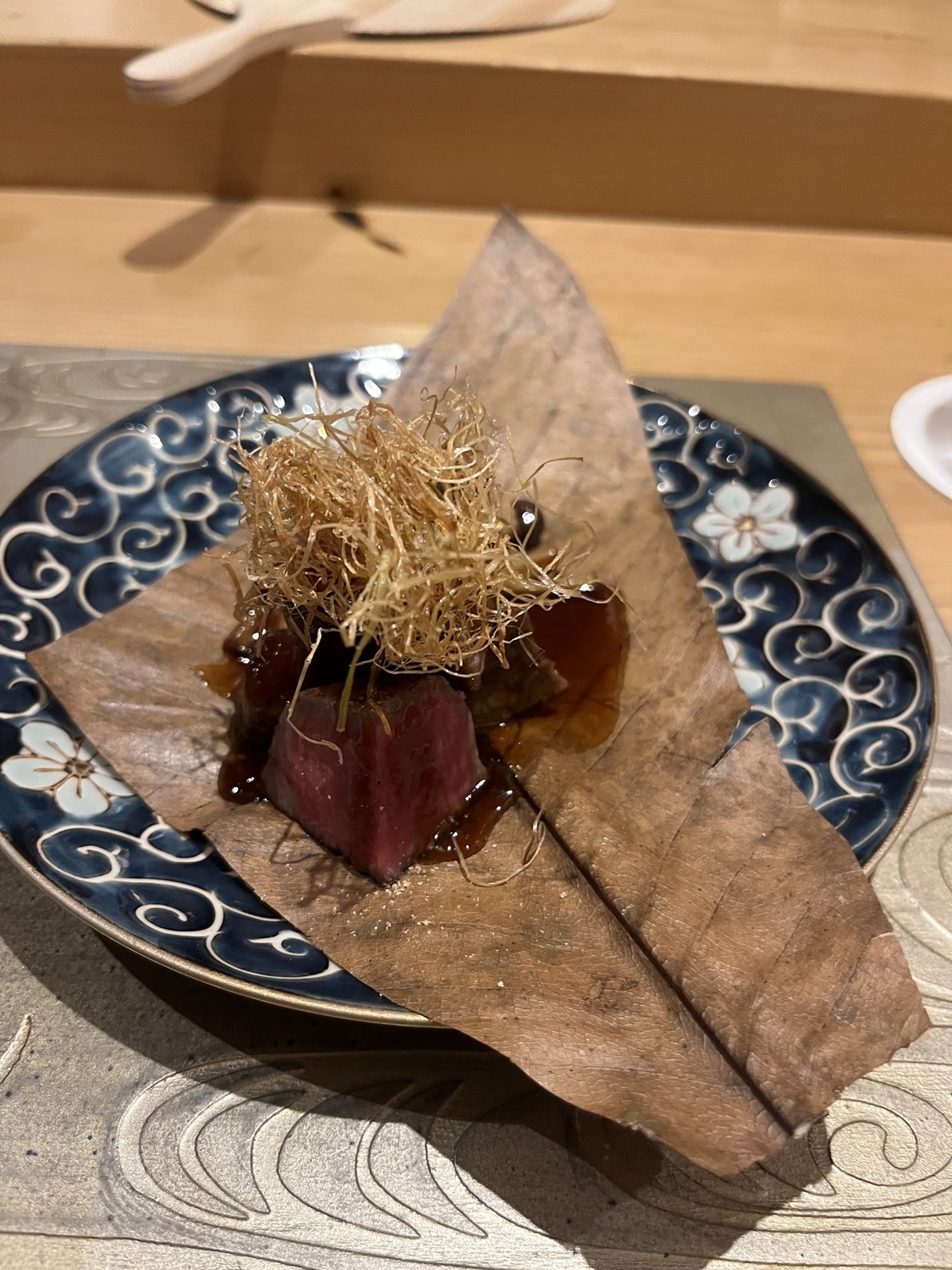
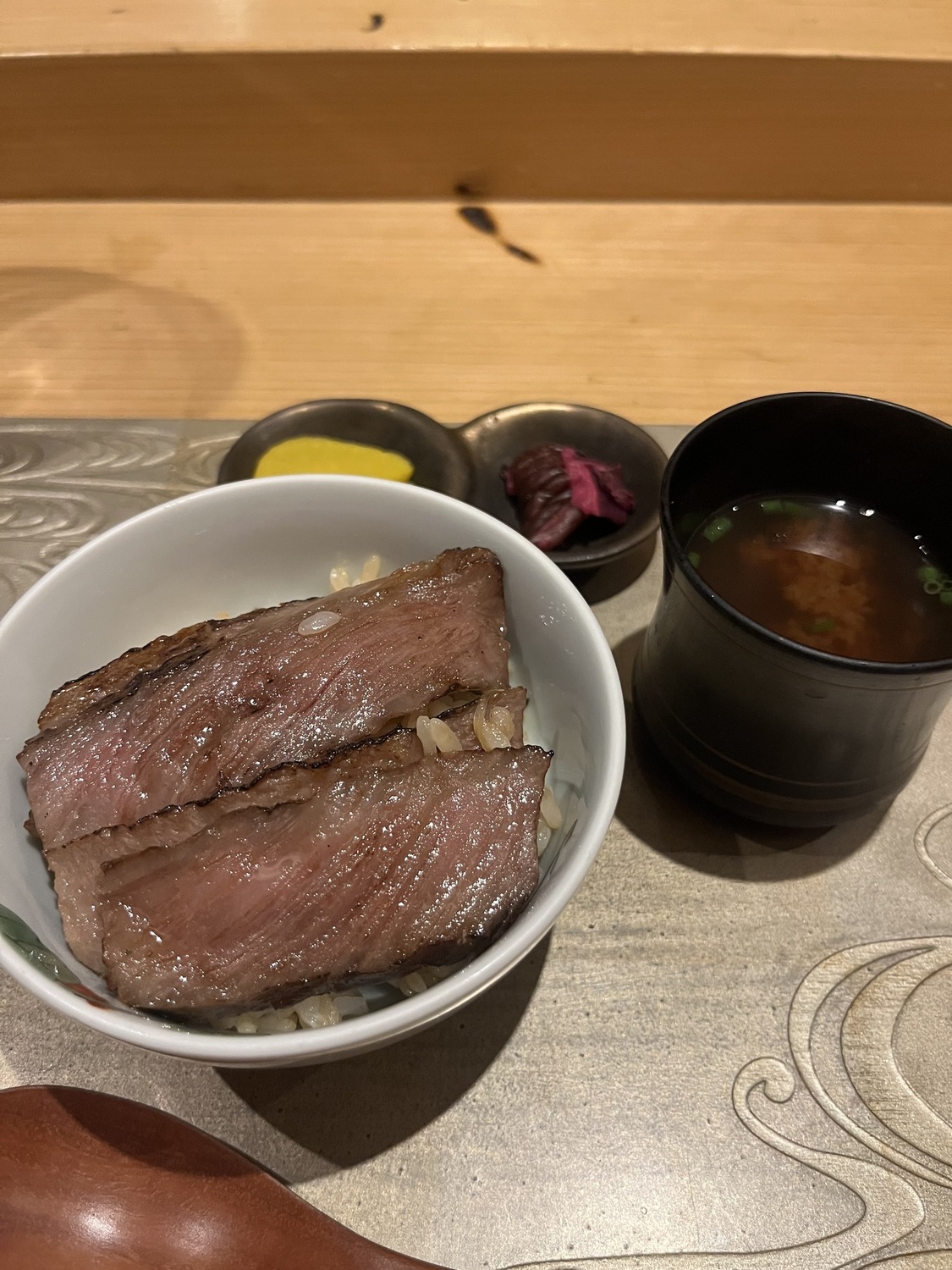
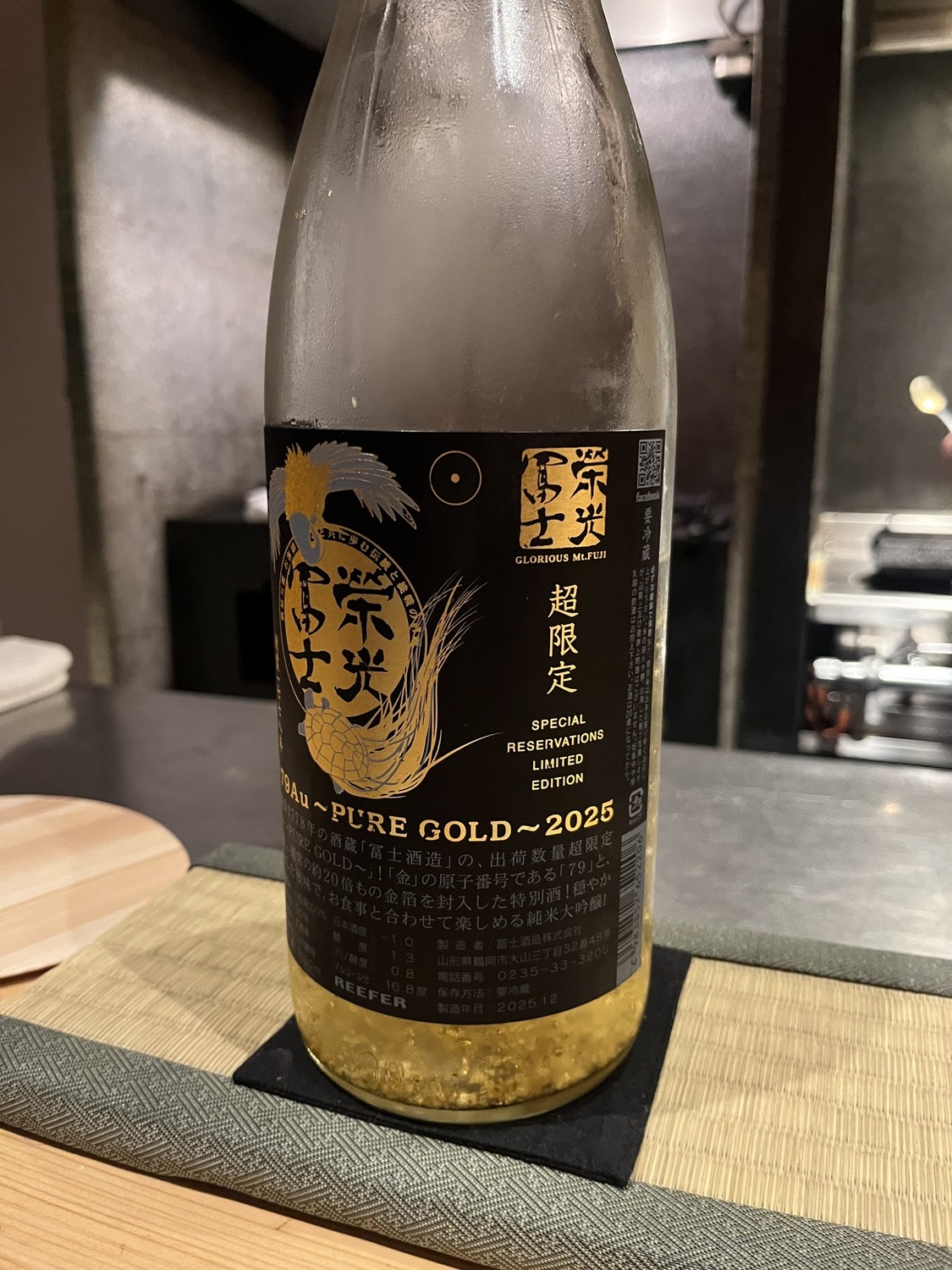
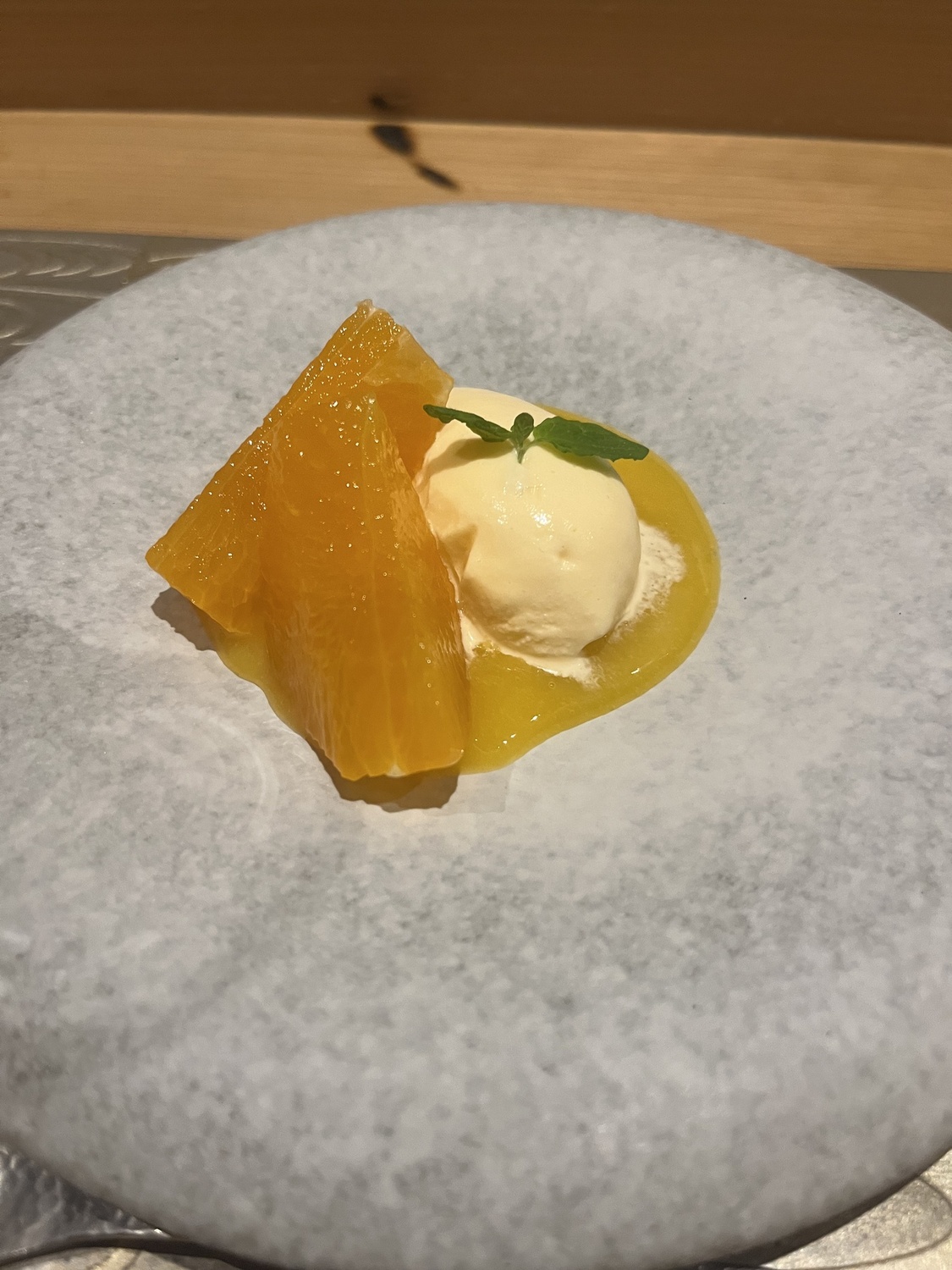
Yakiniku Kappou no Oto serves wagyu beef in an omakase style. It was the most expensive meal of our trip, at around 300 CHF per person. The chef prepares the wagyu in different ways, see the slide show below :)
The meat was very high quality, buttery and very soft.
Ramen
One of my absolute favorite foods, ramen, is one thing that can’t be missed when going to Japan. There’s an unlimited amount of different flavors. Most restaurants make their broth over multiple days, based on pork, chicken, or fish. Some even mix the animal flavors.
It’s extremely affordable, with an average cost range of around 800 to 2000 yen (4 to 10 CHF) for a bowl of ramen, which is very cheap considering the quality and the amount of food you get.
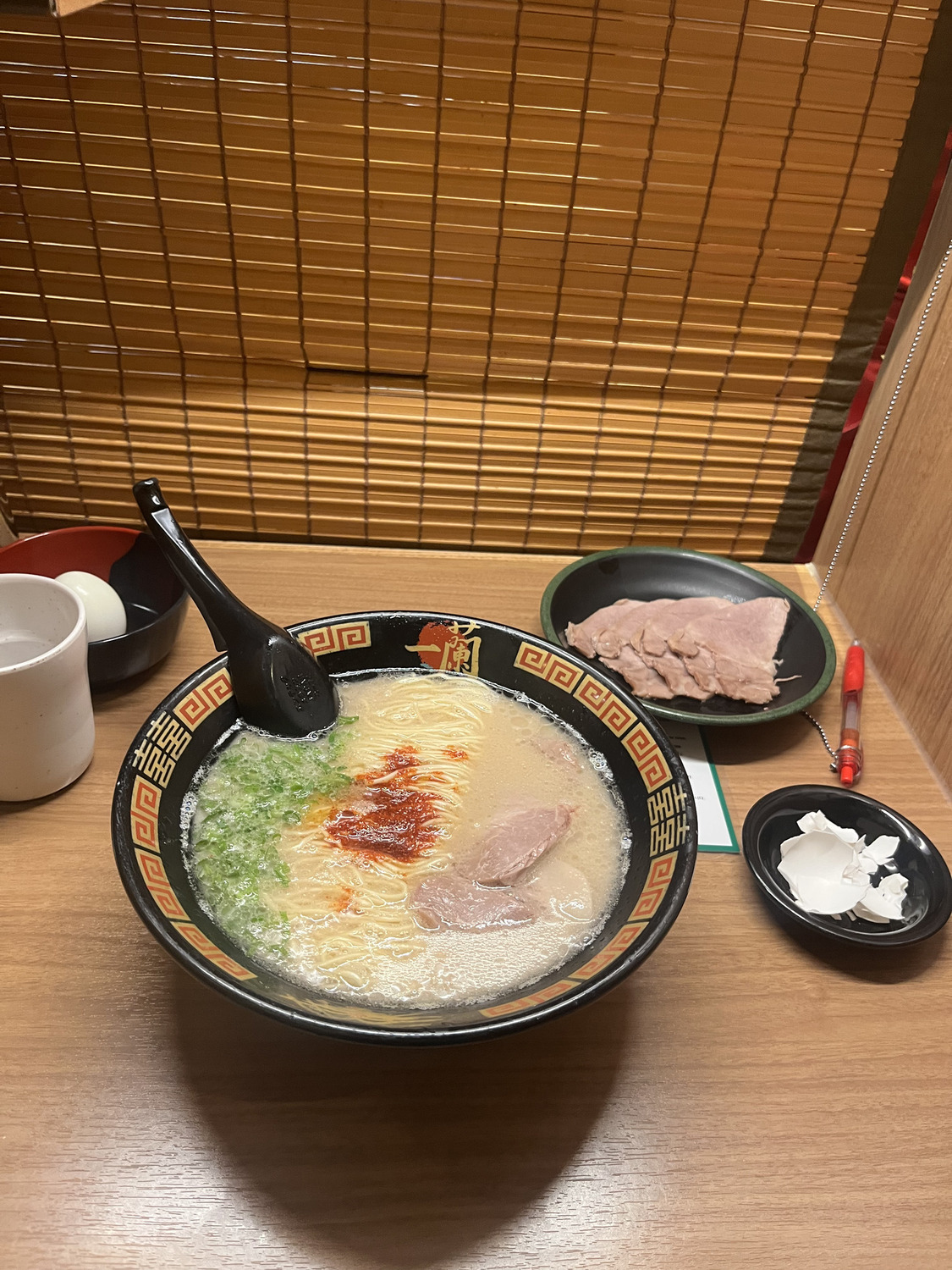
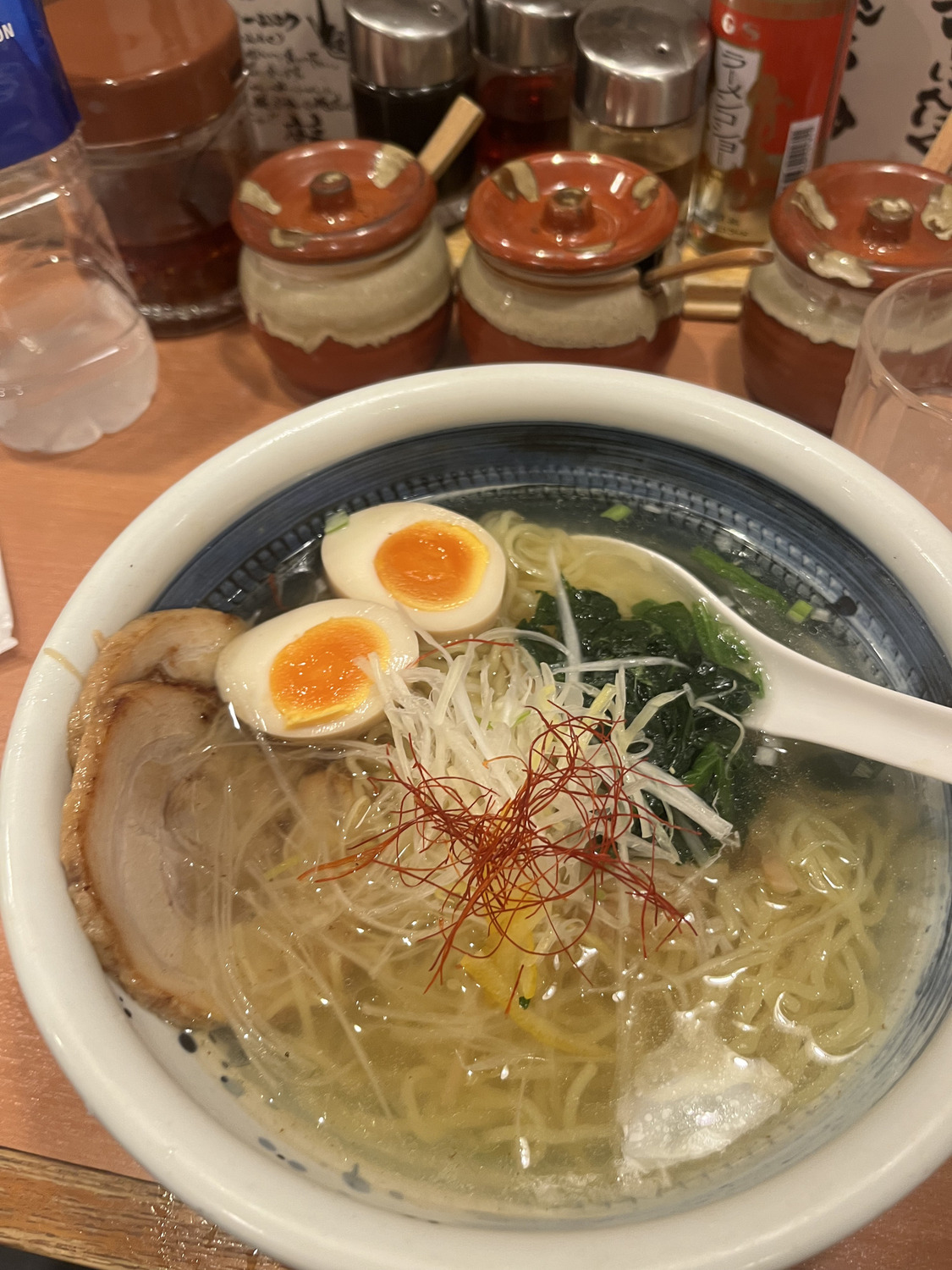
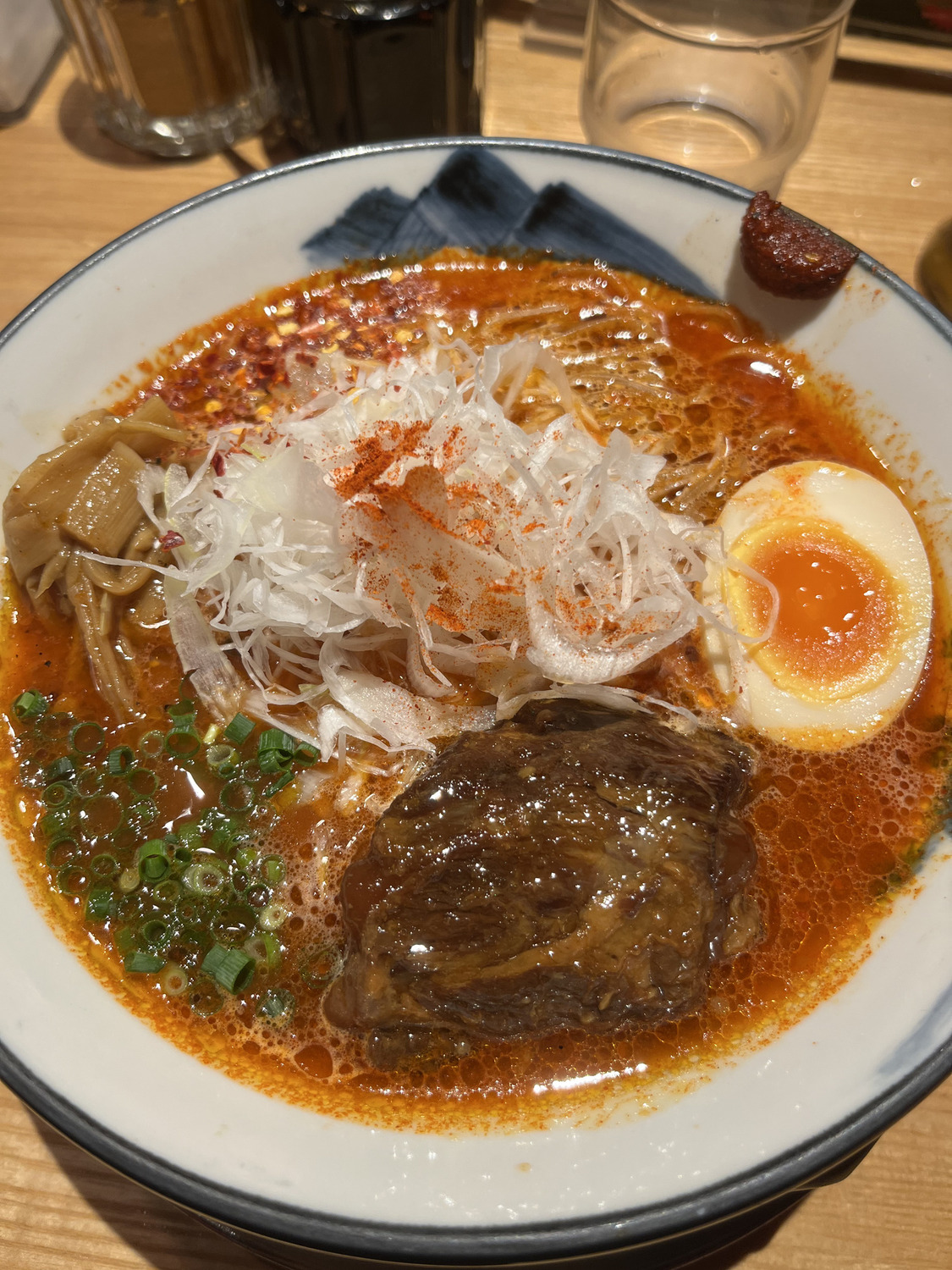
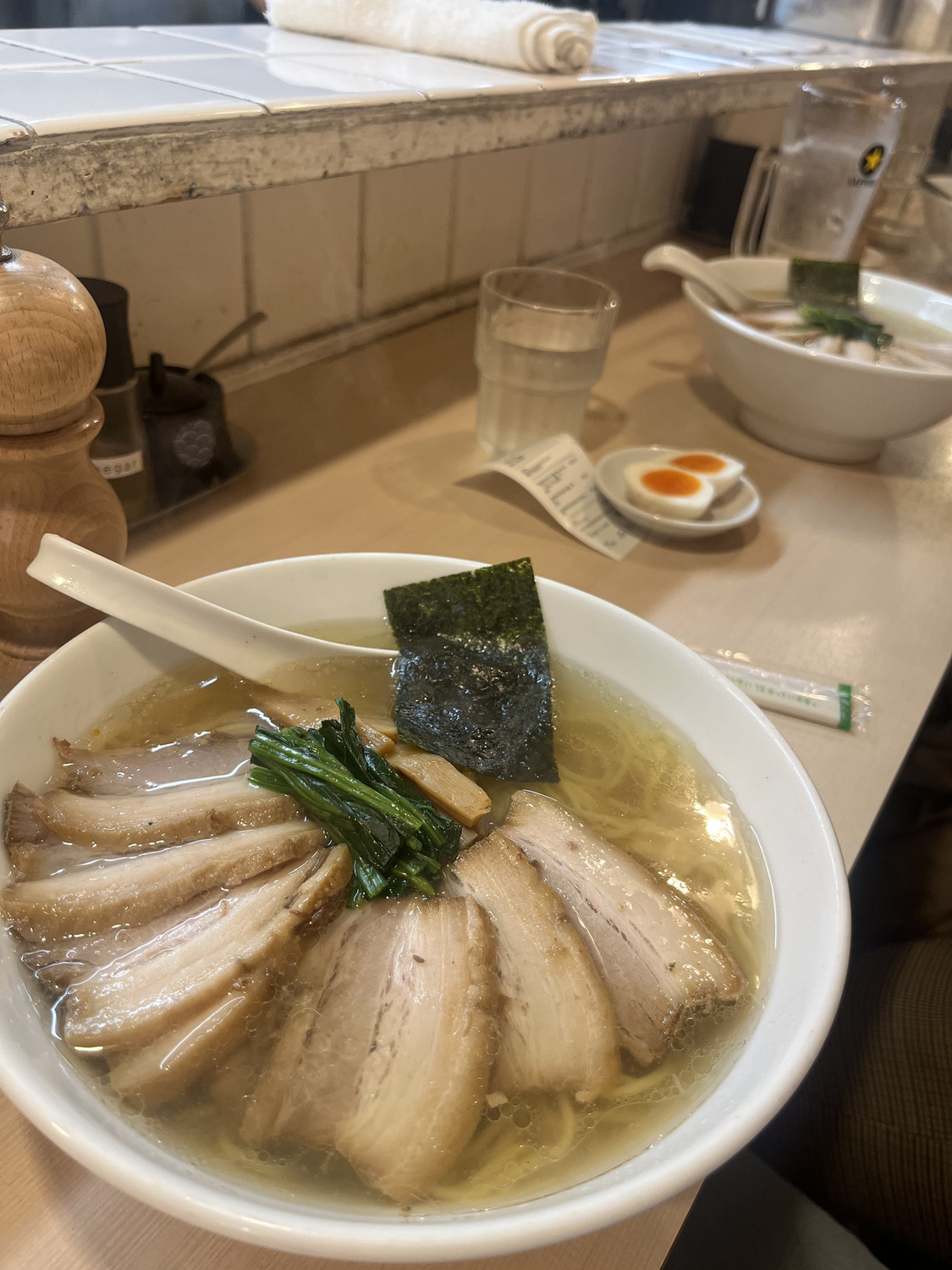
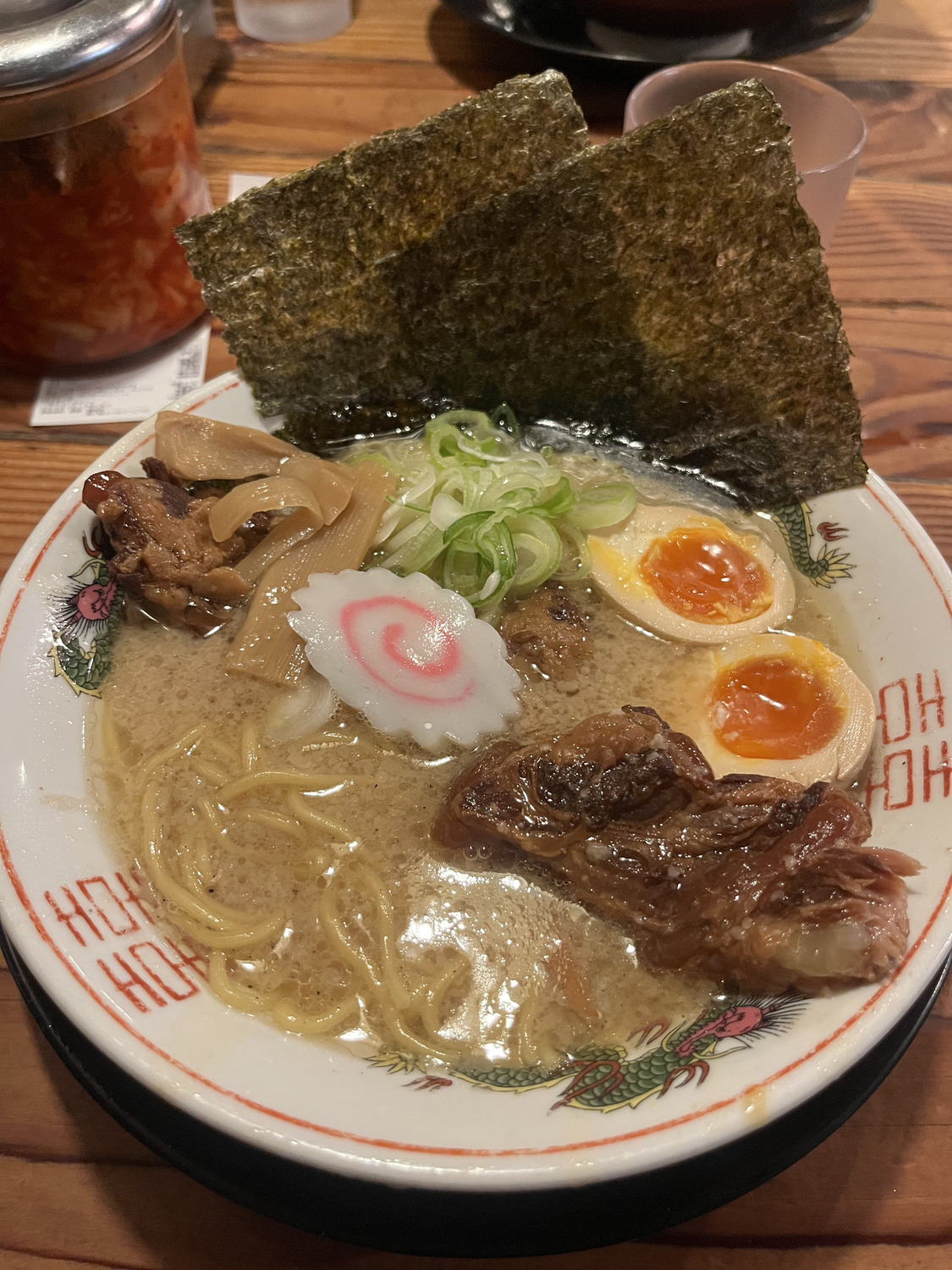
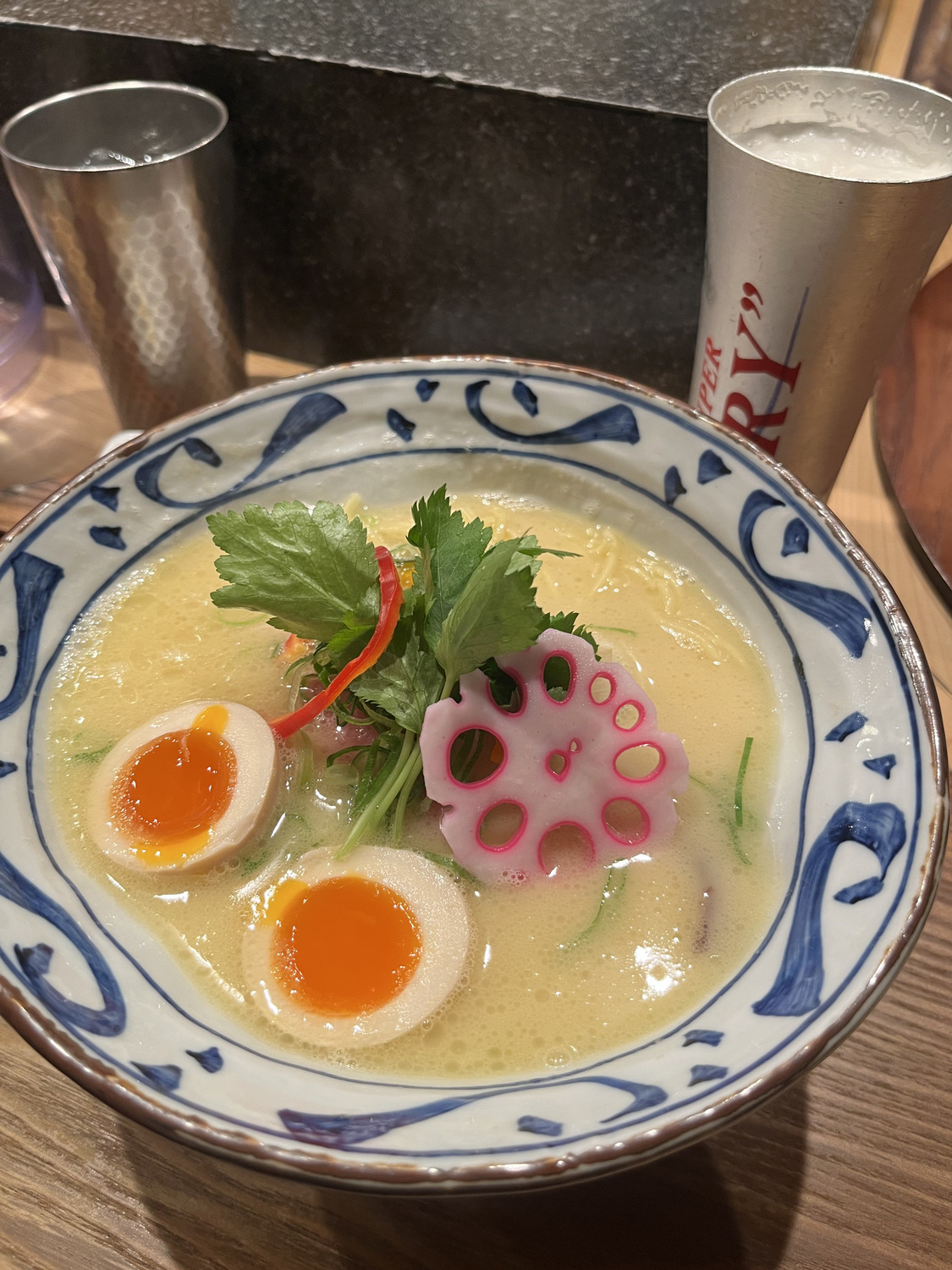
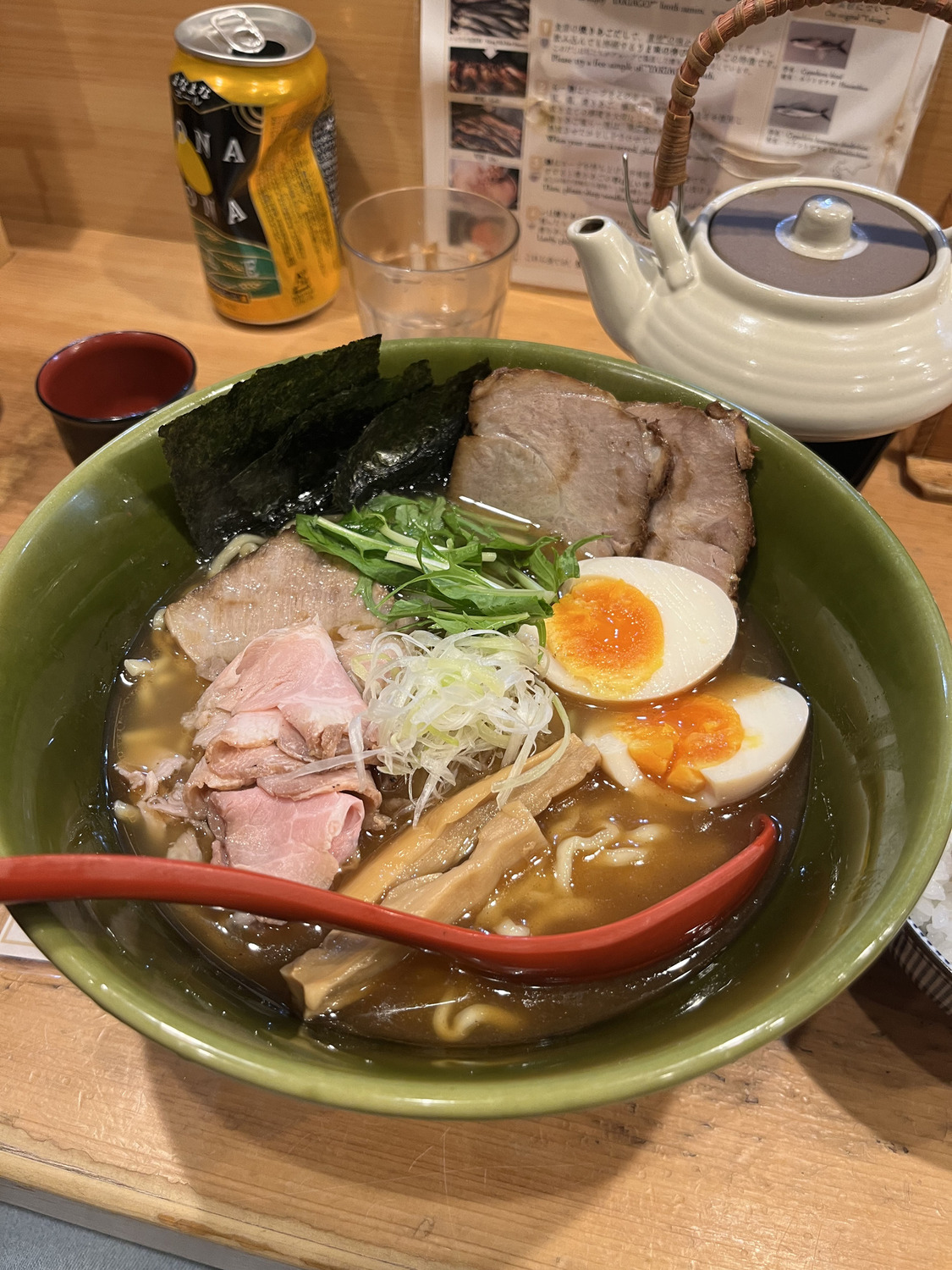
We had many ramens during this trip, and often we had one right before going to sleep at around midnight, which we called a “goodnight ramen”.
Food
Apart from the omakase and ramen meals, we also enjoyed some other traditional Japanese foods.
Katsudon
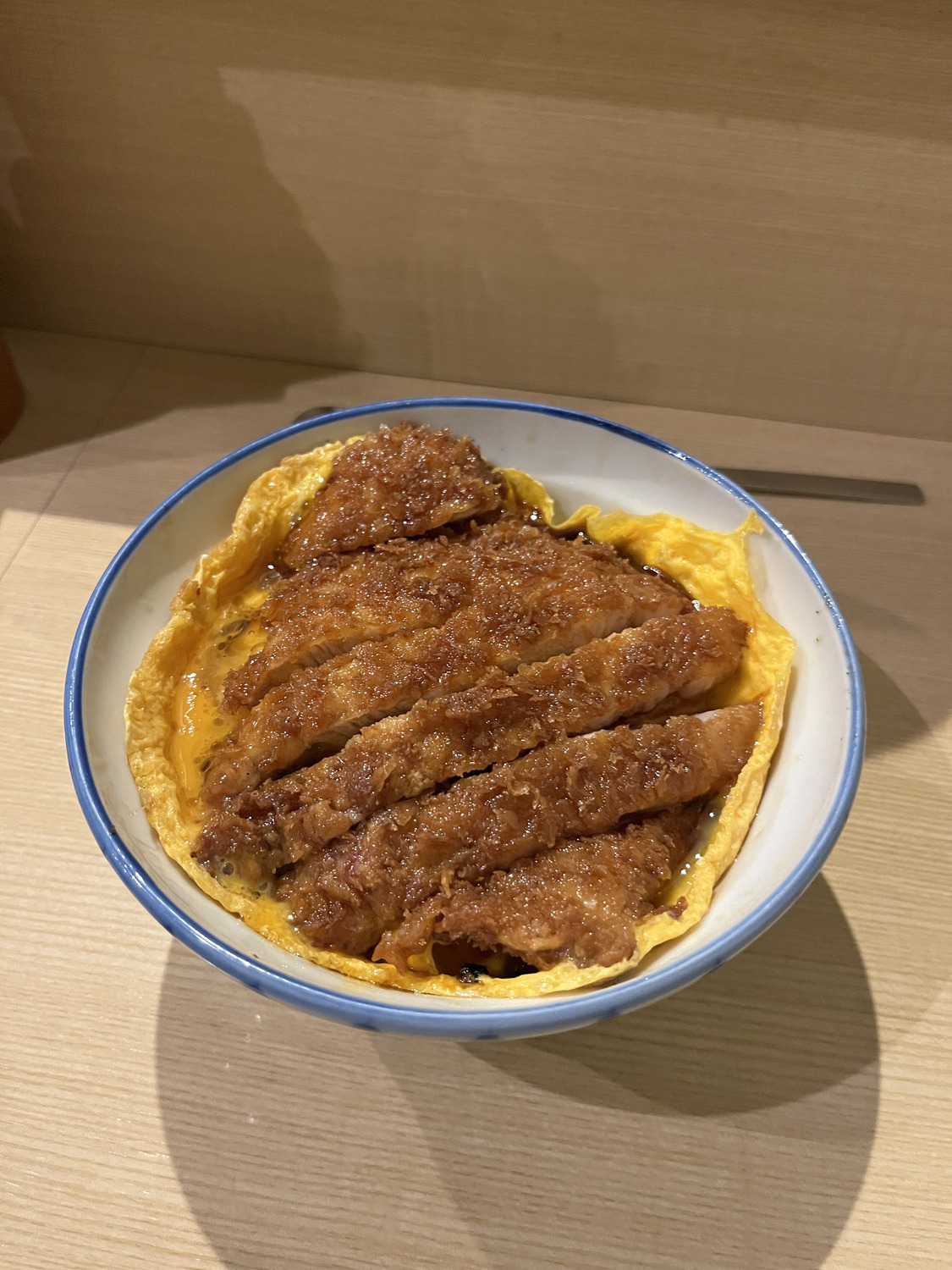
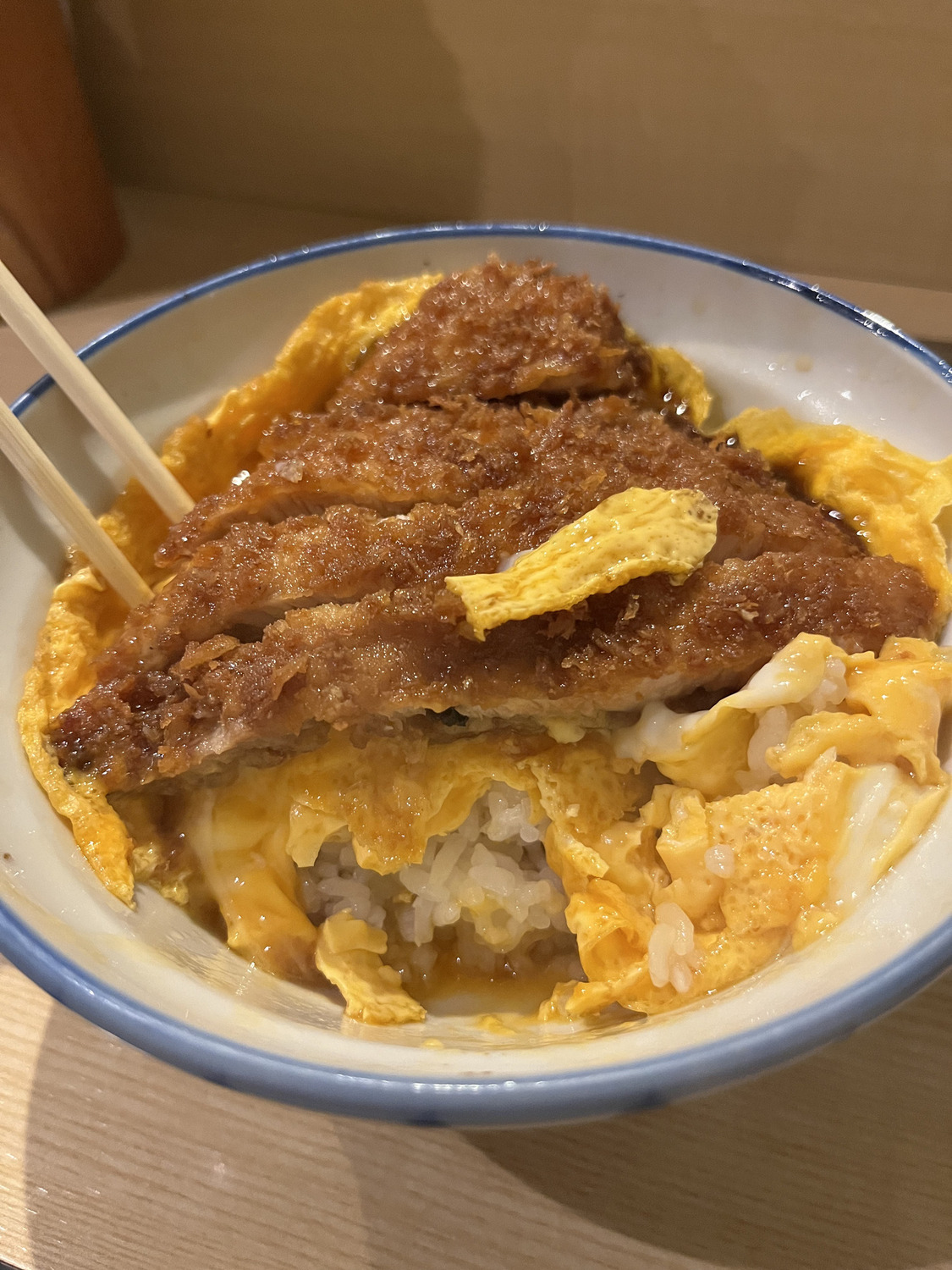
A rice bowl with egg on top, topped with a fried pork or chicken cutlet. It’s a very simple dish, but when done well, it can be very delicious. One of my favorite dishes. I sometimes even eat it in Zurich. This one was the best variation I’ve ever had.
Curry
Curry is a very popular dish in Japan, and it’s quite different from Indian or Thai curries. Slightly sweet, but also usually spicy. We went to a famous Japanese curry chain called CoCo Ichibanya, where you can actually select your spice level from 0 to 10.
I chose spice level 2 because I had this dish in the past and knew it’s very spicy. Even at level two, I actually broke a sweat from eating the curry.
My friend ordered spice level zero because he wanted to taste just the curry flavor, but his review was that it was the worst curry he ever had, which I absolutely do not agree with because this is one of my favorite curries I’ve ever had. I don’t fully accept his review as we ate this meal around midnight, after quite a few drinks :)
Still, I can agree that this curry looks very close to what somebody who had a bad time on the toilet would produce, but to me it’s very delicious.
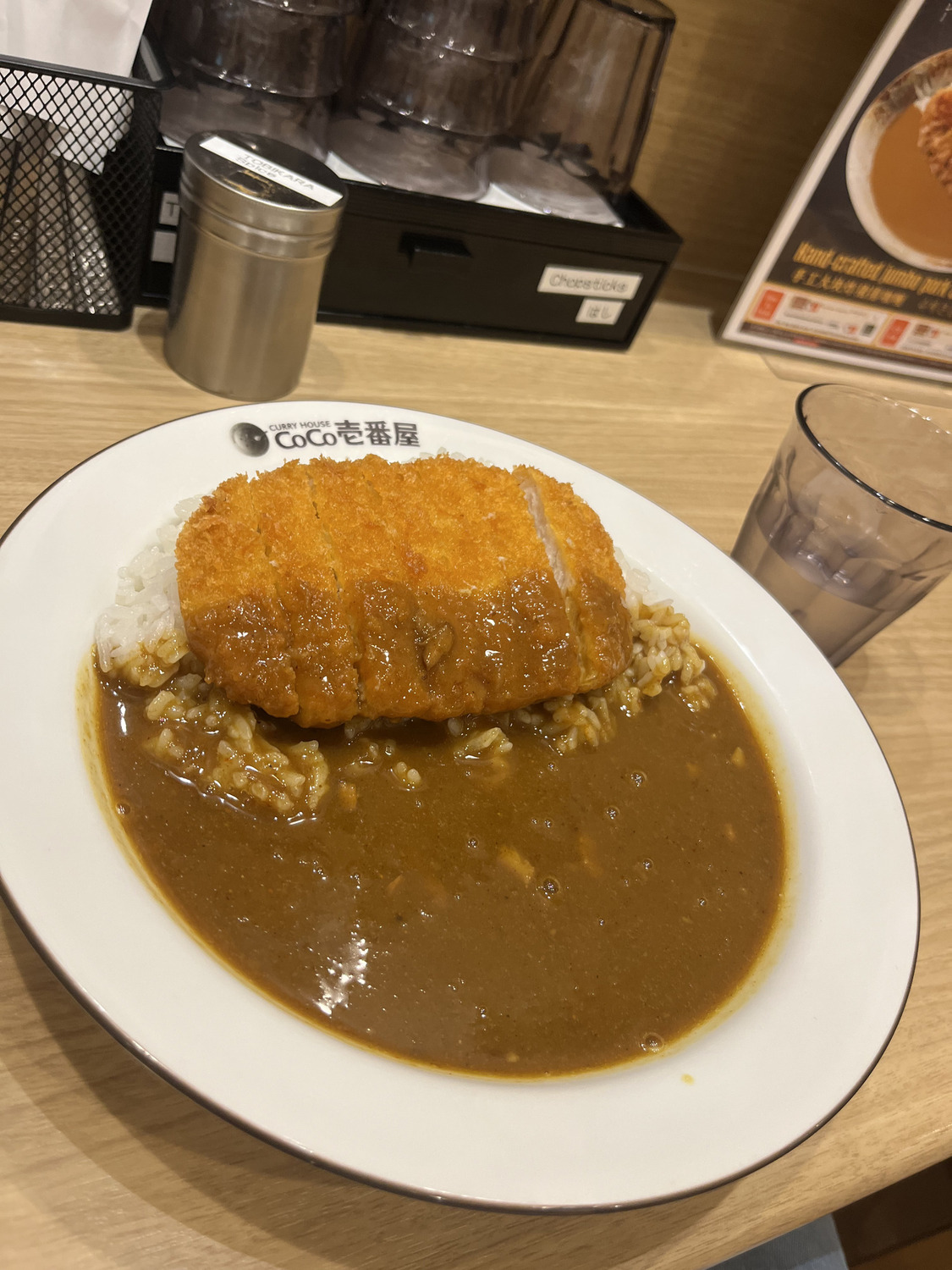
I bought curry paste from this store and from other stores as well to make it myself at home. 🍛
Pancakes
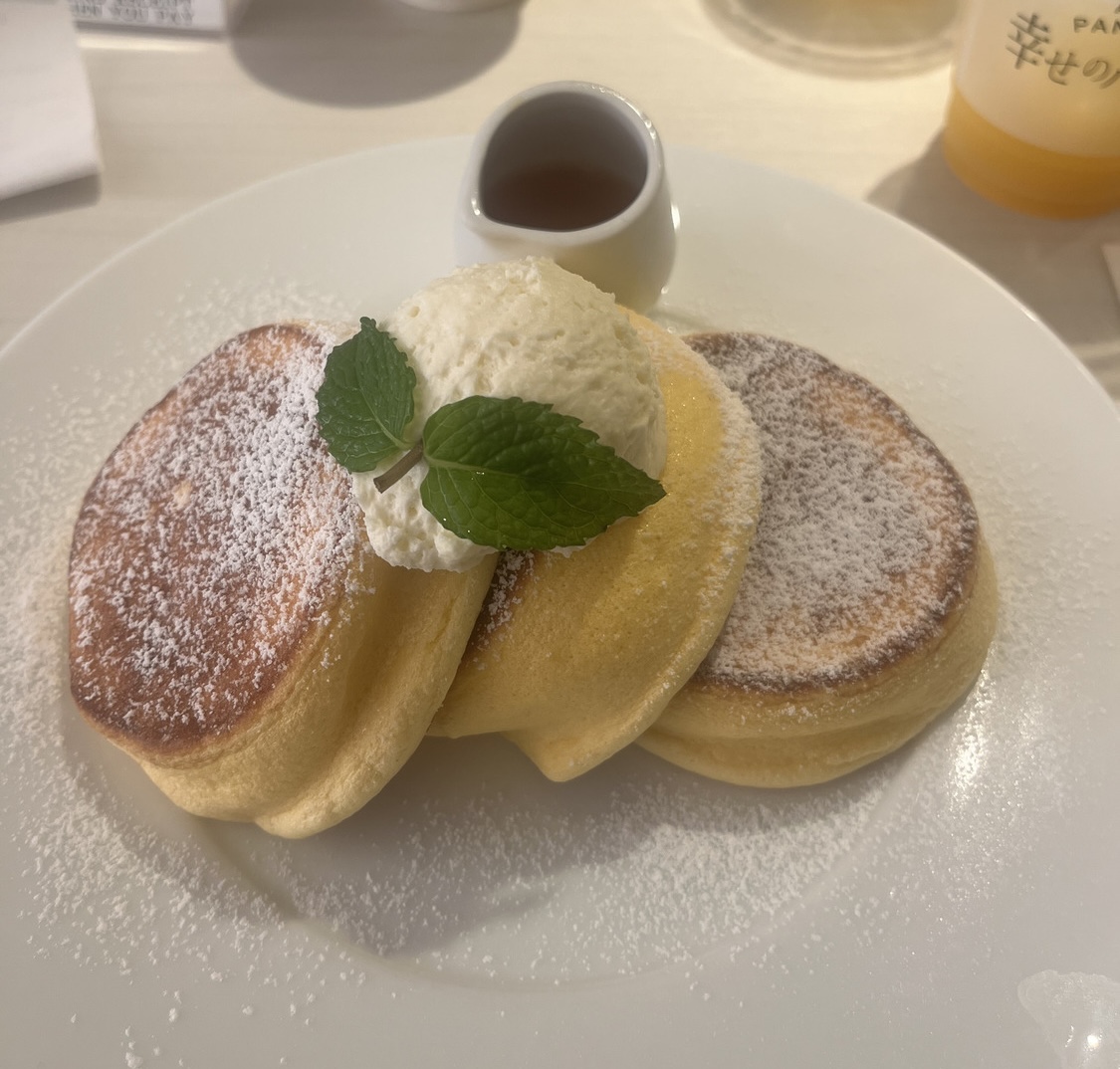
Japanese pancakes are famous for their fluffiness. We went to a pancake place called Happy Pancake, where we luckily did not have to wait in line outside the restaurant, but after ordering it took quite a while, around 40 minutes until we got the pancakes.
The wait was worth it. The pancakes were extremely light and very eggy, which I strongly prefer over the more flour-based American style pancakes.
On top there was some kind of butter, which I only used some of. Overall, I would rate these pancakes a 9 out of 10.
Tokyo
We explored Tokyo quite a bit in different city areas like Shibuya, Shinjuku, Akihabara, and Ginza, and also visited some temples. Below are some of my favorites from this trip.
Tsukiji Outer Market
The fish market is located where the main wholesale fish market used to be. The wholesale market, which has the fish auctions at 3 a.m. for big restaurants, has already moved to another place, while the outer market remains as a primary tourist attraction.
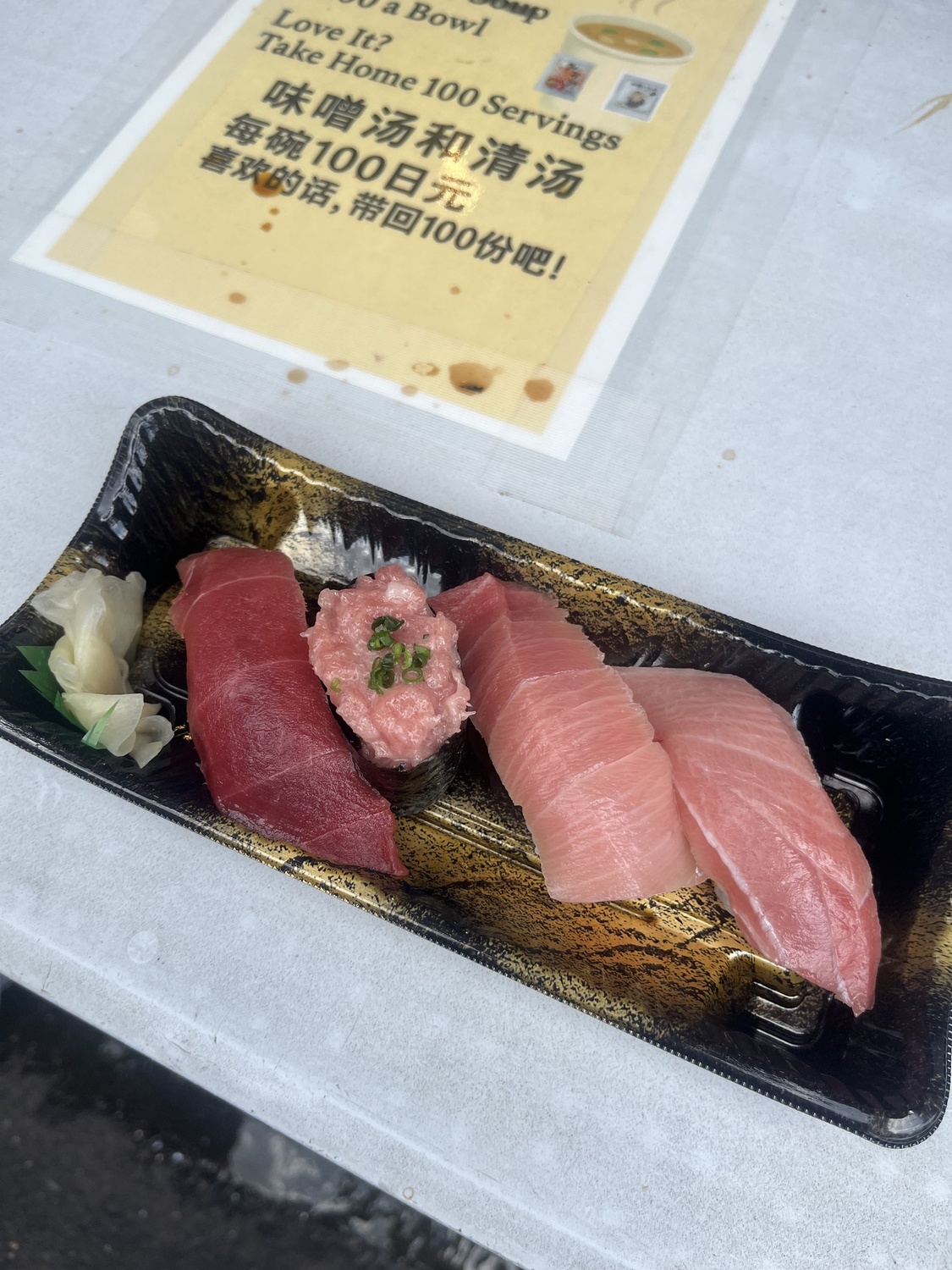
The market is still one of my favorite parts of Tokyo, as the quality of the fish is incredibly high for a very decent price.
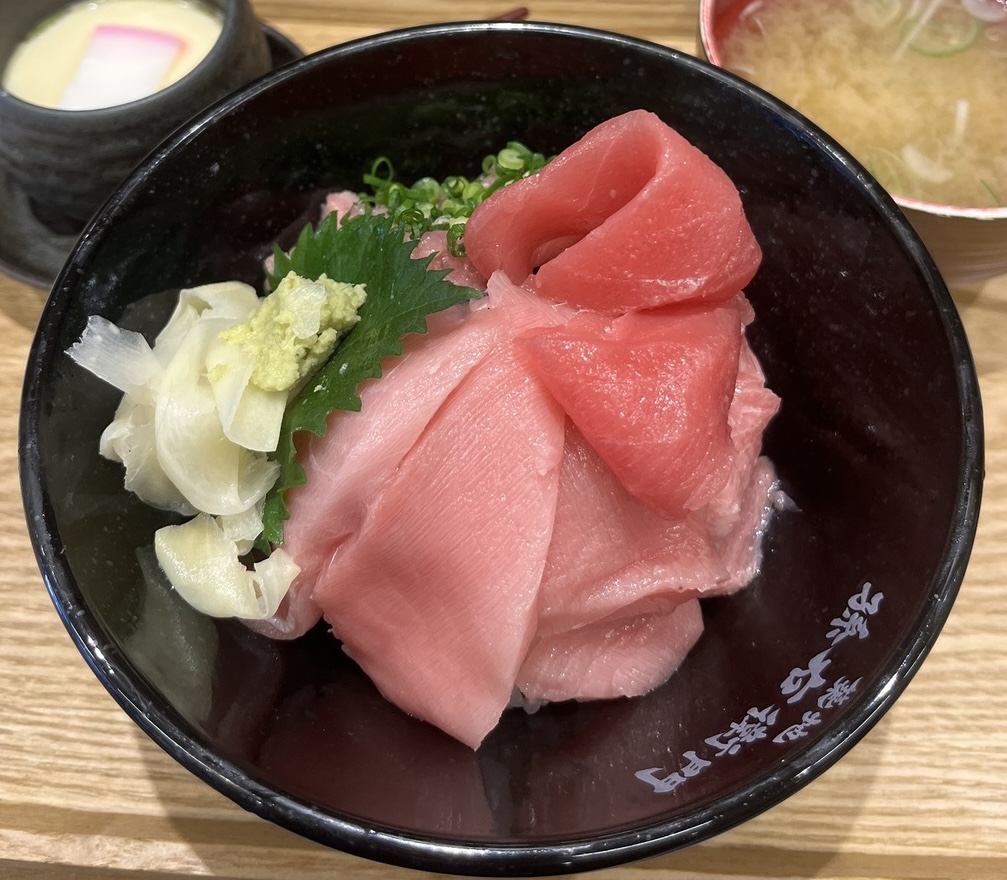
Tuna sushi set with different tunas from less fatty to more fatty, including bluefin tuna, the most high-end tuna available.
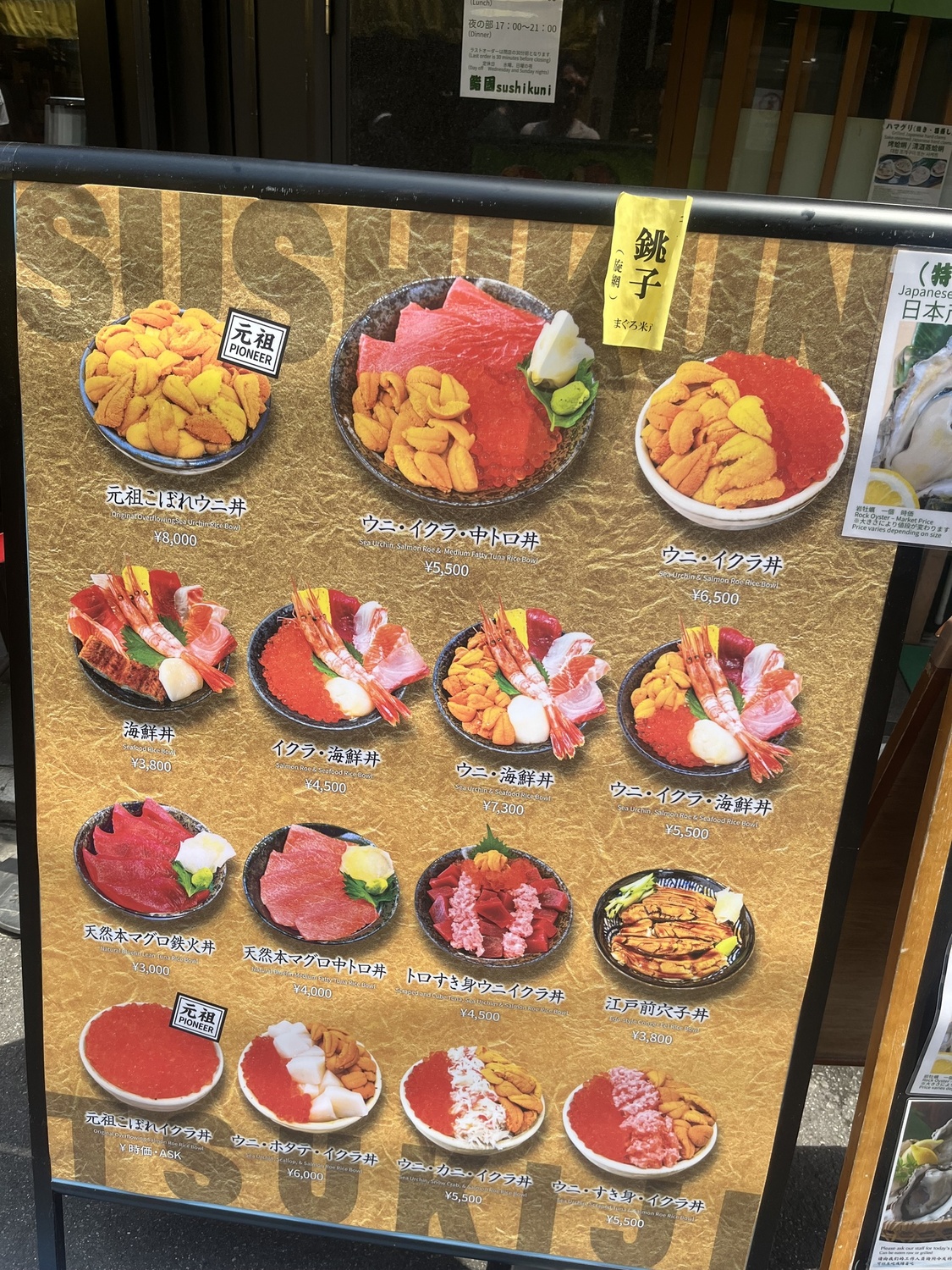
On the last day, I actually went back in the morning and ate another tuna rice bowl.
Borderless
Teamlab Borderless is an art exhibition I had known about previously but never thought about going to. My friend booked a ticket for us, and I’m very glad we went. There are many different rooms that are designed using projector lights projected onto the walls, which is very trippy. My favorite room was this one where lights were hung from the ceiling and combined with lots of mirrors. The lights were synchronized and changed, giving a very cosmic effect.
Take a look at the video below.
Tokyo Tower
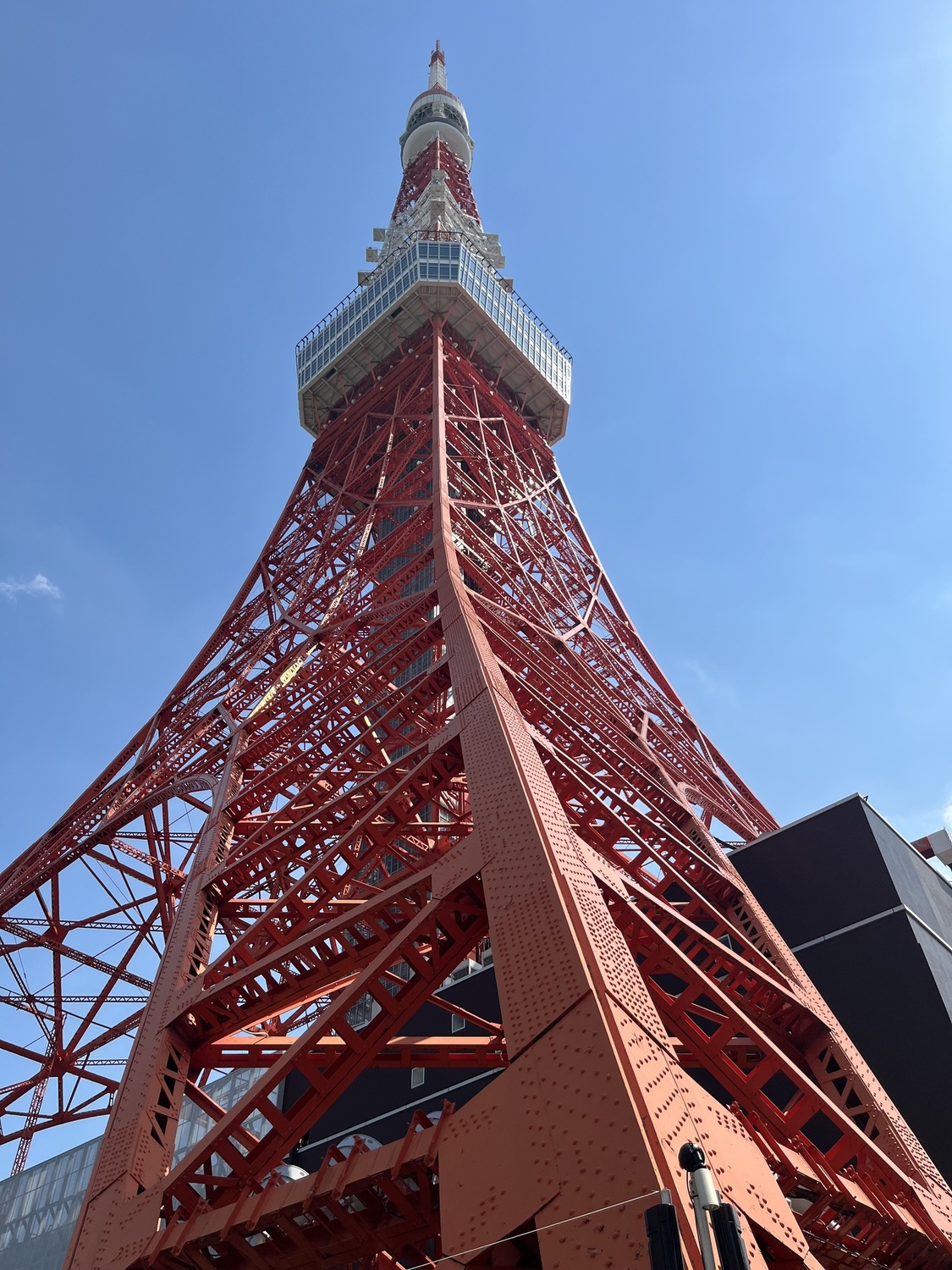
We passed by Tokyo Tower while walking around this area. The tower actually has a very beautiful park right below it where we sat down and I ate matcha ice cream.
Skytree
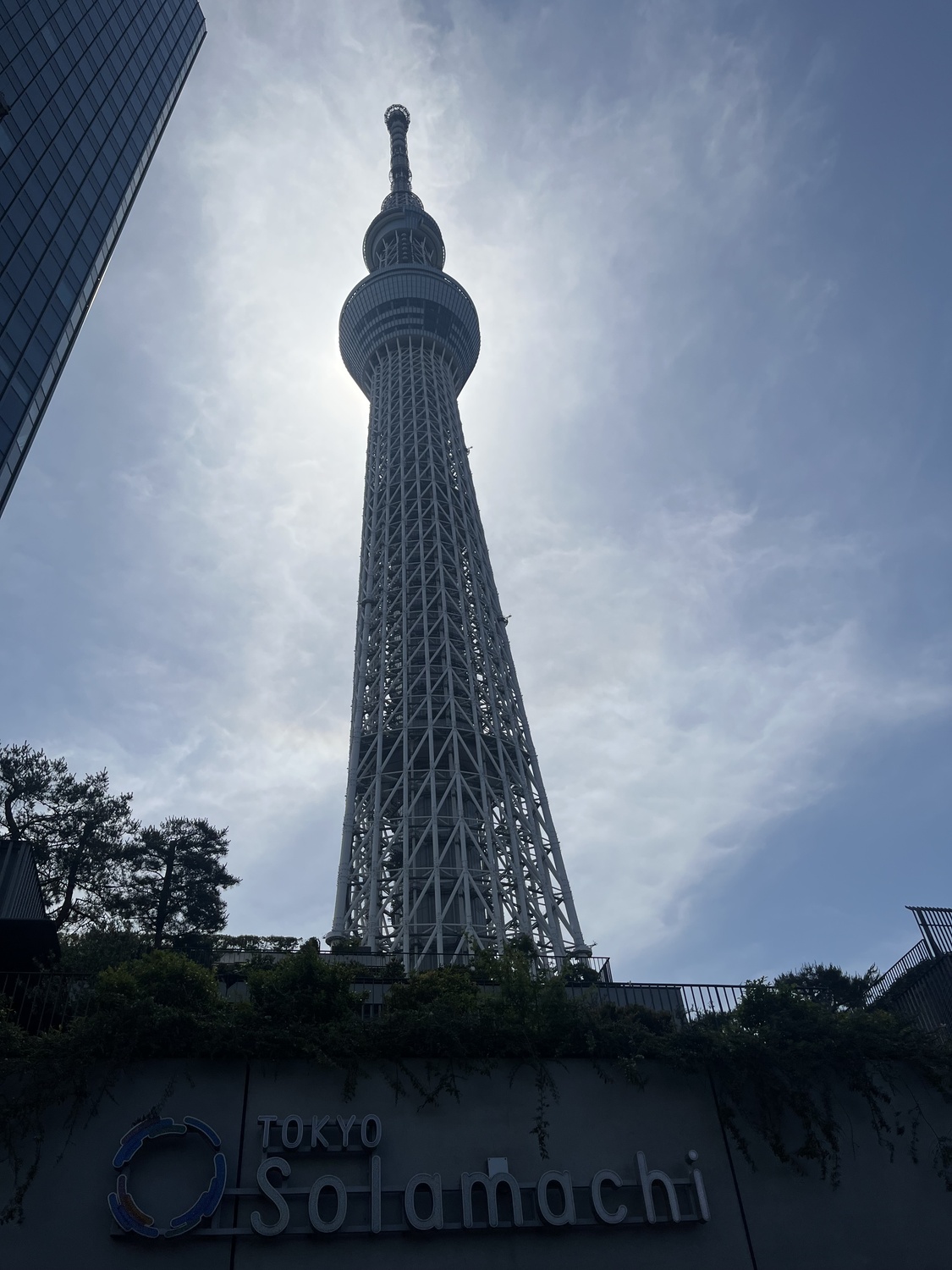
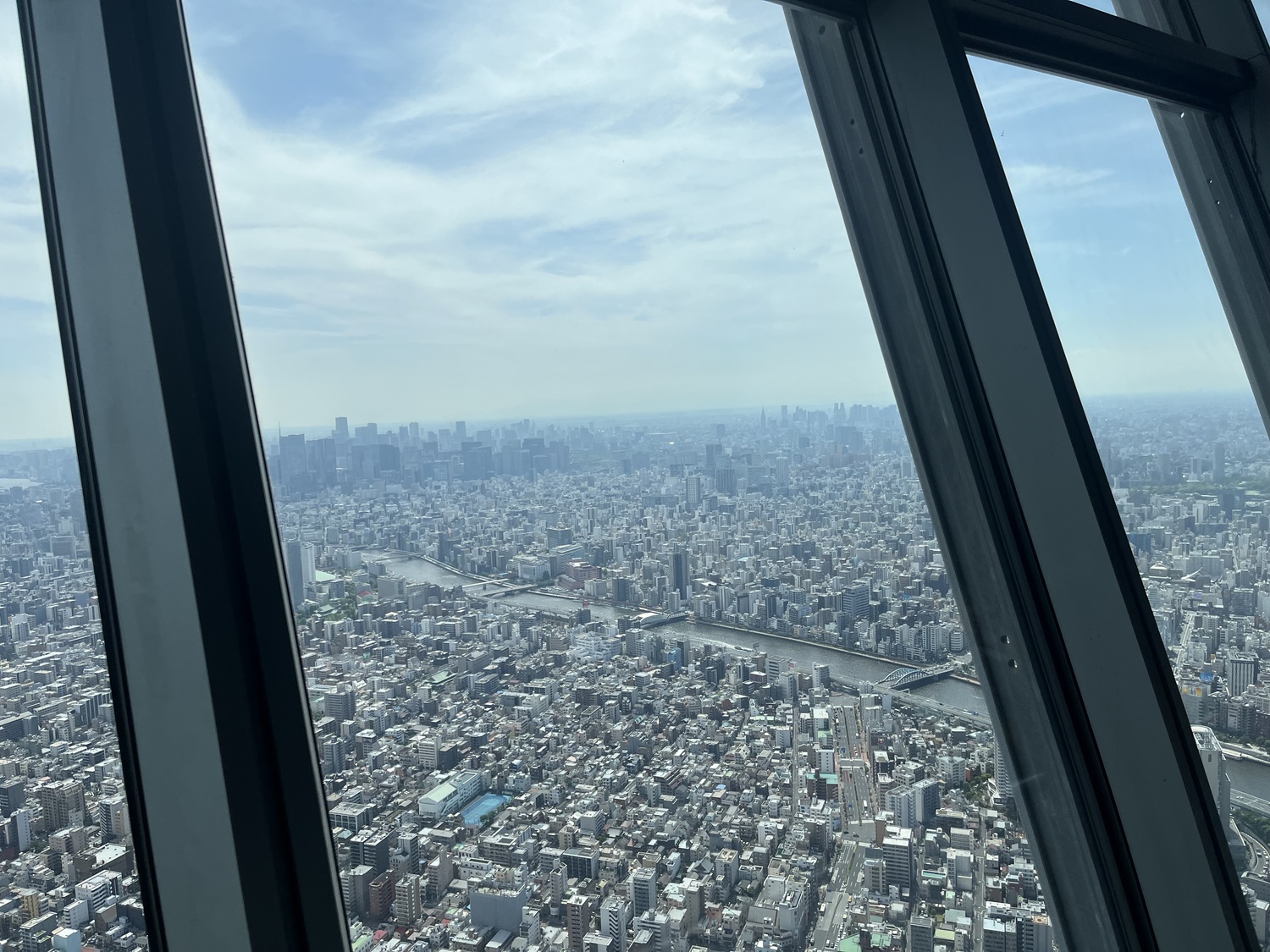
We went to the Tokyo Skytree and bought a ticket to ride the elevators up to the first observation deck, which is around 300 meters high. It has great views of the city. However, on this day it was already quite humid and we couldn’t see very far, so Mount Fuji was not visible from the Skytree.
At this kind of altitude, I’m quite scared of the height and I’m always happy to go back down as fast as possible.
View from the observation deck.
Travel to Osaka
I was able to buy the train tickets online in advance for about 75 CHF per person one way, which I think is a very fair price for a 2.5 hour high-speed train ride.
The ticket gates to the Shinkansen are next level confusing, as you have to scan your QR code and your IC card at the same time. Every tourist was confused. Luckily we had time to ask for assistance, and they were happy to help us through the gates.
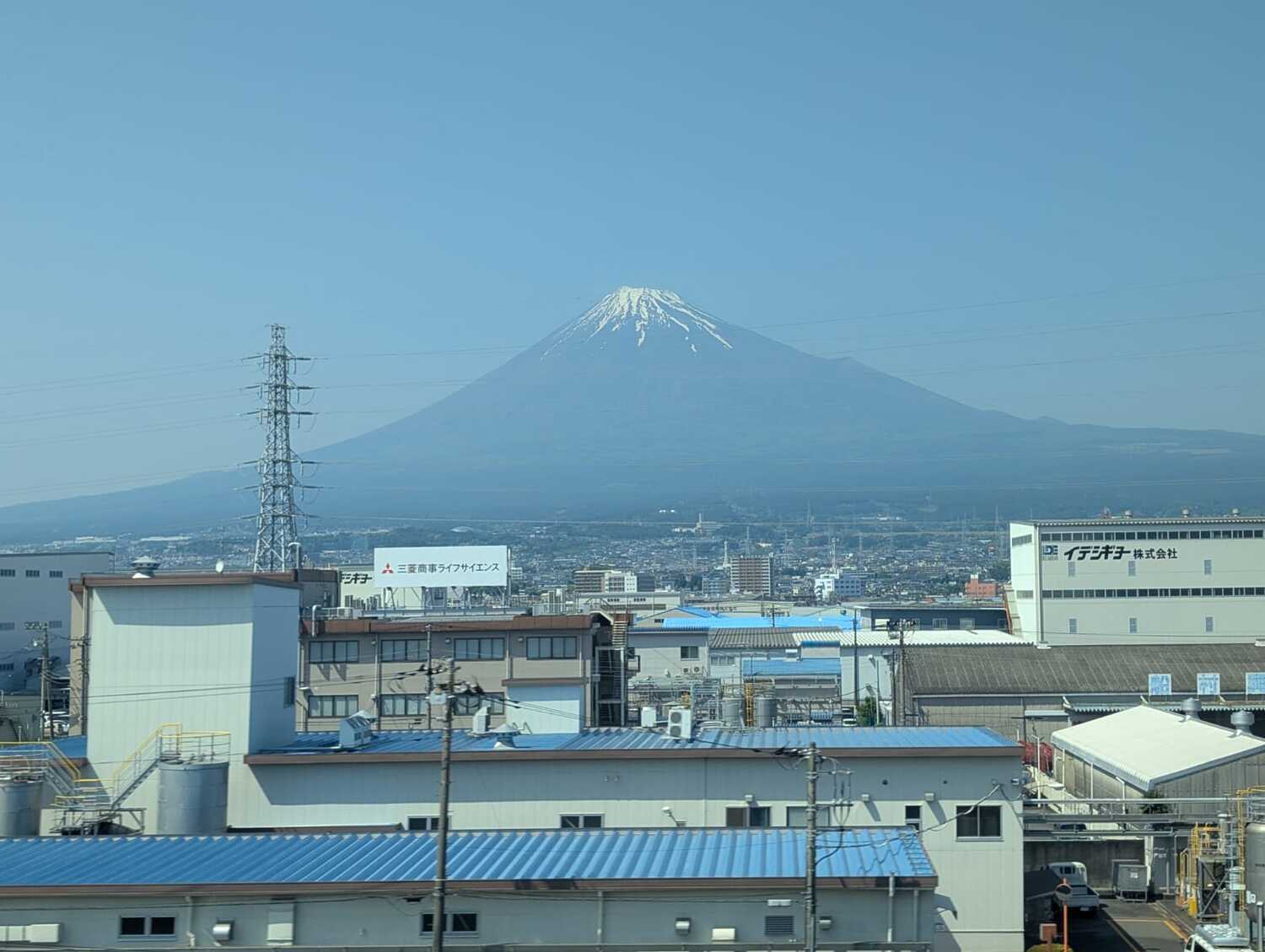
From Tokyo to Osaka, there is a view of Mount Fuji, which most of the year is not actually visible due to the high humidity in the air that blocks visibility of far-out objects. However, on the way back, we actually got to see Mount Fuji from the train.
Osaka
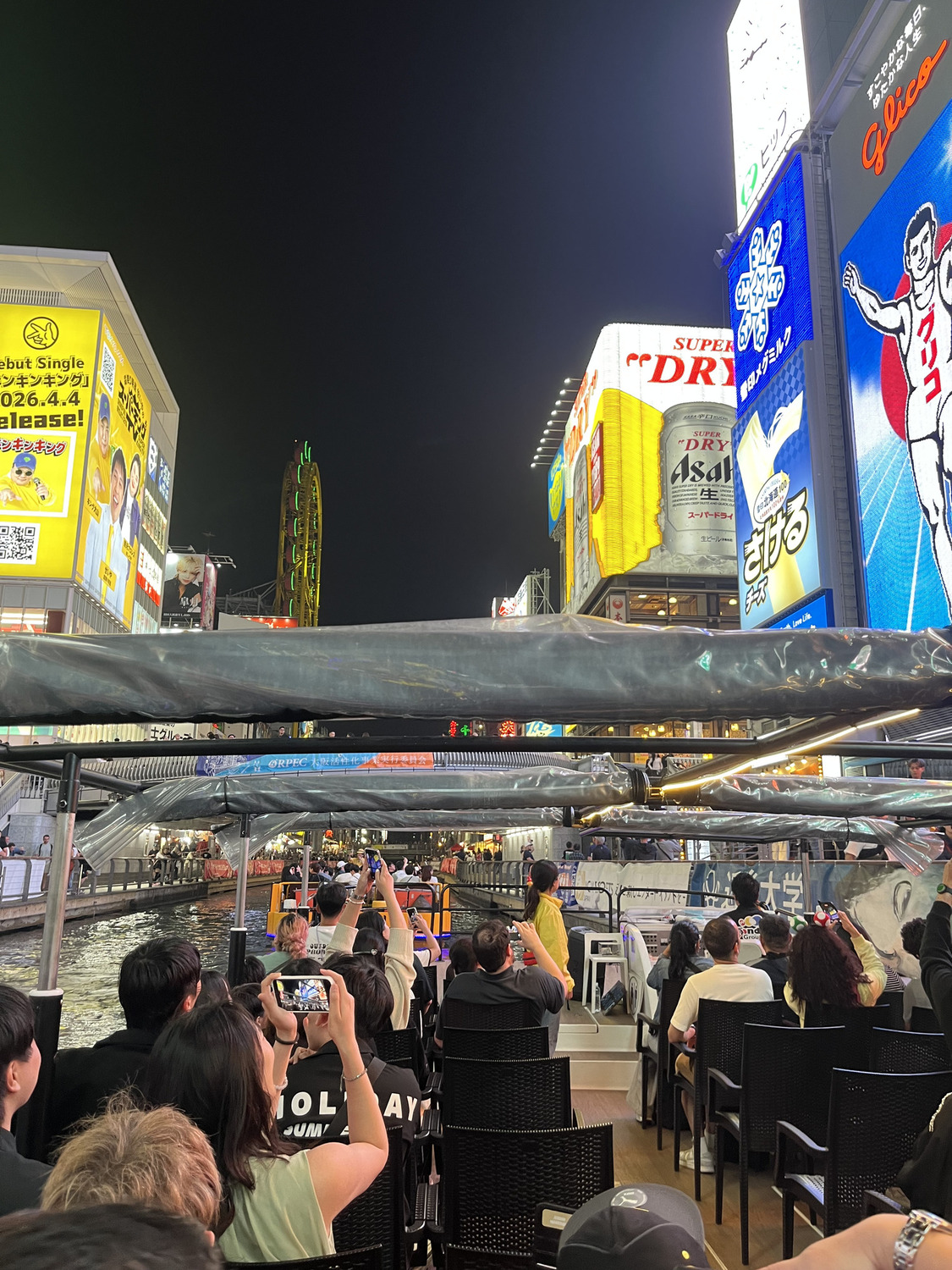
We arrived in Osaka on a Friday and stayed in the tourist area called Dotonbori. It’s very lively with lots of small food stores and street food. There’s also a lot of high-end shopping.
The city reminds me a bit of Amsterdam as it has some canals. At night, we took a small boat tour which only went up and down the canal for 10 to 20 minutes, but we were allowed to bring our own beer.
Osaka Castle
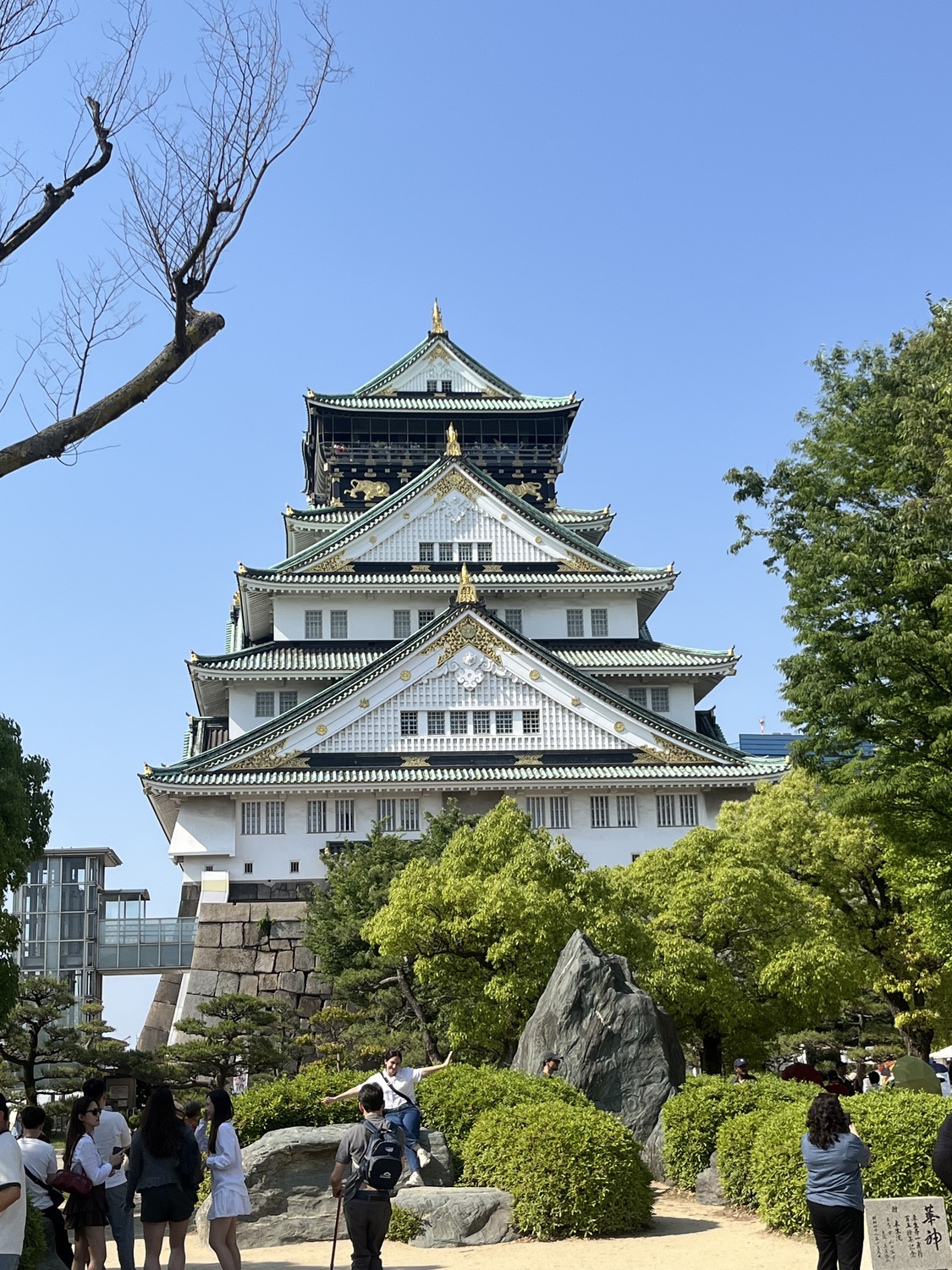
Osaka Castle is one of the most famous landmarks in Osaka. The castle was built in the 16th century and it was destroyed and rebuilt several times.
Lots of tourist, as seen in the picture.
Izakaya
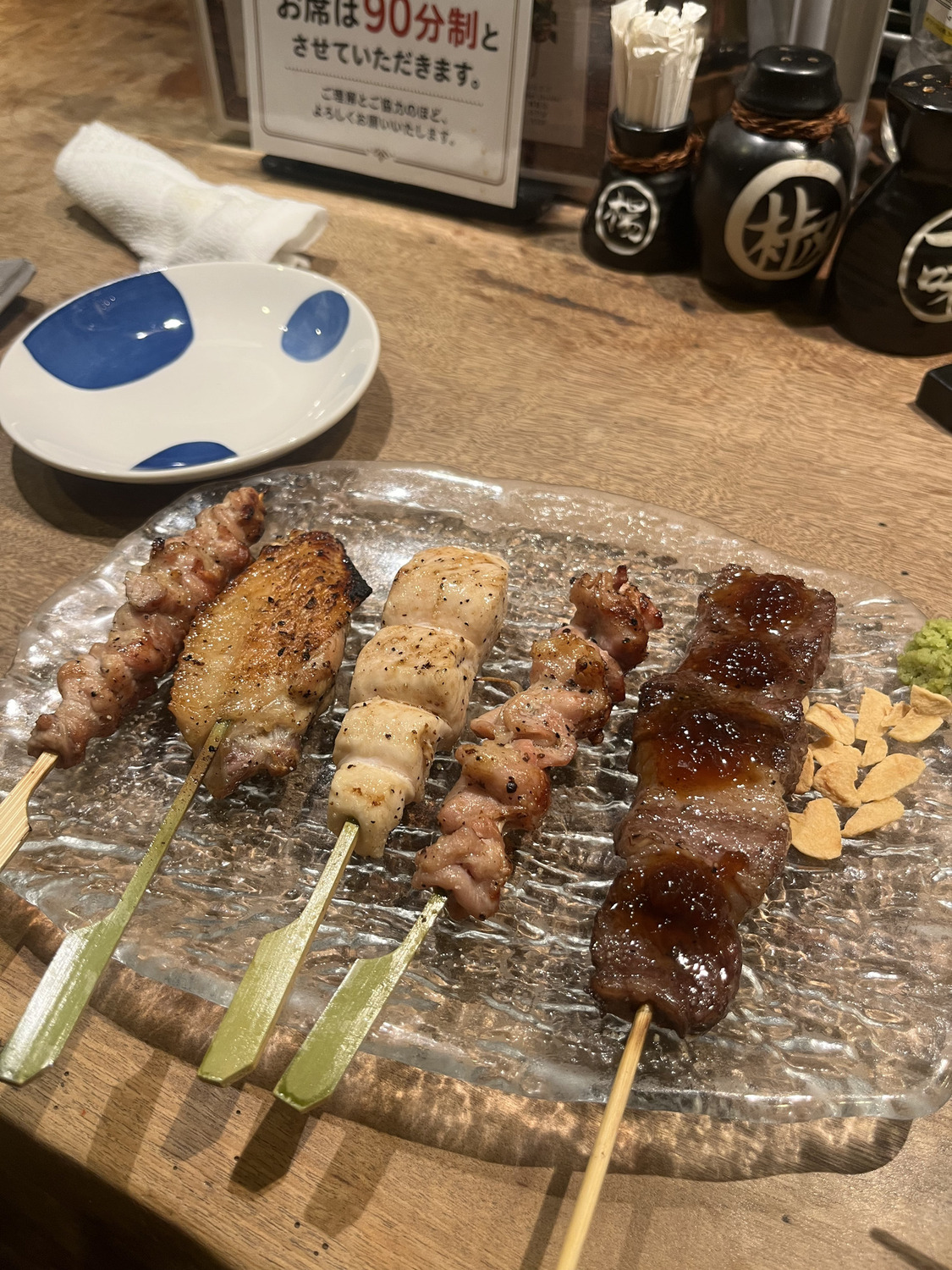
One of my favorite activities to do in Japan is to go to an Izakaya, which is basically a restaurant and a bar in one. Some of the more tourist focused ones have QR codes on the tables where you can order drinks and food. The atmosphere is very lively and you can stay there for many hours ordering different foods and drinking.
Here are two recommendations for Izakayas in Osaka:
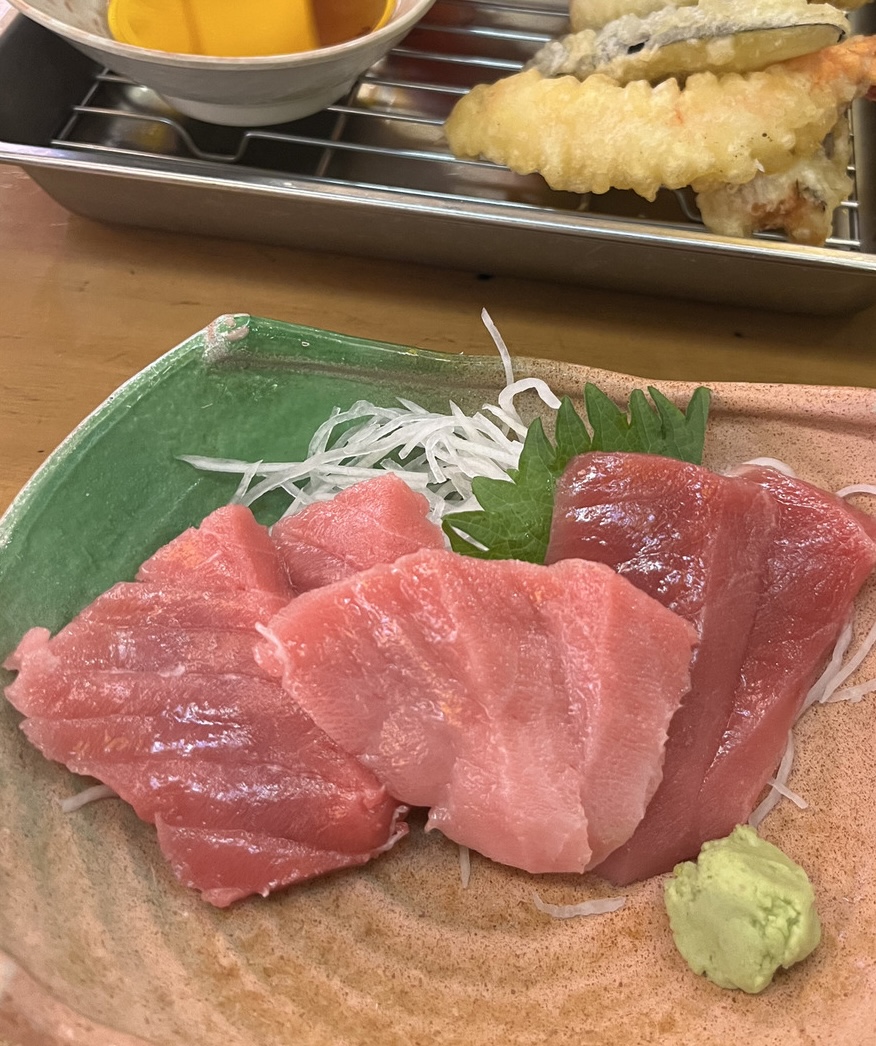
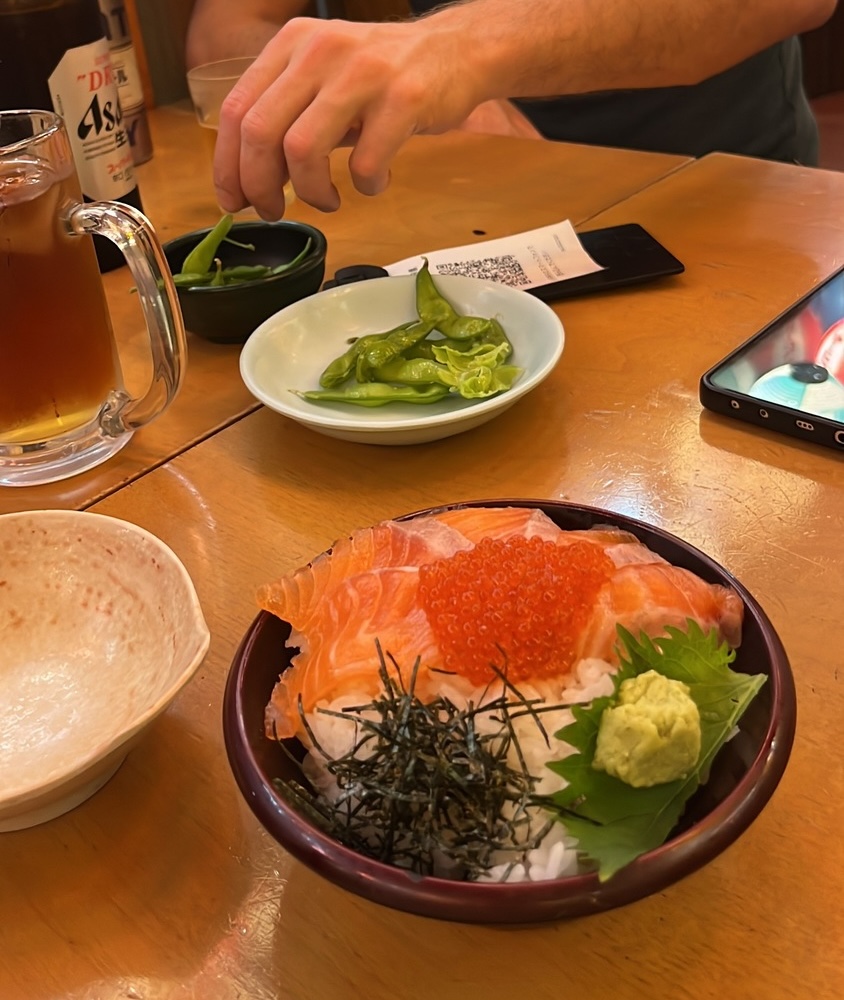
Sennichimae Maguro Center focused on seafood, lots of options.
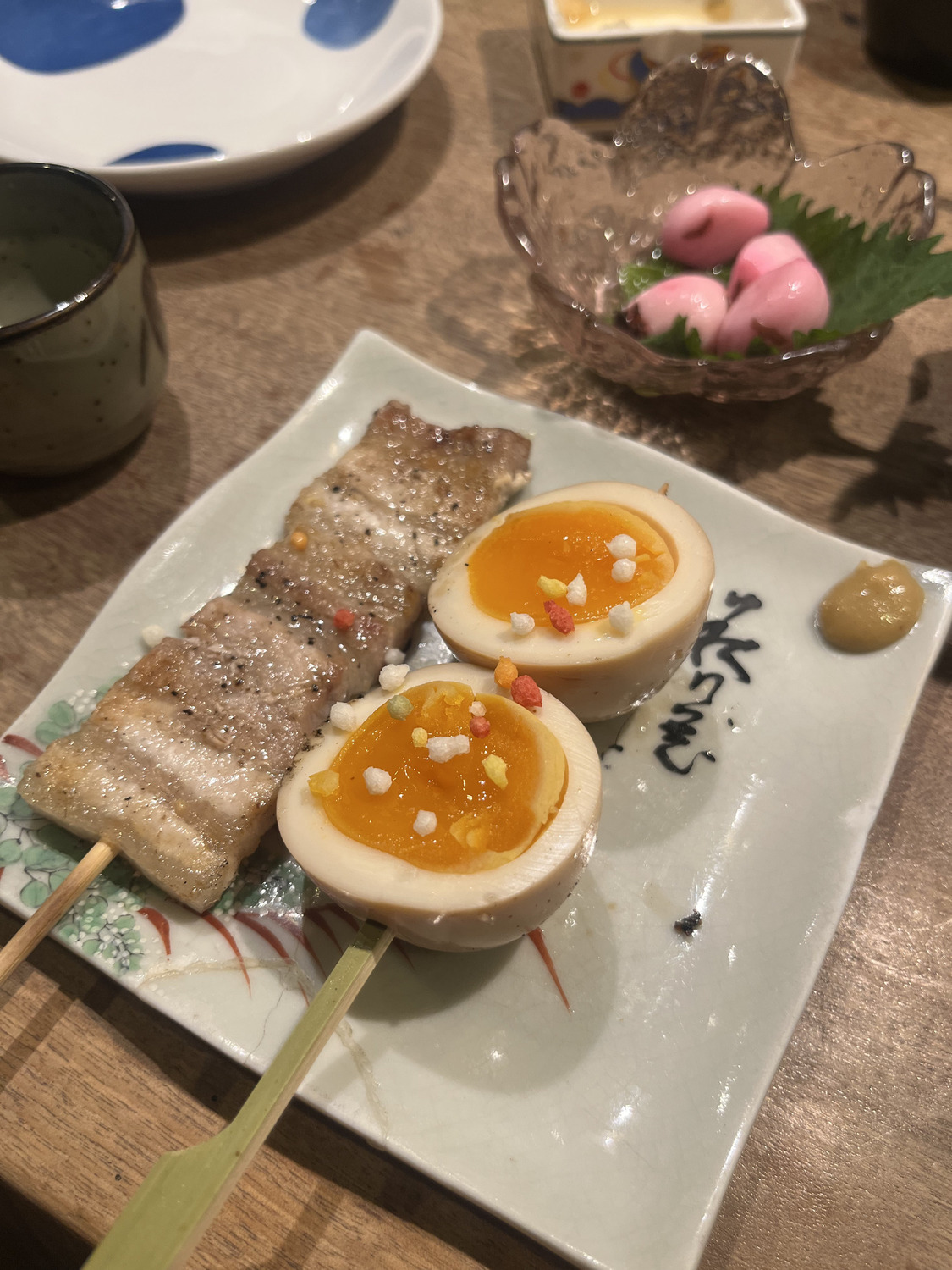
Sumibi Yakitori Ainosuke focused on yakitori, which is grilled meat sticks. There were all kinds of different parts of the animals, like tongue, heart, liver, skin etc.
Kuromon Market
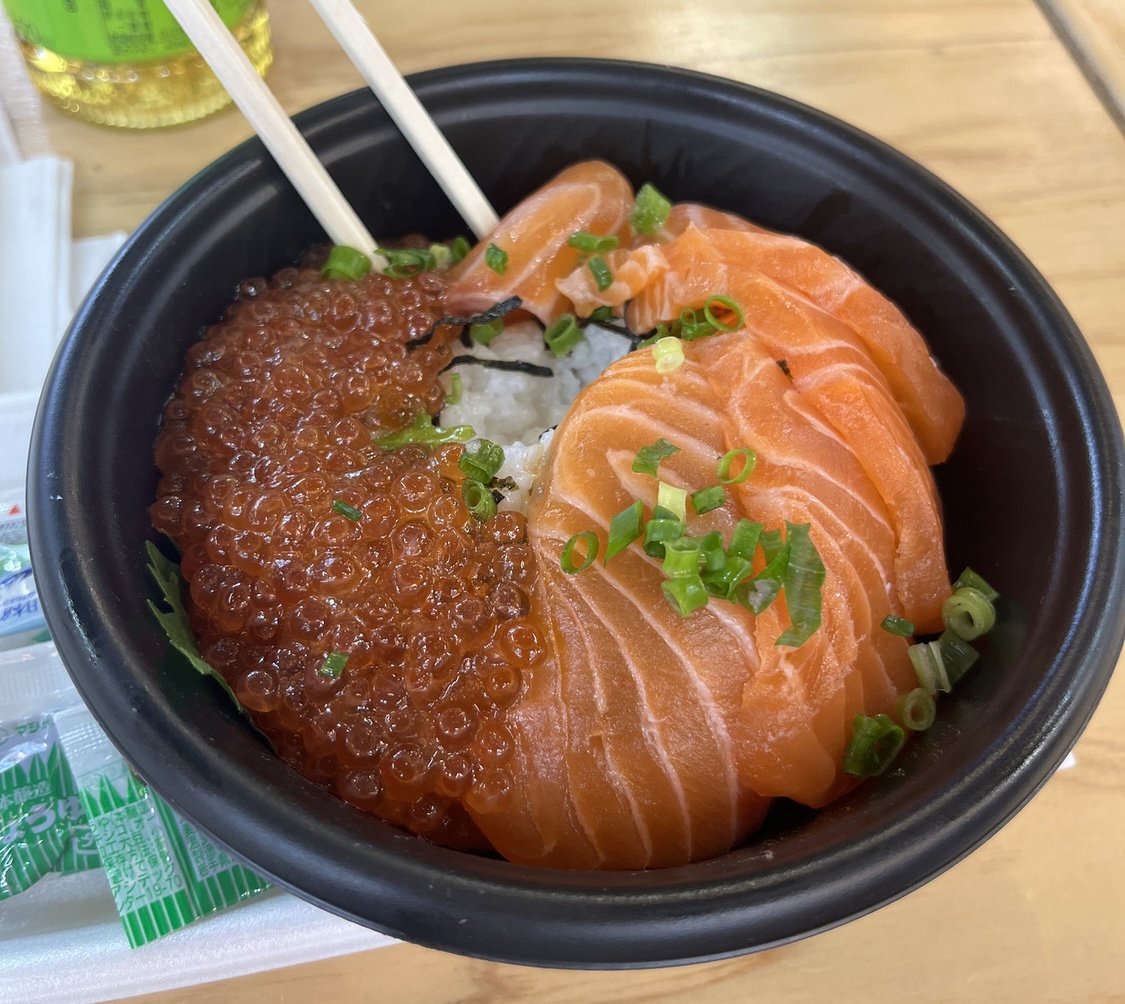
Osaka also has a fish market, which is very tourist focused, but there are many different fresh seafood options available.
I had one of my favorite bowls, a salmon and roe bowl served on top of warm sushi rice. Absolutely delicious.
Kobe
During our stay in Osaka, we planned a day trip to Kobe, which is located right to the left of Osaka and only around a half hour train ride away.
We went on a Sunday, and the weather was absolutely perfect, around 28 degrees and sunny, almost a little bit too hot.
I had researched some restaurants to eat Kobe beef and found a butcher called Nikuten located in the basement of a shopping mall. We arrived there around noon, and there was already a line of around 20 people waiting for a seat at the small counter of the butcher. We decided not to stand in line and come back later. When we came back, sadly there was a sign that the butcher was out of meat for the day, which was quite strange, actually, because the whole basement floor was full of meat that was still available for purchase.
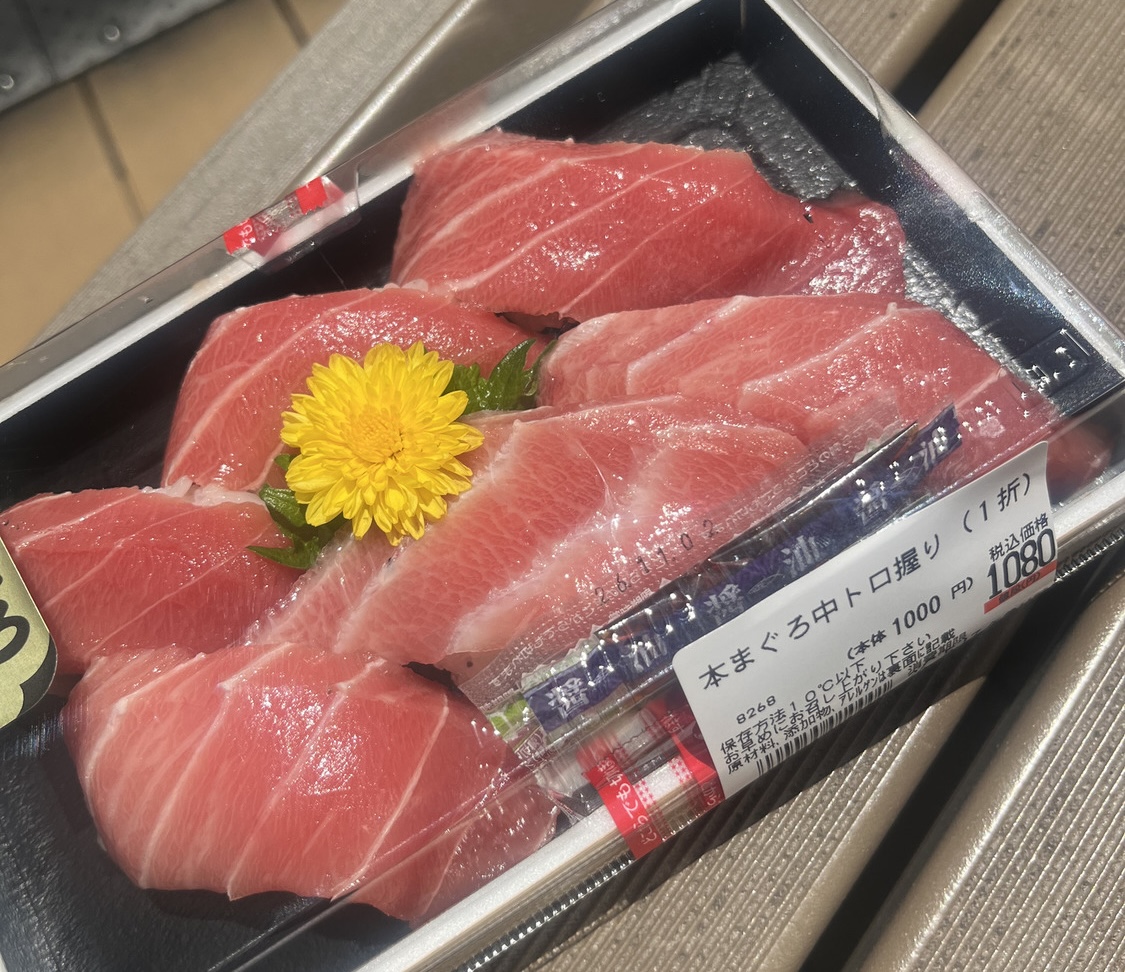
However, the basement was actually one of the most incredible supermarkets for fresh fish and meat I’ve ever seen. The variety of packaged sushi and sashimi was simply incredible.
I decided to pick up some fatty tuna sushi to eat before we explored Kobe further. The tuna was very fresh and had an incredible flavor. 6 pieces for 5 CHF. I would eat this every day.
We found a gondola lift that goes up the mountain. The gondola ride takes around 10 minutes and costs around 15 CHF for a round trip. There was the option to only pay one way or for a round trip. We decided to go with the round trip, but we actually ended up hiking back down the mountain, which was a very nice experience.
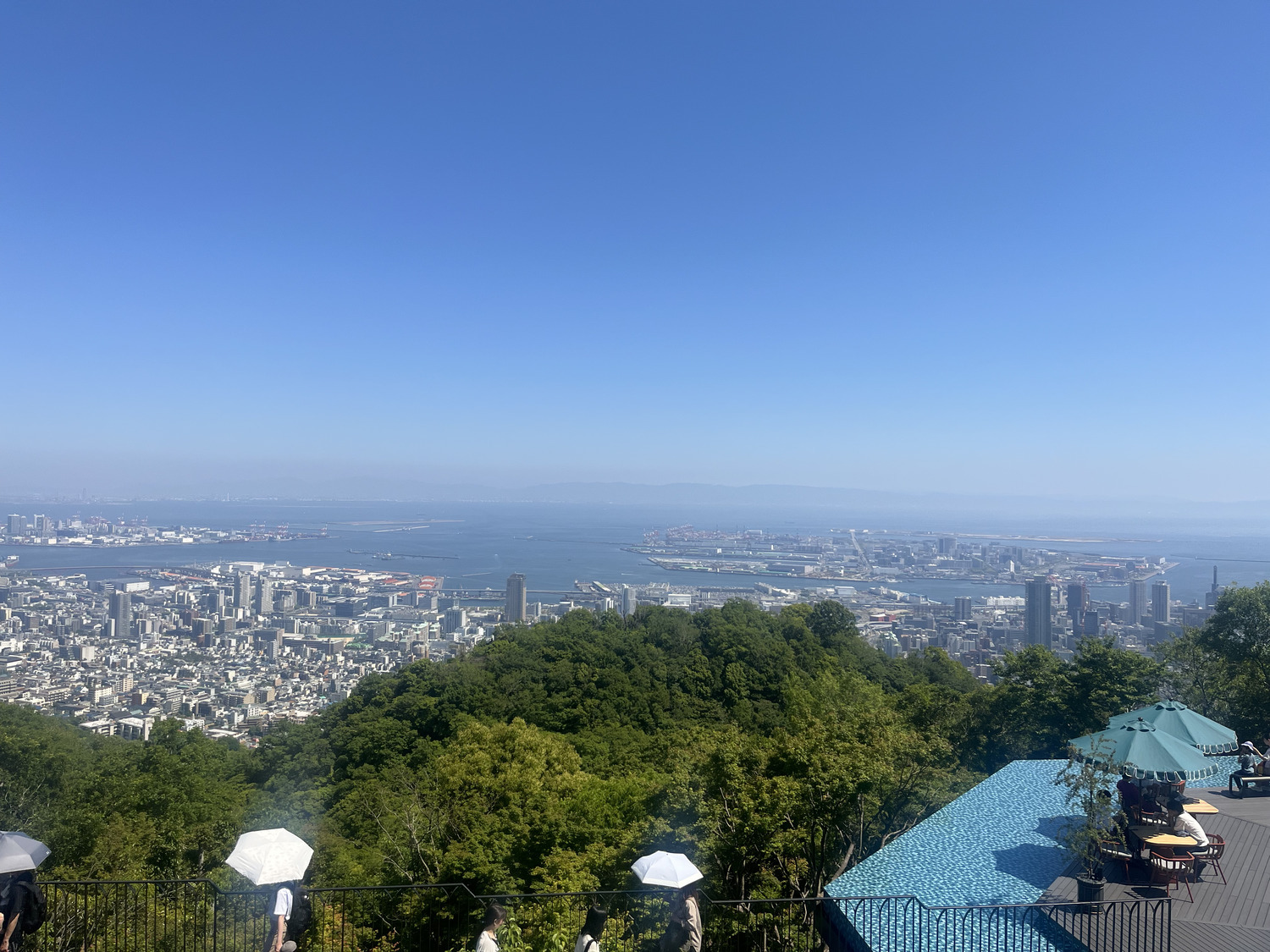
There was a garden with all kinds of flowers and herbs which you could walk down through, and then arrive at the observation deck which had a nice bar and water islands.
Beef
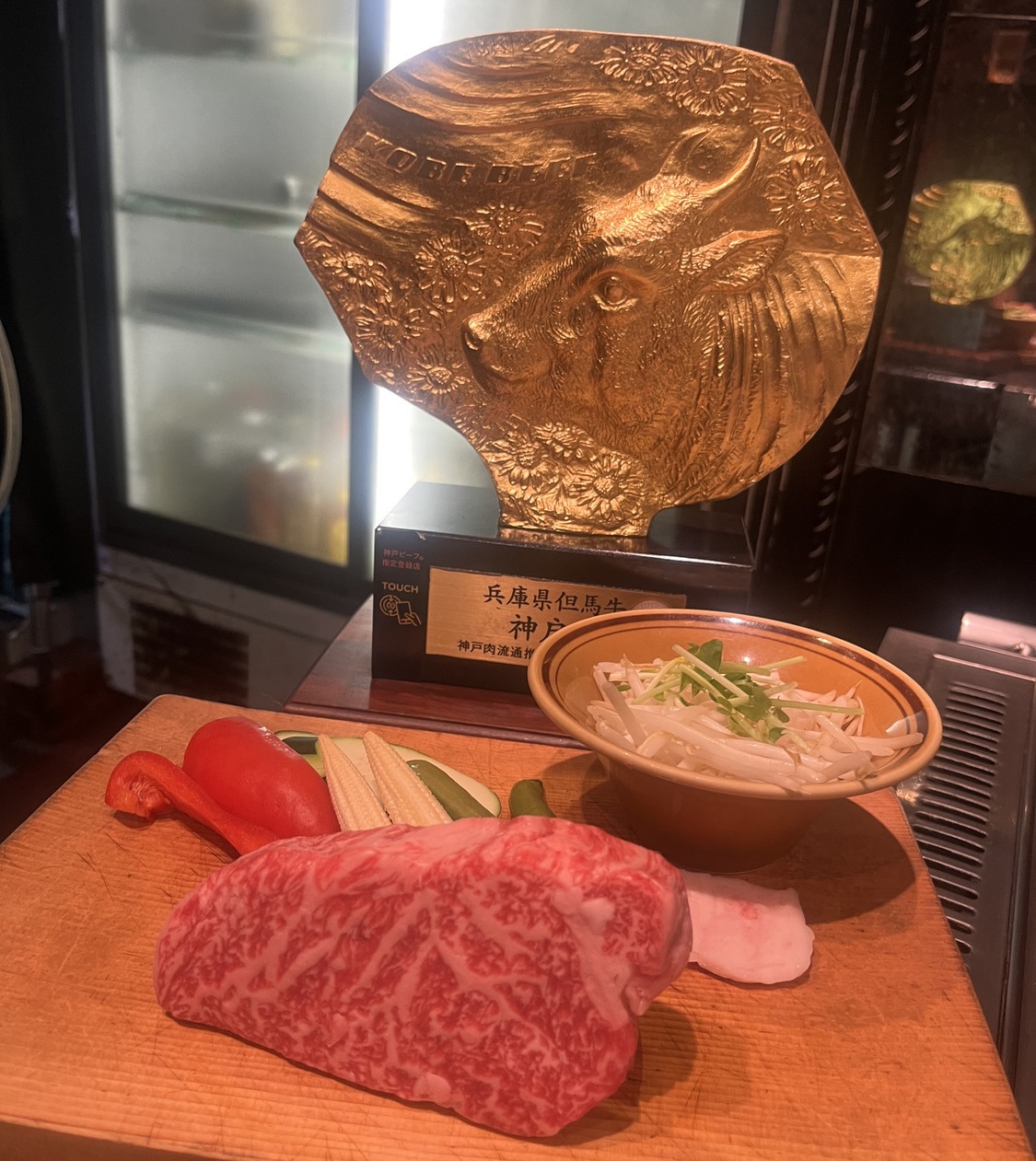
As we were in Kobe, we certainly had to find some local Kobe beef. Since the butcher had already run out of meat, we searched for another place and found a teppanyaki-style restaurant that offered Kobe beef.
Kobe beef, as the name says, comes from the Kobe area and is a very high-end type of meat known for its marbling and tenderness. The other famous type of meat people know is wagyu beef. What we learned is that wagyu beef just stands for Japanese beef, but only Kobe beef comes from a specific region in Japan.
There is a very strict standard for which kind of meat can be called Kobe beef. There are also gradings from A1 to A5.
We ordered one of the best cuts, which was quite expensive, 120 grams for around 75 CHF, but it was absolutely worth it.
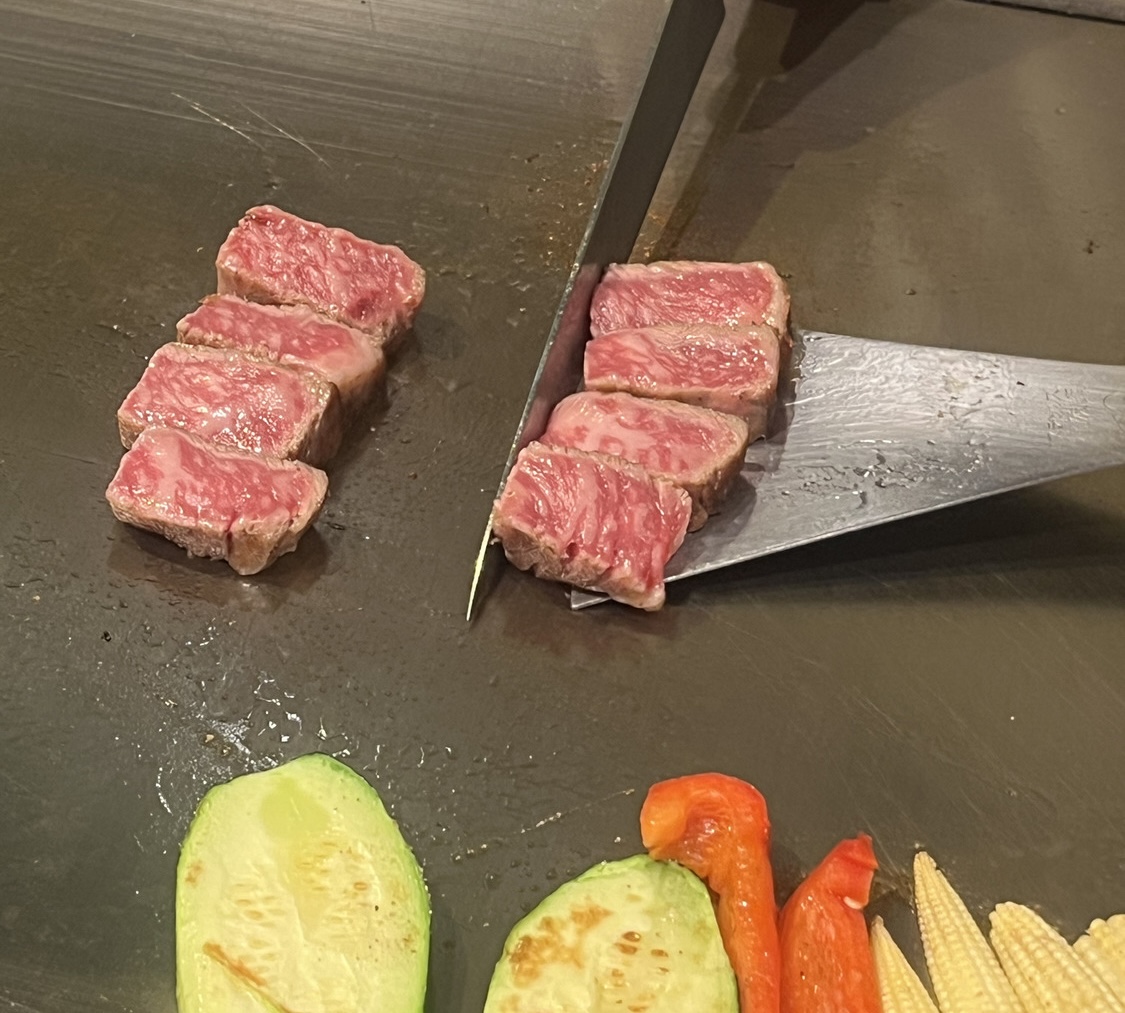
The chef cooked the meat on the teppanyaki grill right in front of us. The meat was so tender and had such a rich flavor that it melted in our mouths.
Walking
I was excited that my friend has the same walking pace as me, which is a very fast walking pace, to say the least. So we were able to navigate cities and stations very efficiently.
We consistently arrived in half the time Google Maps estimates. So if it says 20 minutes, we can do it in 10 minutes.
We walked on average over 21,000 steps a day, and this for ten days straight. At the end of the trip, my feet started to hurt a little bit, but it was overall manageable.
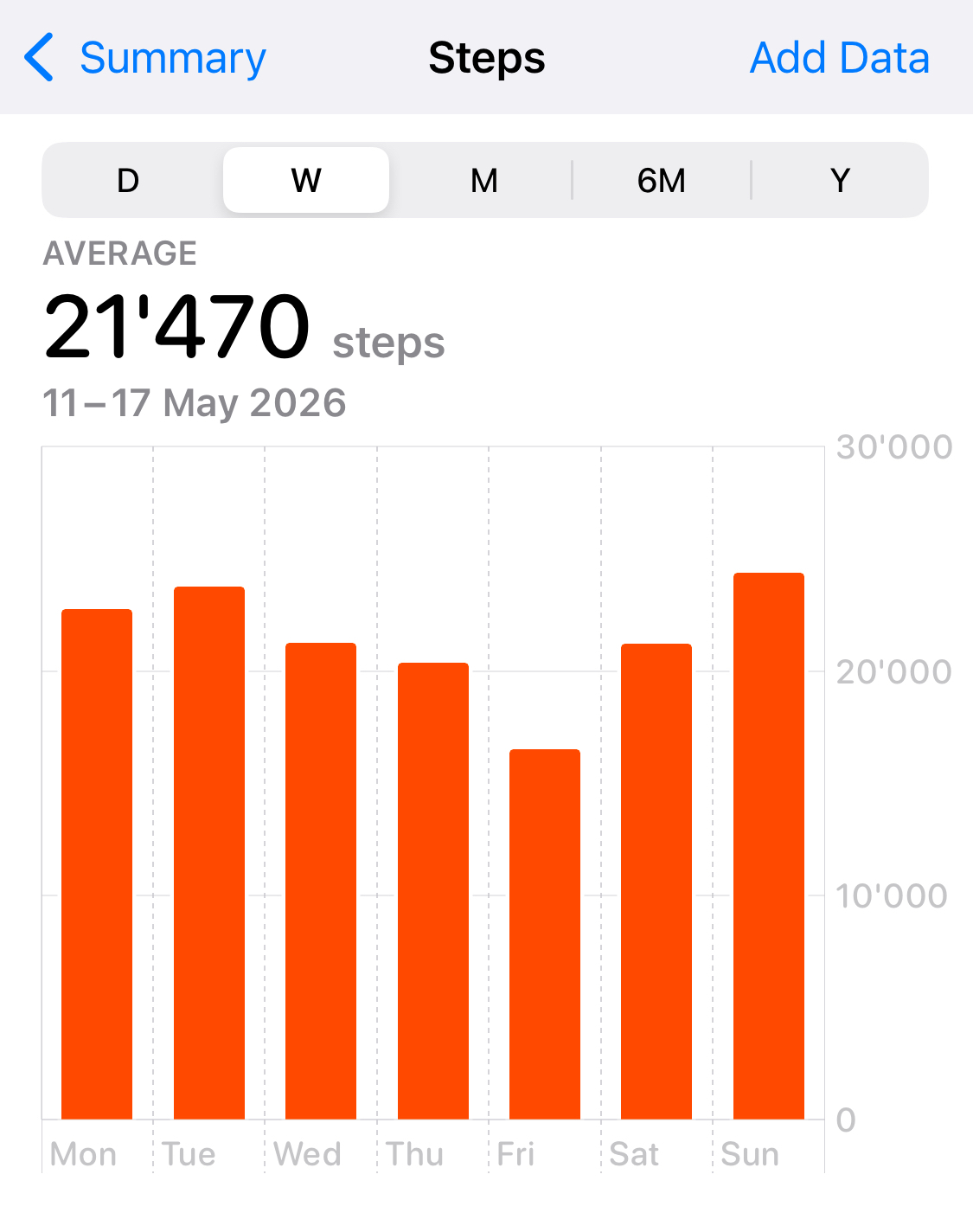
When walking this much, the biggest benefit is that all the food we ate was most likely burned off. I’m not sure about the beers, but the food definitely.
Culture
Japanese culture is very different from the European and Latin cultures I’m used to. Most people are very respectful, but in general closed off to tourists. Also, the level of English is still very low.
Most locals don’t speak English fluently. They might know some words, or understand it, but they don’t like speaking it. We went to some bars where we talked with some locals, but no bigger connection was made with any local people.
However, if you speak Japanese, which I don’t, there are thousands of small bars all over Tokyo where people go out after their workday during the week to enjoy drinking and talking with other local Japanese people.
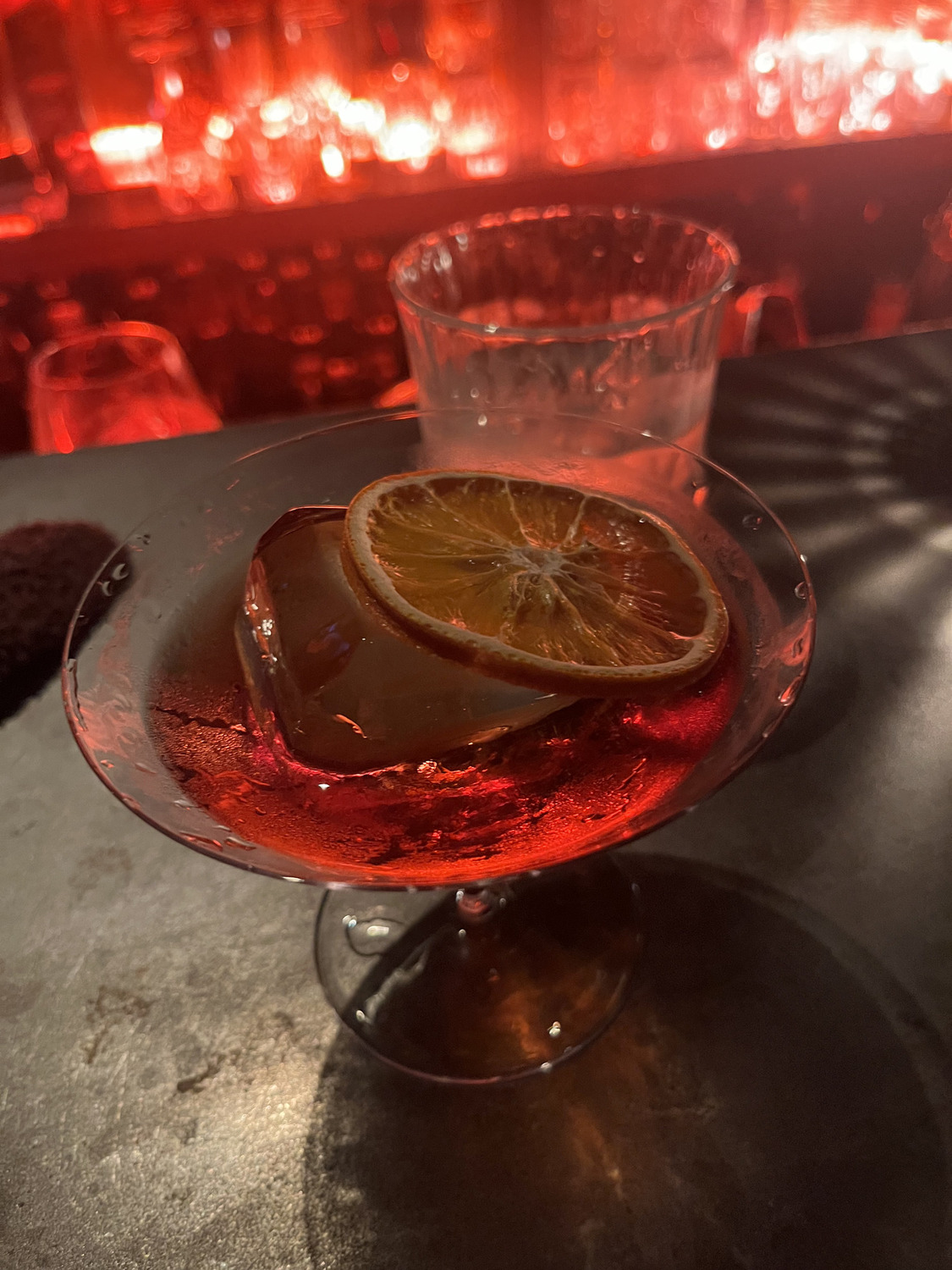
To close it out, probably the best alcoholic drink I had: a Manhattan cocktail, from a cocktail bar in Ginza.
Verdict
Overall, this trip was an incredible experience. I was excited for it for months and everything went well. We ate amazing food and had a really fun time going out and exploring the cities.
The trip allowed me to disconnect from my work, which is something I almost never do.
I’m grateful I was able to walk as much as I did, use chopsticks with my left hand, and not experience any physical limitations.
Now I’m also happy to be back in my apartment, spending time with my girlfriend and looking forward to the next trip.